
What's inside
What's inside
 Key Ingredients
Benefits
Concerns
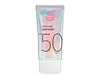
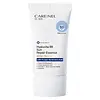
Ingredients Side-by-side
Water
Skin ConditioningHomosalate
Skin Conditioning

Ethylhexyl Salicylate
UV Absorber
Alcohol Denat.
Antimicrobial




Methyl Methacrylate
Methyl Methacrylate Crosspolymer
Dipropylene Glycol
HumectantButyl Methoxydibenzoylmethane
UV Absorber
Bis-Ethylhexyloxyphenol Methoxyphenyl Triazine
Skin Conditioning
Aloe Barbadensis Leaf Extract
Emollient


Isoamyl P-Methoxycinnamate
UV Absorber
Octocrylene
UV Absorber
Methoxy PEG/PPG-25/4 Dimethicone
Emulsifying
Butylene Glycol
Humectant
Caprylic/Capric Triglyceride
Masking
Dimethicone
Emollient
Caprylyl Glycol
Emollient
Parfum
Masking
Acrylates/C10-30 Alkyl Acrylate Crosspolymer
Emulsion StabilisingSodium Acrylate/Sodium Acryloyldimethyl Taurate Copolymer
Emulsion StabilisingEthylhexylglycerin
Skin ConditioningIsohexadecane
EmollientSodium Hydroxide
BufferingHexanediol
SolventDisodium EDTA
Sorbitan Sesquioleate
Emulsifying

Water, Homosalate, Ethylhexyl Salicylate, Alcohol Denat., Methyl Methacrylate, Methyl Methacrylate Crosspolymer, Dipropylene Glycol, Butyl Methoxydibenzoylmethane, Bis-Ethylhexyloxyphenol Methoxyphenyl Triazine, Aloe Barbadensis Leaf Extract, Isoamyl P-Methoxycinnamate, Octocrylene, Methoxy PEG/PPG-25/4 Dimethicone, Butylene Glycol, Caprylic/Capric Triglyceride, Dimethicone, Caprylyl Glycol, Parfum, Acrylates/C10-30 Alkyl Acrylate Crosspolymer, Sodium Acrylate/Sodium Acryloyldimethyl Taurate Copolymer, Ethylhexylglycerin, Isohexadecane, Sodium Hydroxide, Hexanediol, Disodium EDTA, Sorbitan Sesquioleate
Water
Skin ConditioningButylene Glycol
Humectant
Dibutyl Adipate
EmollientButyloctyl Salicylate
Skin Conditioning
Ethylhexyl Triazone
UV Absorber
Diethylamino Hydroxybenzoyl Hexyl Benzoate
UV Filter
Silica
Abrasive
Niacinamide
Smoothing








C12-15 Alkyl Benzoate
AntimicrobialDrometrizole Trisiloxane
UV Absorber
Methylene Bis-Benzotriazolyl Tetramethylbutylphenol
UV Filter
1,2-Hexanediol
Skin Conditioning
Bis-Ethylhexyloxyphenol Methoxyphenyl Triazine
Skin Conditioning
Propanediol
Solvent
Caprylyl Methicone
Skin Conditioning
Benzotriazolyl Dodecyl P-Cresol
UV AbsorberDicaprylyl Carbonate
EmollientDiethylhexyl 2,6-Naphthalate
EmollientCaprylic/Capric/Succinic Triglyceride
EmollientAmmonium Acryloyldimethyltaurate/Vp Copolymer
Decyl Glucoside
CleansingTromethamine
BufferingAcrylates/C10-30 Alkyl Acrylate Crosspolymer
Emulsion StabilisingHydroxypropyl Methylcellulose Stearoxy Ether
Sodium Stearoyl Glutamate
CleansingPanthenol
Skin Conditioning
Ethylhexylglycerin
Skin ConditioningAdenosine
Skin Conditioning
Glycerin
Humectant
Xanthan Gum
EmulsifyingTocopherol
Antioxidant

Xylitylglucoside
Humectant
Anhydroxylitol
Humectant
Xylitol
Humectant
Sodium Hyaluronate
Humectant
Houttuynia Cordata Extract
Skin Conditioning
Hydroxypropyltrimonium Hyaluronate
Sodium Acetylated Hyaluronate
Humectant
Hydrolyzed Hyaluronic Acid
Humectant
Hyaluronic Acid
Humectant
Sodium Hyaluronate Crosspolymer
Humectant
Hydrolyzed Sodium Hyaluronate
Skin Conditioning
Potassium Hyaluronate
Skin ConditioningParfum
Masking
Water, Butylene Glycol, Dibutyl Adipate, Butyloctyl Salicylate, Ethylhexyl Triazone, Diethylamino Hydroxybenzoyl Hexyl Benzoate, Silica, Niacinamide, C12-15 Alkyl Benzoate, Drometrizole Trisiloxane, Methylene Bis-Benzotriazolyl Tetramethylbutylphenol, 1,2-Hexanediol, Bis-Ethylhexyloxyphenol Methoxyphenyl Triazine, Propanediol, Caprylyl Methicone, Benzotriazolyl Dodecyl P-Cresol, Dicaprylyl Carbonate, Diethylhexyl 2,6-Naphthalate, Caprylic/Capric/Succinic Triglyceride, Ammonium Acryloyldimethyltaurate/Vp Copolymer, Decyl Glucoside, Tromethamine, Acrylates/C10-30 Alkyl Acrylate Crosspolymer, Hydroxypropyl Methylcellulose Stearoxy Ether, Sodium Stearoyl Glutamate, Panthenol, Ethylhexylglycerin, Adenosine, Glycerin, Xanthan Gum, Tocopherol, Xylitylglucoside, Anhydroxylitol, Xylitol, Sodium Hyaluronate, Houttuynia Cordata Extract, Hydroxypropyltrimonium Hyaluronate, Sodium Acetylated Hyaluronate, Hydrolyzed Hyaluronic Acid, Hyaluronic Acid, Sodium Hyaluronate Crosspolymer, Hydrolyzed Sodium Hyaluronate, Potassium Hyaluronate, Parfum
Ingredients Explained
These ingredients are found in both products.
Ingredients higher up in an ingredient list are typically present in a larger amount.
Acrylates/C10-30 Alkyl Acrylate Crosspolymer is a synthetic polymer. It is used to thicken and improve the texture of products. Due to its properties, it can prevent water and oil ingredients from separating.
You might know this ingredient as Tinosorb S or Bemotrizinol. It is a UV filter that covers both UVA and UVB rays.
This ingredient has two peak UV absorption peaks ( 310 and 340 nm) and is able to absorb both UV-A and UV-B rays. This ingredient works by preventing UV rays from reaching and damaging your skin.
On top of that - it is highly photostable and helps prevent the photodegration of other sunscreen ingredients such as avobenzone.
Tinosorb S is allowed in the EU, Australia, and Asia. It is close to being approved by the FDA and we'll hopefully get this ingredient in the U.S. by late 2025.
Fun fact: Tinosorb S is the most effective UV absorber at maximum concentration (measured by SPF) permitted in the EU.
This ingredient is oil-soluble, so your oil-cleansers will take this right off at night.
Learn more about Bis-Ethylhexyloxyphenol Methoxyphenyl TriazineButylene Glycol (or BG) is used within cosmetic products for a few different reasons:
Overall, Butylene Glycol is a safe and well-rounded ingredient that works well with other ingredients.
Though this ingredient works well with most skin types, some people with sensitive skin may experience a reaction such as allergic rashes, closed comedones, or itchiness.
Learn more about Butylene GlycolEthylhexylglycerin (we can't pronounce this either) is commonly used as a preservative and skin softener. It is derived from glyceryl.
You might see Ethylhexylglycerin often paired with other preservatives such as phenoxyethanol. Ethylhexylglycerin has been found to increase the effectiveness of these other preservatives.
Parfum is a catch-all term for an ingredient or more that is used to give a scent to products.
Also called "fragrance", this ingredient can be a blend of hundreds of chemicals or plant oils. This means every product with "fragrance" or "parfum" in the ingredients list is a different mixture.
For instance, Habanolide is a proprietary trade name for a specific aroma chemical. When used as a fragrance ingredient in cosmetics, most aroma chemicals fall under the broad labeling category of “FRAGRANCE” or “PARFUM” according to EU and US regulations.
The term 'parfum' or 'fragrance' is not regulated in many countries. In many cases, it is up to the brand to define this term.
For instance, many brands choose to label themselves as "fragrance-free" because they are not using synthetic fragrances. However, their products may still contain ingredients such as essential oils that are considered a fragrance by INCI standards.
One example is Calendula flower extract. Calendula is an essential oil that still imparts a scent or 'fragrance'.
Depending on the blend, the ingredients in the mixture can cause allergies and sensitivities on the skin. Some ingredients that are known EU allergens include linalool and citronellol.
Parfum can also be used to mask or cover an unpleasant scent.
The bottom line is: not all fragrances/parfum/ingredients are created equally. If you are worried about fragrances, we recommend taking a closer look at an ingredient. And of course, we always recommend speaking with a professional.
Learn more about ParfumWater. It's the most common cosmetic ingredient of all. You'll usually see it at the top of ingredient lists, meaning that it makes up the largest part of the product.
So why is it so popular? Water most often acts as a solvent - this means that it helps dissolve other ingredients into the formulation.
You'll also recognize water as that liquid we all need to stay alive. If you see this, drink a glass of water. Stay hydrated!
Learn more about Water
