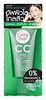
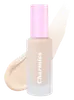
Cathy Doll CC Cream Anti Acne SPF 50 PA+++ Versus Charmiss Charming Glow Longwear Foundation SPF50+ PA++++

What's inside
What's inside
 Key Ingredients
Benefits
Concerns
Ingredients Side-by-side
Water
Skin ConditioningCyclopentasiloxane
Emollient
Glycerin
Humectant


Propylene Glycol
Humectant

Caprylyl Methicone
Skin Conditioning
Titanium Dioxide
Cosmetic Colorant

Cyclohexasiloxane
Emollient
Betaine
Humectant
Cetyl PEG/PPG-10/1 Dimethicone
Emulsifying
Magnesium Sulfate
Dimethicone Crosspolymer
Emulsion Stabilising
Vp/Hexadecene Copolymer
Butylene Glycol
Humectant
Hydroxyacetophenone
Antioxidant
1,2-Hexanediol
Skin Conditioning
Hydrolyzed Collagen
Emollient
Niacinamide
Smoothing







Sodium Hyaluronate
Humectant
Rosa Rugosa Flower Oil
Masking

Salicylic Acid
Masking



Hamamelis Virginiana Bark/Leaf Extract
AstringentBellis Perennis Flower Extract
Skin ConditioningCamellia Sinensis Leaf Extract
Antimicrobial
Centella Asiatica Extract
Cleansing
Ceramide AP
Skin Conditioning
Ceramide EOP
Skin Conditioning
Ceramide NP
Skin Conditioning
Chamomilla Recutita Flower Extract
Masking
Gluconolactone
Chelating
Glycyrrhiza Glabra Root Extract
Bleaching
Polygonum Cuspidatum Root Extract
Antioxidant
Rosmarinus Officinalis Leaf Extract
AntimicrobialScutellaria Baicalensis Root Extract
Astringent
Zinc PCA
Humectant
CI 77492
Cosmetic ColorantCI 77491
Cosmetic ColorantCI 77499
Cosmetic ColorantWater, Cyclopentasiloxane, Glycerin, Propylene Glycol, Caprylyl Methicone, Titanium Dioxide, Cyclohexasiloxane, Betaine, Cetyl PEG/PPG-10/1 Dimethicone, Magnesium Sulfate, Dimethicone Crosspolymer, Vp/Hexadecene Copolymer, Butylene Glycol, Hydroxyacetophenone, 1,2-Hexanediol, Hydrolyzed Collagen, Niacinamide, Sodium Hyaluronate, Rosa Rugosa Flower Oil, Salicylic Acid, Hamamelis Virginiana Bark/Leaf Extract, Bellis Perennis Flower Extract, Camellia Sinensis Leaf Extract, Centella Asiatica Extract, Ceramide AP, Ceramide EOP, Ceramide NP, Chamomilla Recutita Flower Extract, Gluconolactone, Glycyrrhiza Glabra Root Extract, Polygonum Cuspidatum Root Extract, Rosmarinus Officinalis Leaf Extract, Scutellaria Baicalensis Root Extract, Zinc PCA, CI 77492, CI 77491, CI 77499
Water
Skin ConditioningCyclopentasiloxane
Emollient
Ethylhexyl Methoxycinnamate
UV Absorber
Cetyl PEG/PPG-10/1 Dimethicone
Emulsifying
Homosalate
Skin Conditioning
Isododecane
EmollientHydrogenated Polyisobutene
EmollientTrimethylsiloxysilicate
Emollient
Synthetic Fluorphlogopite
Butylene Glycol
Humectant
Pentylene Glycol
Skin Conditioning
Dimethicone
Emollient
Diethylamino Hydroxybenzoyl Hexyl Benzoate
UV Filter
Magnesium Sulfate
Phenoxyethanol
Preservative
Aluminum Hydroxide
EmollientTriethoxycaprylylsilane
Dimethicone/PEG-10/15 Crosspolymer
Dimethicone Crosspolymer
Emulsion Stabilising
PEG/PPG-18/18 Dimethicone
Emulsifying
Disteardimonium Hectorite
StabilisingPrunus Avium Fruit Extract
Skin ConditioningEthylhexylglycerin
Skin ConditioningTrisodium Ethylenediamine Disuccinate
ChelatingDipropylene Glycol
HumectantSodium Citrate
BufferingTocopherol
Antioxidant
Carnosine
Skin Conditioning
Niacinamide
Smoothing
Pentaerythrityl Tetra-Di-T-Butyl Hydroxyhydrocinnamate
Antioxidant
1,2-Hexanediol
Skin Conditioning
Caprylyl Glycol
Emollient
BHT
Antioxidant
CI 77891
Cosmetic ColorantCI 77492
Cosmetic ColorantCI 77491
Cosmetic ColorantCI 77499
Cosmetic ColorantWater, Cyclopentasiloxane, Ethylhexyl Methoxycinnamate, Cetyl PEG/PPG-10/1 Dimethicone, Homosalate, Isododecane, Hydrogenated Polyisobutene, Trimethylsiloxysilicate, Synthetic Fluorphlogopite, Butylene Glycol, Pentylene Glycol, Dimethicone, Diethylamino Hydroxybenzoyl Hexyl Benzoate, Magnesium Sulfate, Phenoxyethanol, Aluminum Hydroxide, Triethoxycaprylylsilane, Dimethicone/PEG-10/15 Crosspolymer, Dimethicone Crosspolymer, PEG/PPG-18/18 Dimethicone, Disteardimonium Hectorite, Prunus Avium Fruit Extract, Ethylhexylglycerin, Trisodium Ethylenediamine Disuccinate, Dipropylene Glycol, Sodium Citrate, Tocopherol, Carnosine, Niacinamide, Pentaerythrityl Tetra-Di-T-Butyl Hydroxyhydrocinnamate, 1,2-Hexanediol, Caprylyl Glycol, BHT, CI 77891, CI 77492, CI 77491, CI 77499
Ingredients Explained
These ingredients are found in both products.
Ingredients higher up in an ingredient list are typically present in a larger amount.
1,2-Hexanediol is a synthetic liquid and another multi-functional powerhouse.
It is a:
- Humectant, drawing moisture into the skin
- Emollient, helping to soften skin
- Solvent, dispersing and stabilizing formulas
- Preservative booster, enhancing the antimicrobial activity of other preservatives
Butylene Glycol (or BG) is used within cosmetic products for a few different reasons:
Overall, Butylene Glycol is a safe and well-rounded ingredient that works well with other ingredients.
Though this ingredient works well with most skin types, some people with sensitive skin may experience a reaction such as allergic rashes, closed comedones, or itchiness.
Learn more about Butylene GlycolThis ingredient is a silicone-based emulsifer that helps the water and oil phases play nicely together.
It's pretty effective because one end of the molecule loves oil and the other one loves water.
Besides holding formulas together, it also leaves a silky and lightweight feel on skin without the greasiness. A manufacturer also claims it can help with the controlled release of active ingredients.
The CIR Expert Panel found this ingredient to not be sensitizing in concentrations up to 15% in human maximazation testing and dimethicone-based compounds were not comedogenic.
It has a high molecular weight well above 1,000 g/mol which means it limits meaningful skin penetration.
A 2019 study specifically tested this ingredient and found no observable Malassezia growth in its presence.
Learn more about Cetyl PEG/PPG-10/1 DimethiconeCi 77491 is also hydrated iron III oxide. It's sole purpose is to give a red/pink hue to products.
Iron III oxides are classified as inorganic chemicals for coloring.
Synthetically created Ci 77491 is considered safer than those naturally found. This is because the synthetically created version may contain less impurities. Iron oxides are generally non-toxic and non-allergenic.
Learn more about CI 77491CI 77492 is also hydrated iron III oxide. It's sole purpose is to give a yellow hue to products.
Iron III oxides are classified as inorganic chemicals for coloring.
Synthetically created CI 77492 is considered safer than those naturally found. This is because the synthetically created version may contain less impurities. Iron oxides are generally non-toxic and non-allergenic.
Learn more about CI 77492Ci 77499 is also hydrated iron III oxide. It is created from mixing red and black iron oxides. This helps give shades of darkness to a product.
Iron III oxides are classified as inorganic chemicals for coloring.
Cyclopentasiloxane (D5) is a lightweight silicone that mostly acts as an emollient and solvent in cosmetics. Its the reason your products feel silky, fast-spreading, and non-greasy.
Since D5 is volatile, it does its thing and then evaporates off the skin quickly.
The safety profile of this ingredient is reassuring; the US CIR Expert Panel concluded D5 is safe as used in cosmetics and Health Canada concluded that D5 is not harmful to human health or the environment as currently used in cosmetics
There's a study that people mention about D5 in a rat study showing tumors. This study is related to long-term inhalation of high D5 levels.
Regulatory bodies have judged this study to be not applicable in topical skincare since skin absorption of D5 is very low and we're not really inhaling huge amounts of D5.
The only restriction for this ingredient is environmental. The European Chemicals Agency (ECHA) restricted D5 in wash-off cosmetics at or above 0.1% due to their persistence in water.
Learn more about CyclopentasiloxaneDimethicone Crosspolymer is a silicone created by modifying dimethicone with hydrocarbon side chains. Due to its large size, it does not penetrate skin. It is considered non-occlusive.
Dimethicone Crosspolymer is used to stabilize and thicken products. It also helps give products a silky feel.
Magnesium Sulfate is a salt. More specifically, it is an epsom salt, or the bath salt used to help relieve muscle aches.
Despite having ‘sulfate’ in the name, it isn’t a surfactant or cleansing agent like sodium lauryl sulfate. Unlike those sulfates, magnesium sulfate doesn’t have the same cleansing or foaming properties (it's simply a type of salt).
In cosmetics, Magnesium Sulfate is used to thicken a product or help dilute other solids. It is a non-reactive and non-irritating ingredient.
One study shows magnesium deficiency may lead to inflammation of the skin. Applying magnesium topically may help reduce inflammation.
You can find this ingredient in sea water or mineral deposits.
Learn more about Magnesium SulfateNiacinamide is a multitasking form of vitamin B3 that strengthens the skin barrier, reduces pores and dark spots, regulates oil, and improves signs of aging.
And the best part? It's gentle and well-tolerated by most skin types, including sensitive and reactive skin.
You might have heard of "niacin flush", or the reddening of skin that causes itchiness. Niacinamide has not been found to cause this.
In very rare cases, some individuals may not be able to tolerate niacinamide at all or experience an allergic reaction to it.
If you are experiencing flaking, irritation, and dryness with this ingredient, be sure to double check all your products as this ingredient can be found in all categories of skincare.
When incorporating niacinamide into your routine, look out for concentration amounts. Typically, 5% niacinamide provides benefits such as fading dark spots. However, if you have sensitive skin, it is better to begin with a smaller concentration.
When you apply niacinamide to your skin, your body converts it into nicotinamide adenine dinucleotide (NAD). NAD is an essential coenzyme that is already found in your cells as "fuel" and powers countless biological processes.
In your skin, NAD helps repair cell damage, produce new healthy cells, support collagen production, strengthen the skin barrier, and fight environmental stressors (like UV and pollution).
Our natural NAD levels start to decline with age, leading to slower skin repair, visible aging, and a weaker skin barrier. By providing your skin niacinamide, you're recharging your skin's NAD levels. This leads to stronger, healthier, and younger looking skin.
Another name for vitamin B3 is nicotinamide. This vitamin is water-soluble and our bodies don't store it. We obtain Vitamin B3 from either food or skincare. Meat, fish, wheat, yeast, and leafy greens contain vitamin B3.
The type of niacinamide used in skincare is synthetically created.
Learn more about NiacinamideWater. It's the most common cosmetic ingredient of all. You'll usually see it at the top of ingredient lists, meaning that it makes up the largest part of the product.
So why is it so popular? Water most often acts as a solvent - this means that it helps dissolve other ingredients into the formulation.
You'll also recognize water as that liquid we all need to stay alive. If you see this, drink a glass of water. Remember to stay hydrated!
Learn more about Water

