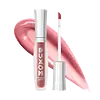
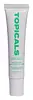
This barrier-repair lip moisturizer is formulated around Ceramide NP and Palmitoyl Tripeptide-38 to strengthen the lip barrier and hydrate lips.

What's inside
What's inside
 Key Ingredients
Benefits
Concerns
Ingredients Side-by-side
Hydrogenated Poly(C6-14 Olefin)
EmollientPersea Gratissima Oil
Skin Conditioning





Ethylene/Propylene/Styrene Copolymer
Simmondsia Chinensis Seed Oil
Emollient

Ethylhexyl Palmitate
Emollient
Menthone Glycerin Acetal
Refreshing
Benzyl Nicotinate
Skin ConditioningCamellia Japonica Seed Oil
Emollient
Collagen
Moisturising
Portulaca Pilosa Extract
Skin ConditioningTocopheryl Acetate
Antioxidant


Sucrose Cocoate
Emulsifying

Cetearyl Ethylhexanoate
Emollient
Sorbitan Isostearate
Emulsifying
Palmitoyl Tripeptide-38
Skin Conditioning

Water
Skin ConditioningPentaerythrityl Tetra-Di-T-Butyl Hydroxyhydrocinnamate
Antioxidant
Vanillin
Masking

Mentha Piperita Oil
Masking

Mica
Cosmetic ColorantTribehenin
Emollient
Palmitoyl Tripeptide-1
Skin Conditioning
Lactic Acid
Buffering



Silica Dimethyl Silylate
EmollientButylene Glycol
Humectant
Caprylyl Glycol
Emollient
Sodium Hyaluronate
Humectant

Hexylene Glycol
EmulsifyingAlcohol
Antimicrobial
Limonene
Perfuming
Phenoxyethanol
Preservative
Iron Oxides
CI 15850
Cosmetic ColorantCI 73360
Cosmetic ColorantCI 42090
Cosmetic ColorantCI 45410
Cosmetic ColorantCI 19140
Cosmetic ColorantCI 77891
Cosmetic ColorantHydrogenated Poly(C6-14 Olefin), Persea Gratissima Oil, Ethylene/Propylene/Styrene Copolymer, Simmondsia Chinensis Seed Oil, Ethylhexyl Palmitate, Menthone Glycerin Acetal, Benzyl Nicotinate, Camellia Japonica Seed Oil, Collagen, Portulaca Pilosa Extract, Tocopheryl Acetate, Sucrose Cocoate, Cetearyl Ethylhexanoate, Sorbitan Isostearate, Palmitoyl Tripeptide-38, Water, Pentaerythrityl Tetra-Di-T-Butyl Hydroxyhydrocinnamate, Vanillin, Mentha Piperita Oil, Mica, Tribehenin, Palmitoyl Tripeptide-1, Lactic Acid, Silica Dimethyl Silylate, Butylene Glycol, Caprylyl Glycol, Sodium Hyaluronate, Hexylene Glycol, Alcohol, Limonene, Phenoxyethanol, Iron Oxides, CI 15850, CI 73360, CI 42090, CI 45410, CI 19140, CI 77891
Hydrogenated Polyisobutene
EmollientEthylene/Propylene/Styrene Copolymer
Butylene/Ethylene/Styrene Copolymer
Oryza Sativa Bran Wax
Skin Conditioning
Ceramide NP
Skin Conditioning

Ceramide AP
Skin Conditioning
Ceramide EOP
Skin Conditioning
Palmitoyl Tripeptide-38
Skin Conditioning
Sodium Hyaluronate
Humectant
Hydrolyzed Sodium Hyaluronate
Skin Conditioning
Tocopheryl Acetate
Antioxidant
Ergothioneine
Antioxidant
Glycerin
Humectant
Phytosphingosine
Skin Conditioning
Cholesterol
Emollient
Portulaca Pilosa Extract
Skin ConditioningSucrose Cocoate
Emulsifying
Panthenol
Skin Conditioning
Sodium Lauroyl Lactylate
EmulsifyingCarbomer
Emulsion StabilisingXanthan Gum
EmulsifyingCetearyl Ethylhexanoate
Emollient
Sorbitan Isostearate
Emulsifying
Mentha Arvensis Leaf Oil
Masking
Mentha Piperita Flower/Leaf/Stem Oil
Skin Conditioning
Water
Skin ConditioningHydrogenated Polyisobutene, Ethylene/Propylene/Styrene Copolymer, Butylene/Ethylene/Styrene Copolymer, Oryza Sativa Bran Wax, Ceramide NP, Ceramide AP, Ceramide EOP, Palmitoyl Tripeptide-38, Sodium Hyaluronate, Hydrolyzed Sodium Hyaluronate, Tocopheryl Acetate, Ergothioneine, Glycerin, Phytosphingosine, Cholesterol, Portulaca Pilosa Extract, Sucrose Cocoate, Panthenol, Sodium Lauroyl Lactylate, Carbomer, Xanthan Gum, Cetearyl Ethylhexanoate, Sorbitan Isostearate, Mentha Arvensis Leaf Oil, Mentha Piperita Flower/Leaf/Stem Oil, Water
Reviews
Ingredients Explained
These ingredients are found in both products.
Ingredients higher up in an ingredient list are typically present in a larger amount.
Cetearyl Ethylhexanoate is derived from cetearyl alcohol and sorbic acid.
It is an emollient and helps hydrate the skin. Emollients form a barrier on the skin to prevent water from escaping.
This is a synthetic polymer used to thicken formulas, improve texture, and enhance spreadability.
Due to its large molecule size, this ingredient does not penetrate the skin and is considered well-tolerated.
This synthetic, signal peptide has unique skin conditioning properties in that is a matrikine-mimetic compound.
First of all, Palmitoyl Tripeptide-38 is a signal peptide; signal peptides tell the body to create more collagen.
What is a matrikine-mimetic compound?
This peptide has the ability to mimic matrikines in skin. Our skin created matrikines by breaking down matrix proteins into peptides.
Matrikines play a role in:
Though further research is needed, this ingredient seems pretty promising. In one study, women over the age of 40 with visible photoaging used a vitamin C serum with this ingredient for 56 days (15% ascorbid acid, 5 ppm palmitoyl tripeptide‐38). The results found improvement in skin roughness and skin tone.
This peptide is also part of the famous Matrixyl synthe’6, a blend of ingredients that also includes glycerin, water, and hydroxypropyl cyclodextrin.
Learn more about Palmitoyl Tripeptide-38We don't have a description for Portulaca Pilosa Extract yet.
Sodium Hyaluronate is the salt form of hyaluronic acid. It is a long sugar chain that is naturally found in your skin, joints, and connective tissue that maintains hydration and elasticity.
In skincare, it works as a humectant. It pulls water from the environment and deeper layers of skin and binds it to the surface.
Interestingly, the size of the molecule affects its behavior:
Some clinical evidence links low molecular weight versions to improved wrinkle depth, elasticity, anti-inflammatory effects, and barrier repair.
Many serums use a blend of both weights so you can get surface hydration plus longer-lasting and deeper effects.
You'll typically see concentrations between 0.1-2% for this ingredient.
Learn more about Sodium HyaluronateSorbitan Isostearate is an emulsifer. It is created from isostearic acid and sorbitol.
As an emulsifier, it keeps the water and oil ingredients from separating. This keeps formulas stable and smooth.
In a 24 hour occlusive patch test on 56 subjects, 10% sorbitan isostearate was completely non-irritating. Most formulas use less than 10%.
Because it's a fatty acid ester, it may not be fungal acne safe since the Malassezia yeast can utilize it as a nutrient source.
Learn more about Sorbitan IsostearateSucrose cocoate is a mild multitasking ingredient made by esterifying sugar with the fatty acids of coconut oil.
It functions as a surfactant, emulsifier, and skin-conditioning ingredient all in one.
Typical use concentrations range from:
This ingredient is well-tolerated across skin types and has been classified safe for use in cosmetic products by the Cosmetic Ingredient Review Expert Panel. It's even considered gentle enough for use in baby care products like shampoos and lotions.
Fungal acne note: Sucrose cocoate is a fatty acid ester derived from coconut oil that contains fatty acids in the C12-18 range. This is the range that Malassezia can metabolize, meaning this ingredient may not be fungal acne safe.
Learn more about Sucrose CocoateTocopheryl Acetate is a stable, shelf-friendly form of vitamin E.
Formulators love it because plain vitamin E oxidizes quickly once it hits air. This acetate version stays stable and resists going off, helping to extend a product's shelf life.
It's actually inactive on its own and works like a slow-release "storage" form; the enzymes in your skin called esterases gradually convert it into active vitamin E over time.
One in vivo study showed 5% of the acetate in the living layer of the epidermis converted to vitamin E after 5 days of application. This study also found the skin gained protection against UV damage even though the conversion was slow and small.
Once converted, vitamin E acts as a skin's main fat-soluble antioxidant that fights free radicals to protect skin from damage.
Topical vitamin E generally boosts the skin's photoprotection, and it reduced UV-damage in animal models.
This ingredient has some brightening potential but it's more of a prevention ingredient than spot-fader. Cell studies show it can slow down melanin production but it's worth noting that it's not the most powerful brightener out there.
Overall, it has a pretty solid safety profile and has been found to be non-irritating and non-comedogenic. Allergic reactions may happen but stay rare due to how widely the ingredient gets used.
The concentration will vary depending on the formula; industry data shows 0.1% in baby lotions, 3% in lipsticks, and 5% in foot powders. You can also find this ingredient at 100% in a pure vitamin E oil.
Most leave-on skincare keeps it at the lower end, often between 0.5-1%.
Learn more about Tocopheryl AcetateWater. It's the most common cosmetic ingredient of all. You'll usually see it at the top of ingredient lists, meaning that it makes up the largest part of the product.
So why is it so popular? Water most often acts as a solvent - this means that it helps dissolve other ingredients into the formulation.
You'll also recognize water as that liquid we all need to stay alive. If you see this, drink a glass of water. Remember to stay hydrated!
Learn more about Water

