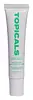
This barrier-repair lip moisturizer is formulated around Ceramide NP and Palmitoyl Tripeptide-38 to strengthen the lip barrier and hydrate lips.
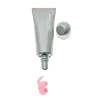
This hydrating lip mask is formulated around Simmondsia Chinensis Seed Oil and Butyrospermum Parkii Butter to hydrate lips and soften the look of wrinkles.

What's inside
What's inside
 Key Ingredients
Benefits
Concerns
Ingredients Side-by-side
Hydrogenated Polyisobutene
EmollientEthylene/Propylene/Styrene Copolymer
Butylene/Ethylene/Styrene Copolymer
Oryza Sativa Bran Wax
Skin Conditioning


Ceramide NP
Skin Conditioning




Ceramide AP
Skin Conditioning
Ceramide EOP
Skin Conditioning
Palmitoyl Tripeptide-38
Skin Conditioning

Sodium Hyaluronate
Humectant
Hydrolyzed Sodium Hyaluronate
Skin Conditioning
Tocopheryl Acetate
Antioxidant


Ergothioneine
Antioxidant
Glycerin
Humectant
Phytosphingosine
Skin Conditioning
Cholesterol
Emollient
Portulaca Pilosa Extract
Skin ConditioningSucrose Cocoate
Emulsifying


Panthenol
Skin Conditioning
Sodium Lauroyl Lactylate
EmulsifyingCarbomer
Emulsion StabilisingXanthan Gum
EmulsifyingCetearyl Ethylhexanoate
Emollient
Sorbitan Isostearate
Emulsifying
Mentha Arvensis Leaf Oil
Masking

Mentha Piperita Flower/Leaf/Stem Oil
Skin Conditioning
Water
Skin ConditioningHydrogenated Polyisobutene, Ethylene/Propylene/Styrene Copolymer, Butylene/Ethylene/Styrene Copolymer, Oryza Sativa Bran Wax, Ceramide NP, Ceramide AP, Ceramide EOP, Palmitoyl Tripeptide-38, Sodium Hyaluronate, Hydrolyzed Sodium Hyaluronate, Tocopheryl Acetate, Ergothioneine, Glycerin, Phytosphingosine, Cholesterol, Portulaca Pilosa Extract, Sucrose Cocoate, Panthenol, Sodium Lauroyl Lactylate, Carbomer, Xanthan Gum, Cetearyl Ethylhexanoate, Sorbitan Isostearate, Mentha Arvensis Leaf Oil, Mentha Piperita Flower/Leaf/Stem Oil, Water
Polybutene
Hydrogenated Polyisobutene
EmollientCaprylic/Capric Triglyceride
Masking
Bis-Diglyceryl Polyacyladipate-2
Emollient
Polyethylene
Abrasive
Simmondsia Chinensis Seed Oil
Emollient
Phytosteryl/Isostearyl/Cetyl/Stearyl/Behenyl Dimer Dilinoleate
Skin Conditioning
Ethylhexyl Palmitate
Emollient

Butyrospermum Parkii Butter
Skin Conditioning
Cocos Nucifera Oil
Masking
Silica Dimethyl Silylate
EmollientPolyhydroxystearic Acid
Emulsifying
Ethylene/Propylene/Styrene Copolymer
Dipalmitoyl Hydroxyproline
Skin Conditioning
Tocopherol
Antioxidant
Palmitoyl Tripeptide-38
Skin Conditioning
Hexapeptide-3
Skin Conditioning
Acetyl Hexapeptide-37
Skin Conditioning
Acetyl Hexapeptide-38
Skin Conditioning
Olea Europaea Fruit Oil
Masking
Lactic Acid
Buffering


Sodium Hyaluronate
Humectant
Stevioside
MaskingVanillyl Butyl Ether
MaskingCeramide NP
Skin Conditioning
Glucomannan
Skin ConditioningOctyldodecanol
Emollient
Cetearyl Alcohol
Emollient
Pentaerythrityl Tetra-Di-T-Butyl Hydroxyhydrocinnamate
Antioxidant
PEG-20 Glyceryl Triisostearate
Emollient
Butylene/Ethylene/Styrene Copolymer
Sorbitan Oleate
Emulsifying
Synthetic Beeswax
Emulsion Stabilising
Water
Skin ConditioningTrihydroxystearin
Skin Conditioning
Ethylhexylglycerin
Skin ConditioningCI 73360
Cosmetic ColorantCI 15850
Cosmetic ColorantPolybutene, Hydrogenated Polyisobutene, Caprylic/Capric Triglyceride, Bis-Diglyceryl Polyacyladipate-2, Polyethylene, Simmondsia Chinensis Seed Oil, Phytosteryl/Isostearyl/Cetyl/Stearyl/Behenyl Dimer Dilinoleate, Ethylhexyl Palmitate, Butyrospermum Parkii Butter, Cocos Nucifera Oil, Silica Dimethyl Silylate, Polyhydroxystearic Acid, Ethylene/Propylene/Styrene Copolymer, Dipalmitoyl Hydroxyproline, Tocopherol, Palmitoyl Tripeptide-38, Hexapeptide-3, Acetyl Hexapeptide-37, Acetyl Hexapeptide-38, Olea Europaea Fruit Oil, Lactic Acid, Sodium Hyaluronate, Stevioside, Vanillyl Butyl Ether, Ceramide NP, Glucomannan, Octyldodecanol, Cetearyl Alcohol, Pentaerythrityl Tetra-Di-T-Butyl Hydroxyhydrocinnamate, PEG-20 Glyceryl Triisostearate, Butylene/Ethylene/Styrene Copolymer, Sorbitan Oleate, Synthetic Beeswax, Water, Trihydroxystearin, Ethylhexylglycerin, CI 73360, CI 15850
Reviews
Ingredients Explained
These ingredients are found in both products.
Ingredients higher up in an ingredient list are typically present in a larger amount.
This ingredient is a high-molecular weight synthetic polymer. It is used to modify the viscosity of a formula, improve slip, and create a more "cushiony" texture.
Due to its large molecular size, this ingredient is not absorbed into the skin.
Ceramide NP (formerly known as Ceramide 3) is one of the skin's naturally occurring lipids.
Since ceramides are the major lipid components of the skin, they are crucial for maintaining skin barrier and hydration. Ceramide NP most closely mirrors the dominant kind in human skin amongst ceramide subtypes.
This ceramide works by slotting into gaps within the stratum corneum's lipid matrix to limit trans-epidermal water loss (TEWL) and shield the skin against external irritants.
A study with 312 patients found that using a ceramide-containing routine for 4 weeks reduced the severity of atopic dermatitis by over 61%.
Another clinical study in subjects aged 60 and older found that a ceramide body wash and moisturizer improved skin dryness and itchy skin in 15 days.
Overall, ceramides are considered non-irritating and safety tests have found little to no observable adverse effects from using this ingredient.
Ceramide NP is usually sourced from plants (like soybean or rice bran), or produced synthetically.
Learn more about Ceramide NPThis is a synthetic polymer used to thicken formulas, improve texture, and enhance spreadability.
Due to its large molecule size, this ingredient does not penetrate the skin and is considered well-tolerated.
Hydrogenated Polyisobutene is a synthetic polymer. Polymers are compounds with high molecular weight. Hydrogenated Polyisobutene is an emollient and texture enhancer.
In one study, Hydrogenated Polyisobutene showed better skin hydration levels than Caprylic/Capric Triglyceride. As an emollient, it helps keep your skin soft and hydrated by trapping moisture in.
Hydrogenated Polyisobutene is often used as a mineral oil replacement.
Learn more about Hydrogenated PolyisobuteneThis synthetic, signal peptide has unique skin conditioning properties in that is a matrikine-mimetic compound.
First of all, Palmitoyl Tripeptide-38 is a signal peptide; signal peptides tell the body to create more collagen.
What is a matrikine-mimetic compound?
This peptide has the ability to mimic matrikines in skin. Our skin created matrikines by breaking down matrix proteins into peptides.
Matrikines play a role in:
Though further research is needed, this ingredient seems pretty promising. In one study, women over the age of 40 with visible photoaging used a vitamin C serum with this ingredient for 56 days (15% ascorbid acid, 5 ppm palmitoyl tripeptide‐38). The results found improvement in skin roughness and skin tone.
This peptide is also part of the famous Matrixyl synthe’6, a blend of ingredients that also includes glycerin, water, and hydroxypropyl cyclodextrin.
Learn more about Palmitoyl Tripeptide-38Sodium Hyaluronate is the salt form of hyaluronic acid. It is a long sugar chain that is naturally found in your skin, joints, and connective tissue that maintains hydration and elasticity.
In skincare, it works as a humectant. It pulls water from the environment and deeper layers of skin and binds it to the surface.
Interestingly, the size of the molecule affects its behavior:
Some clinical evidence links low molecular weight versions to improved wrinkle depth, elasticity, anti-inflammatory effects, and barrier repair.
Many serums use a blend of both weights so you can get surface hydration plus longer-lasting and deeper effects.
You'll typically see concentrations between 0.1-2% for this ingredient.
Learn more about Sodium HyaluronateWater. It's the most common cosmetic ingredient of all. You'll usually see it at the top of ingredient lists, meaning that it makes up the largest part of the product.
So why is it so popular? Water most often acts as a solvent - this means that it helps dissolve other ingredients into the formulation.
You'll also recognize water as that liquid we all need to stay alive. If you see this, drink a glass of water. Remember to stay hydrated!
Learn more about Water

