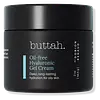
This oil-control moisturizer is formulated around Aloe Barbadensis Leaf Juice and Sodium Hyaluronate to balance excess oil and hydrate skin.
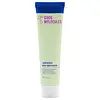
This barrier-repair moisturizer is formulated around Butyrospermum Parkii Butter and Sodium Hyaluronate to strengthen the skin barrier and hydrate skin.

What's inside
What's inside
 Key Ingredients
Benefits
Concerns
Ingredients Side-by-side
Water
Skin ConditioningAloe Barbadensis Leaf Juice
Skin Conditioning


Cyclopentasiloxane
Emollient
Dimethiconol
Emollient
Sodium Acrylate/Sodium Acryloyldimethyl Taurate Copolymer
Emulsion StabilisingPropanediol
Solvent
Propylene Glycol
Humectant

Cetyl Stearate
Emollient
Isostearyl Isostearate
Emollient

Cetyl Alcohol
Emollient

Potassium Cetyl Phosphate
EmulsifyingStearic Acid
Cleansing
Butylene Glycol
Humectant
Hexylene Glycol
EmulsifyingPolysorbate 20
Emulsifying
Glycerin
Humectant
Pentylene Glycol
Skin Conditioning
Sodium Hyaluronate
Humectant

Avena Sativa Kernel Meal
Abrasive
Niacinamide
Smoothing






Alteromonas Ferment Filtrate
HumectantPhenoxyethanol
Preservative
Ethylhexylglycerin
Skin ConditioningXylitylglucoside
Humectant
Anhydroxylitol
Humectant
Xylitol
Humectant
Citric Acid
Buffering
Lactic Acid
Buffering
Malic Acid
Buffering
Gluconic Acid
Chelating
Ascorbic Acid
Antioxidant

Glycolic Acid
Buffering
Salicylic Acid
Masking

Tartaric Acid
Buffering
Panthenol
Skin Conditioning
Leuconostoc/Radish Root Ferment Filtrate
Antimicrobial
Allantoin
Skin Conditioning
Tetrahexyldecyl Ascorbate
Antioxidant
Tocopheryl Acetate
Antioxidant
Vitis Vinifera Seed Extract
Antimicrobial
Algae Extract
Emollient
Disodium EDTA
ChelatingWater, Aloe Barbadensis Leaf Juice, Cyclopentasiloxane, Dimethiconol, Sodium Acrylate/Sodium Acryloyldimethyl Taurate Copolymer, Propanediol, Propylene Glycol, Cetyl Stearate, Isostearyl Isostearate, Cetyl Alcohol, Potassium Cetyl Phosphate, Stearic Acid, Butylene Glycol, Hexylene Glycol, Polysorbate 20, Glycerin, Pentylene Glycol, Sodium Hyaluronate, Avena Sativa Kernel Meal, Niacinamide, Alteromonas Ferment Filtrate, Phenoxyethanol, Ethylhexylglycerin, Xylitylglucoside, Anhydroxylitol, Xylitol, Citric Acid, Lactic Acid, Malic Acid, Gluconic Acid, Ascorbic Acid, Glycolic Acid, Salicylic Acid, Tartaric Acid, Panthenol, Leuconostoc/Radish Root Ferment Filtrate, Allantoin, Tetrahexyldecyl Ascorbate, Tocopheryl Acetate, Vitis Vinifera Seed Extract, Algae Extract, Disodium EDTA
Water
Skin ConditioningPropanediol
Solvent
Butyrospermum Parkii Butter
Skin Conditioning
Neopentyl Glycol Diheptanoate
EmollientCetearyl Alcohol
Emollient
1,2-Hexanediol
Skin Conditioning
Persea Gratissima Oil
Skin Conditioning
Cetearyl Olivate
Sorbitan Olivate
Emulsifying
Glyceryl Stearate
Emollient
Cetyl Ethylhexanoate
EmollientCarbomer
Emulsion StabilisingTromethamine
BufferingSodium Hyaluronate
Humectant
Tocopheryl Acetate
Antioxidant
Ethylhexylglycerin
Skin ConditioningTrisodium Ethylenediamine Disuccinate
ChelatingCamellia Sinensis Leaf Water
Masking
Water, Propanediol, Butyrospermum Parkii Butter, Neopentyl Glycol Diheptanoate, Cetearyl Alcohol, 1,2-Hexanediol, Persea Gratissima Oil, Cetearyl Olivate, Sorbitan Olivate, Glyceryl Stearate, Cetyl Ethylhexanoate, Carbomer, Tromethamine, Sodium Hyaluronate, Tocopheryl Acetate, Ethylhexylglycerin, Trisodium Ethylenediamine Disuccinate, Camellia Sinensis Leaf Water
Reviews
Ingredients Explained
These ingredients are found in both products.
Ingredients higher up in an ingredient list are typically present in a larger amount.
Ethylhexylglycerin is created from glycerin. It is a multitasker ingredient that:
The CIR Expert Panel found minimal skin absorption or sensitization of any kind in a safety assessment. Though this ingredient is considered well-tolerated, a small number of cases of allergic dermatitis have been published since 2002. Just be sure to patch test if you are unsure.
Industry-reported use ranges from 8% in rinse-off products and 2% in leave-on formulations.
Learn more about EthylhexylglycerinPropanediol is an all-star ingredient. It softens, hydrates, and smooths the skin.
It’s often used to:
Propanediol is not likely to cause sensitivity and considered safe to use. It is derived from corn or petroleum with a clear color and no scent.
Learn more about PropanediolSodium Hyaluronate is the salt form of hyaluronic acid. It is a long sugar chain that is naturally found in your skin, joints, and connective tissue that maintains hydration and elasticity.
In skincare, it works as a humectant. It pulls water from the environment and deeper layers of skin and binds it to the surface.
Interestingly, the size of the molecule affects its behavior:
Some clinical evidence links low molecular weight versions to improved wrinkle depth, elasticity, anti-inflammatory effects, and barrier repair.
Many serums use a blend of both weights so you can get surface hydration plus longer-lasting and deeper effects.
You'll typically see concentrations between 0.1-2% for this ingredient.
Learn more about Sodium HyaluronateTocopheryl Acetate is a stable, shelf-friendly form of vitamin E.
Formulators love it because plain vitamin E oxidizes quickly once it hits air. This acetate version stays stable and resists going off, helping to extend a product's shelf life.
It's actually inactive on its own and works like a slow-release "storage" form; the enzymes in your skin called esterases gradually convert it into active vitamin E over time.
One in vivo study showed 5% of the acetate in the living layer of the epidermis converted to vitamin E after 5 days of application. This study also found the skin gained protection against UV damage even though the conversion was slow and small.
Once converted, vitamin E acts as a skin's main fat-soluble antioxidant that fights free radicals to protect skin from damage.
Topical vitamin E generally boosts the skin's photoprotection, and it reduced UV-damage in animal models.
This ingredient has some brightening potential but it's more of a prevention ingredient than spot-fader. Cell studies show it can slow down melanin production but it's worth noting that it's not the most powerful brightener out there.
Overall, it has a pretty solid safety profile and has been found to be non-irritating and non-comedogenic. Allergic reactions may happen but stay rare due to how widely the ingredient gets used.
The concentration will vary depending on the formula; industry data shows 0.1% in baby lotions, 3% in lipsticks, and 5% in foot powders. You can also find this ingredient at 100% in a pure vitamin E oil.
Most leave-on skincare keeps it at the lower end, often between 0.5-1%.
Learn more about Tocopheryl AcetateWater. It's the most common cosmetic ingredient of all. You'll usually see it at the top of ingredient lists, meaning that it makes up the largest part of the product.
So why is it so popular? Water most often acts as a solvent - this means that it helps dissolve other ingredients into the formulation.
You'll also recognize water as that liquid we all need to stay alive. If you see this, drink a glass of water. Remember to stay hydrated!
Learn more about Water

