

What's inside
What's inside
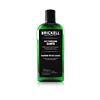 Key Ingredients
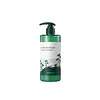
Benefits
Concerns
Ingredients Side-by-side
Aloe Barbadensis Leaf Extract
Emollient


Panthenol
Skin Conditioning

Lavandula Angustifolia Oil
Masking




Sodium Cocoyl/Stearoyl (Alanine/Arginine/Asparagine/Aspartic Acid/Glutamic Acid/Glutamine/Glycine/Histidine/Isoleucine/Leucine/Lysine/Phenylalanine/Proline/Serine/Threonine/Tyrosine/Valine)
Emollient
Sodium Lauryl Sulfoacetate
CleansingDisodium Laureth Sulfosuccinate
CleansingGlycerin
Humectant
Cocamidopropyl Betaine
Cleansing

Phenoxyethanol
Preservative
Anthemis Nobilis Flower Water
Masking
Hydrolyzed Wheat Protein
Skin ConditioningRosa Canina Fruit Oil
Emollient
Simmondsia Chinensis Seed Oil
Emollient
Tocopherol
Antioxidant




Tetrasodium EDTA
ChelatingMentha Piperita Oil
Masking
Melaleuca Alternifolia Leaf
Abrasive
Essential Oils
Aloe Barbadensis Leaf Extract, Panthenol, Lavandula Angustifolia Oil, Sodium Cocoyl/Stearoyl (Alanine/Arginine/Asparagine/Aspartic Acid/Glutamic Acid/Glutamine/Glycine/Histidine/Isoleucine/Leucine/Lysine/Phenylalanine/Proline/Serine/Threonine/Tyrosine/Valine), Sodium Lauryl Sulfoacetate, Disodium Laureth Sulfosuccinate, Glycerin, Cocamidopropyl Betaine, Phenoxyethanol, Anthemis Nobilis Flower Water, Hydrolyzed Wheat Protein, Rosa Canina Fruit Oil, Simmondsia Chinensis Seed Oil, Tocopherol, Tetrasodium EDTA, Mentha Piperita Oil, Melaleuca Alternifolia Leaf, Essential Oils
Water
Skin ConditioningSodium C14-16 Olefin Sulfonate
Cleansing
Lauryl Hydroxysultaine
CleansingSodium Lauroyl Methylaminopropionate
CleansingSodium Cocoyl Isethionate
Cleansing
Sodium Chloride
MaskingDipropylene Glycol
HumectantPotassium Benzoate
Preservative
Menthol
Masking
Citric Acid
Buffering
Caprylyl Glycol
Emollient
Guar Hydroxypropyltrimonium Chloride
Skin ConditioningMentha Arvensis Leaf Oil
Masking
Mentha Piperita Oil
Masking
C12-13 Alketh-9
EmulsifyingGlycol Distearate
Emollient
Salicylic Acid
Masking




Panthenol
Skin Conditioning
Trihydroxystearin
Skin Conditioning
Pinus Densiflora Leaf Extract
Antimicrobial
Climbazole
Antimicrobial
Disodium EDTA
ChelatingNiacinamide
Smoothing
Limonene
Perfuming
1,2-Hexanediol
Skin Conditioning
Decyl Glucoside
Cleansing
Sucrose
Humectant
Melia Azadirachta Leaf Extract
Skin ConditioningMelia Azadirachta Flower Extract
Skin ConditioningCarthamus Tinctorius Flower Extract
Skin ConditioningSalix Alba Bark Extract
Astringent
Camellia Sinensis Leaf Extract
Antimicrobial
Centella Asiatica Leaf Extract
Skin Conditioning
Cladosiphon Okamuranus Extract
Skin Conditioning
Gluconolactone
Chelating
Capryloyl Salicylic Acid
Exfoliating
Centella Asiatica Extract
Cleansing
Coffea Arabica Seed Extract
Masking
Sodium PCA
Humectant
Citrus Aurantium Bergamia Leaf Oil
Astringent
Glycine Soja Oil
Emollient
Madecassoside
Antioxidant
Asiatic Acid
Skin Conditioning
Madecassic Acid
Skin Conditioning
Water, Sodium C14-16 Olefin Sulfonate, Lauryl Hydroxysultaine, Sodium Lauroyl Methylaminopropionate, Sodium Cocoyl Isethionate, Sodium Chloride, Dipropylene Glycol, Potassium Benzoate, Menthol, Citric Acid, Caprylyl Glycol, Guar Hydroxypropyltrimonium Chloride, Mentha Arvensis Leaf Oil, Mentha Piperita Oil, C12-13 Alketh-9, Glycol Distearate, Salicylic Acid, Panthenol, Trihydroxystearin, Pinus Densiflora Leaf Extract, Climbazole, Disodium EDTA, Niacinamide, Limonene, 1,2-Hexanediol, Decyl Glucoside, Sucrose, Melia Azadirachta Leaf Extract, Melia Azadirachta Flower Extract, Carthamus Tinctorius Flower Extract, Salix Alba Bark Extract, Camellia Sinensis Leaf Extract, Centella Asiatica Leaf Extract, Cladosiphon Okamuranus Extract, Gluconolactone, Capryloyl Salicylic Acid, Centella Asiatica Extract, Coffea Arabica Seed Extract, Sodium PCA, Citrus Aurantium Bergamia Leaf Oil, Glycine Soja Oil, Madecassoside, Asiatic Acid, Madecassic Acid
Ingredients Explained
These ingredients are found in both products.
Ingredients higher up in an ingredient list are typically present in a larger amount.
This essential oil is steam-distilled from peppermint leaves, also known as peppermint oil. It's mainly used for scent in skincare but also provides that signature "cooling" sensation.
Peppermint oil is a "feels amazing" ingredient until it doesn't.
At higher doses or for those with sensitive skin, methol-type cooling can quickly turn into burning/irritation. It can also trigger irritant dermatitis or even allergic contact dermatitis. In a large patch-test dataset, peppermint oil had a low but positive rate for this.
In cosmetics, Cosmetic Safety Reviews (CIR) concludes that peppermint oil is safe to use when formulated to be non-sensitizing with some restrictions; for instance, pulegone, a naturally occurring component of peppermint oil, should not exceed 1%.
Since peppermint oil contains fragrance allergens such as limonene, linalool, and menthol, it can be sensitizing for those with rosacea, eczema, a broken skin barrier, or just sensitive skin in general.
In Japan, this ingredient is known as Hakka Yu.
Learn more about Mentha Piperita OilPanthenol is a common ingredient that helps hydrate and soothe the skin. It is found naturally in our skin and hair.
There are two forms of panthenol: D and L.
D-panthenol is also known as dexpanthenol. Most cosmetics use dexpanthenol or a mixture of D and L-panthenol.
Panthenol is famous due to its ability to go deeper into the skin's layers. Using this ingredient has numerous pros (and no cons):
Like hyaluronic acid, panthenol is a humectant. Humectants are able to bind and hold large amounts of water to keep skin hydrated.
This ingredient works well for wound healing. It works by increasing tissue in the wound and helps close open wounds.
Once oxidized, panthenol converts to pantothenic acid. Panthothenic acid is found in all living cells.
This ingredient is also referred to as pro-vitamin B5.
Learn more about Panthenol

