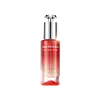
This brightening serum is formulated around Collagen Extract and Niacinamide to brighten dull-looking skin and soften the look of wrinkles.
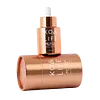
This anti-aging serum is formulated around Matrixyl 3000 and Hexapeptide-11 to soften the look of wrinkles.


What's inside
What's inside
 Key Ingredients
Benefits
Concerns
Ingredients Side-by-side
Water
Skin ConditioningGlycerin
Humectant


Butylene Glycol
Humectant
Caprylic/Capric Triglyceride
Masking
1,2-Hexanediol
Skin Conditioning
Pentylene Glycol
Skin Conditioning
Polyglycerin-3
Humectant
Chondrus Crispus Extract
Skin Conditioning
Saccharum Officinarum Extract
MoisturisingCastanea Sativa Seed Extract
Skin ConditioningVincetoxicum Atratum Extract
Skin ConditioningAlthaea Rosea Flower Extract
Skin ConditioningHaematococcus Pluvialis Extract
Antioxidant
Rosmarinus Officinalis Leaf Extract
AntimicrobialCollagen Extract
Skin Conditioning
Soluble Collagen
Humectant
Methyl Gluceth-20
Humectant
Glyceryl Polymethacrylate
Ammonium Polyacryloyldimethyl Taurate
Emulsion StabilisingAcrylates/C10-30 Alkyl Acrylate Crosspolymer
Emulsion StabilisingAminomethyl Propanediol
BufferingGellan Gum
Allantoin
Skin Conditioning
Panthenol
Skin Conditioning
Agar
MaskingEthylhexylglycerin
Skin ConditioningDipeptide-15
Skin Conditioning
Adenosine
Skin Conditioning
Pvm/Ma Copolymer
Emulsion StabilisingBeta-Glucan
Skin Conditioning
Nicotinamide Adenine Dinucleotide
Skin ConditioningCapryloyl Salicylic Acid
Exfoliating




Cyanocobalamin
Skin ConditioningHydrogenated Lecithin
Emulsifying
Cholesterol
Emollient
Ceramide NP
Skin Conditioning
Polyglyceryl-10 Laurate
Skin Conditioning

Tocopherol
Antioxidant

Oleic Acid
Emollient


Stearic Acid
Cleansing
Niacinamide
Smoothing

Glutathione
Ectoin
Skin Conditioning
Resveratrol
Antioxidant
Squalane
Emollient
Astaxanthin
Skin Conditioning
Ammonium Acryloyldimethyltaurate/Vp Copolymer
Hydroxyethylcellulose
Emulsion StabilisingPolyacrylate Crosspolymer-6
Emulsion StabilisingPropanediol
Solvent
Sodium DNA
Skin Conditioning
Arginine
Masking
Ascorbic Acid Polypeptide
Antioxidant
C12-13 Alketh-9
EmulsifyingSodium Hyaluronate Crosspolymer
Humectant
Caprylyl Glycol
Emollient
Elastin
Skin ConditioningHydroxyacetophenone
Antioxidant
Tripeptide-10 Citrulline
Skin Conditioning
Carbomer
Emulsion StabilisingDisodium EDTA
ChelatingXanthan Gum
EmulsifyingCaramel
Cosmetic ColorantWater, Glycerin, Butylene Glycol, Caprylic/Capric Triglyceride, 1,2-Hexanediol, Pentylene Glycol, Polyglycerin-3, Chondrus Crispus Extract, Saccharum Officinarum Extract, Castanea Sativa Seed Extract, Vincetoxicum Atratum Extract, Althaea Rosea Flower Extract, Haematococcus Pluvialis Extract, Rosmarinus Officinalis Leaf Extract, Collagen Extract, Soluble Collagen, Methyl Gluceth-20, Glyceryl Polymethacrylate, Ammonium Polyacryloyldimethyl Taurate, Acrylates/C10-30 Alkyl Acrylate Crosspolymer, Aminomethyl Propanediol, Gellan Gum, Allantoin, Panthenol, Agar, Ethylhexylglycerin, Dipeptide-15, Adenosine, Pvm/Ma Copolymer, Beta-Glucan, Nicotinamide Adenine Dinucleotide, Capryloyl Salicylic Acid, Cyanocobalamin, Hydrogenated Lecithin, Cholesterol, Ceramide NP, Polyglyceryl-10 Laurate, Tocopherol, Oleic Acid, Stearic Acid, Niacinamide, Glutathione, Ectoin, Resveratrol, Squalane, Astaxanthin, Ammonium Acryloyldimethyltaurate/Vp Copolymer, Hydroxyethylcellulose, Polyacrylate Crosspolymer-6, Propanediol, Sodium DNA, Arginine, Ascorbic Acid Polypeptide, C12-13 Alketh-9, Sodium Hyaluronate Crosspolymer, Caprylyl Glycol, Elastin, Hydroxyacetophenone, Tripeptide-10 Citrulline, Carbomer, Disodium EDTA, Xanthan Gum, Caramel







Alternatives
Ingredients Explained
These ingredients are found in both products.
Ingredients higher up in an ingredient list are typically present in a larger amount.
Allantoin is a soothing ingredient known for its protective and moisturizing properties; it's basically a quiet workhorse ingredient you can find in a huge range of cosmetics.
Though it can be derived from the comfrey plant, allantoin is produced synthetically for cosmetic products to ensure purity.
Research shows it can encourage your skin cells to turn over and renew by stimulating keratinocyte and fibroblast proliferation.
It also has mild keratolytic properties to help loosen and shed dead skin cells without being harsh.
Studies also suggest allantoin can help calm inflammation by dialing down some of the chemical signals your skin sends out when it is irritated.
This ingredient is typically used in the 0.1-0.5% range, and the FDA recognizes it as a skin protectant in OTC products up to 2%.
Overall, allantoin is a wonderful addition to most routines; it is stable across a wide pH range (~4-8), works well with other ingredients, and is considered non-sensitizing/non-irritating.
Fun fact: Allantoin is naturally occurring in comfrey root, beets, chamomile, and wheat sprouts. Our bodies even produce it as a byproduct of uric acid metabolism.
Learn more about AllantoinPanthenol is a common ingredient that helps hydrate and soothe the skin. It is found naturally in our skin and hair.
There are two forms of panthenol: D and L.
D-panthenol is also known as dexpanthenol. Most cosmetics use dexpanthenol or a mixture of D and L-panthenol.
Panthenol is famous due to its ability to go deeper into the skin's layers. Using this ingredient has numerous pros (and no cons):
Like hyaluronic acid, panthenol is a humectant. Humectants are able to bind and hold large amounts of water to keep skin hydrated.
This ingredient works well for wound healing. It works by increasing tissue in the wound and helps close open wounds.
Once oxidized, panthenol converts to pantothenic acid. Panthothenic acid is found in all living cells.
This ingredient is also referred to as pro-vitamin B5.
Learn more about PanthenolTocopherol is a fat-soluble antioxidant known as Vitamin E.
You'll find this ingredient in the vast majority of skincare (for good reason). It works to neutralize free radicals, or unstable molecules generated by UV exposure, pollution, and other environmental stressors, before they can cause oxidative damage to your skin cells.
Topically applied tocopherol has been shown to protect against UV damage by ramping up the skin's own natural defense enzymes.
It also acts as a skin conditioning agent; some studies show that regular topical use can improve the skin's water-binding capacity over 2-4 weeks.
This ingredient is especially loved for being a team player. When combined with Vitamin C, the photoprotective effect of both ingredients roughly doubles and the combo also helps reduce UV-induced DNA damage.
This ingredient has some brightening potential but it's more of a prevention ingredient than spot-fader. Cell studies show it can slow down melanin production but it's worth noting that it's not the most powerful brightener out there.
In formulations, it also serves as a stabilizer that helps protect other oxidation-prone ingredients from degrading.
Concentrations usually range from 0.1-1% in most leave-on products.
Learn more about Tocopherol

