Blue Lagoon Iceland BL+ The Serum Versus Farmacy Very Cherry Bright 15% Clean Vitamin C Serum with Acerola Cherry
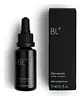
This serum is formulated around Ascorbyl Glucoside to brighten and soften signs of aging.
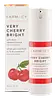
This brightening serum is formulated around 3-O-Ethyl Ascorbic Acid and Ascorbyl Tetraisopalmitate to brighten dull-looking skin and fade the look of dark spots.

What's inside
What's inside
 Key Ingredients
Benefits
Concerns
Ingredients Side-by-side
Sea Water
HumectantWater
Skin ConditioningGlycerin
Humectant


Propanediol
Solvent
Pentylene Glycol
Skin Conditioning
Ascorbyl Glucoside
Antioxidant



Sodium Hyaluronate
Humectant

Sodium Levulinate
Skin ConditioningSodium Anisate
AntimicrobialSodium Hydroxide
BufferingLecithin
Emollient
Biosaccharide Gum-1
Humectant
Algae Extract
Emollient

Silica
Abrasive


Glyceryl Caprylate
EmollientCitric Acid
Buffering

Tocopherol
Antioxidant

Water
Skin ConditioningGlycerin
Humectant
3-Glyceryl Ascorbate
Antioxidant
Prunus Cerasus Fruit Water
Emollient3-O-Ethyl Ascorbic Acid
Skin Conditioning
Sodium Citrate
BufferingPropanediol
Solvent
Malpighia Punicifolia Fruit Extract
Antioxidant
Ascorbyl Tetraisopalmitate
Antioxidant
Glucomannan
Skin ConditioningSodium Hyaluronate Crosspolymer
Humectant
Sodium Hyaluronate
Humectant
Hydrolyzed Sodium Hyaluronate
Skin Conditioning
Sodium Acetylated Hyaluronate
Humectant
Calendula Officinalis Flower Extract
Masking
Allantoin
Skin Conditioning
Hydrolyzed Plukenetia Volubilis Seed Extract
Emulsion StabilisingPhysalis Angulata Extract
Skin ProtectingSorbitol
Humectant
Sodium Phytate
ChelatingBiosaccharide Gum-1
Humectant
Prunus Amygdalus Dulcis Fruit Extract
Skin ConditioningOryza Sativa Bran Extract
Skin Conditioning
Helianthus Annuus Extract
Emollient
Simmondsia Chinensis Seed Oil
Emollient
Tocopherol
Antioxidant
Rosmarinus Officinalis Leaf Extract
AntimicrobialVanilla Planifolia Fruit Extract
Skin Conditioning
Glyceryl Caprylate
EmollientEthylhexylglycerin
Skin ConditioningCaprylyl Glyceryl Ether
CleansingSclerotium Gum
Emulsion StabilisingLithospermum Erythrorhizon Root Extract
Skin ConditioningCitric Acid
Buffering
Polyglyceryl-4 Caprate
EmulsifyingPentylene Glycol
Skin Conditioning
Polyglyceryl-6 Caprylate
EmulsifyingButylene Glycol
Humectant
Caprylic/Capric Triglyceride
Masking
Caprylhydroxamic Acid
ChelatingSodium Levulinate
Skin ConditioningSodium Anisate
AntimicrobialSodium Benzoate
Masking
Water, Glycerin, 3-Glyceryl Ascorbate, Prunus Cerasus Fruit Water, 3-O-Ethyl Ascorbic Acid, Sodium Citrate, Propanediol, Malpighia Punicifolia Fruit Extract, Ascorbyl Tetraisopalmitate, Glucomannan, Sodium Hyaluronate Crosspolymer, Sodium Hyaluronate, Hydrolyzed Sodium Hyaluronate, Sodium Acetylated Hyaluronate, Calendula Officinalis Flower Extract, Allantoin, Hydrolyzed Plukenetia Volubilis Seed Extract, Physalis Angulata Extract, Sorbitol, Sodium Phytate, Biosaccharide Gum-1, Prunus Amygdalus Dulcis Fruit Extract, Oryza Sativa Bran Extract, Helianthus Annuus Extract, Simmondsia Chinensis Seed Oil, Tocopherol, Rosmarinus Officinalis Leaf Extract, Vanilla Planifolia Fruit Extract, Glyceryl Caprylate, Ethylhexylglycerin, Caprylyl Glyceryl Ether, Sclerotium Gum, Lithospermum Erythrorhizon Root Extract, Citric Acid, Polyglyceryl-4 Caprate, Pentylene Glycol, Polyglyceryl-6 Caprylate, Butylene Glycol, Caprylic/Capric Triglyceride, Caprylhydroxamic Acid, Sodium Levulinate, Sodium Anisate, Sodium Benzoate
Ingredients Explained
These ingredients are found in both products.
Ingredients higher up in an ingredient list are typically present in a larger amount.
Biosaccharide Gum-1 is a sugar created by fermenting sorbitol (which usually comes from potato starch!). It is known for its soothing and moisturizing properties.
Manufacturer tests show this ingredient helped reduce irritation from lactic acid by almost half and kept skin hydrated long-term as a humectant
Beyond hydration, Biosaccharide Gum-1 gives formulas a silky, non-sticky feel.
This ingredient is gentle, versatile, and suitable for all skin types.
Fun fact: Similar sugars can be found naturally in fruits like apples and pears.
Learn more about Biosaccharide Gum-1Citric Acid is an alpha hydroxy acid (AHA) naturally found in citrus fruits like oranges, lemons, and limes.
Like other AHAs, citric acid can exfoliate skin by breaking down the bonds that hold dead skin cells together. This helps reveal smoother and brighter skin underneath.
However, this exfoliating effect only happens at high concentrations (20%) which can be hard to find in cosmetic products.
Due to this, citric acid is usually included in small amounts as a pH adjuster. This helps keep products slightly more acidic and compatible with skin's natural pH.
In skincare formulas, citric acid can:
While it can provide some skin benefits, research shows lactic acid and glycolic acid are generally more effective and less irritating exfoliants.
Most citric acid used in skincare today is made by fermenting sugars (usually from molasses). This synthetic version is identical to the natural citrus form but easier to stabilize and use in formulations.
Rosacea skin has a lower threshold for acids generally, with 62.5% of rosacea subjects in one study reacting to lactic acid in a sting test. This is why we mark citric acid as a potential rosacea trigger.
However, this ingredient shows up as a pH adjuster or chelator at roughly 0.1-1% in many products. These low levels are unlikely to be an issue for rosacea skin and becomes a potential trigger at exfoliating concentrations (20%). Because everybody's skin is unique, we recommend a patch test if you are unsure.
Learn more about Citric AcidGlycerin (or glycerol) is a compound naturally found in your skin. It's a powerhouse humectant that pulls water into the stratum corneum.
Topically, glycerin does several things at once:
Your skin makes glycerin on its own (mostly from sebaceous oil breakdown) and shuttles it to your outermost layer of skin, or your epidermis, via aquaporin-3.
Aquaporin-3 is a transporter that is essential for normal skin hydration, elasticity, and repair. Interestingly, mice lacking in AQP3 have dry and less elastic skin that can be fully corrected with glycerin.
This ingredient is non-irritating, plays well with almost every ingredient, and works across all skin types. Typical use is anywhere between 3-10% but can go up to 79% in some leave-on products.
Just know very high concentrations (>40%) can feel tacky in low humidity.
Glycerin is the name for this ingredient in American English. British English uses Glycerol/Glycerine.
Learn more about GlycerinGlyceryl Caprylate comes from glycerin and caprylic acid. It is an emollient, co-emulsifier, and preservative booster.
Its short C8 fatty acid chain makes it behave differently from its longer-chain emollient cousins like Glyceryl Stearate. It feels more lightweight, fast-absorbing, and silky instead of rich and waxy.
As a co-emulsifier, its "head" and "tail" sit at the oil-water interface. But overall, the short C8 tail and not being water soluble means it doesn't really have the muscle to emulsify a formula on its own. That's why you'll often see it paired with a primary emulsifier like Cetearyl Glucoside.
Interestingly, Glyceryl Caprylate acts as a preservative booster. This is because its fatty-acid backbone disrupts microbial lipid membranes. It shows excellent activity against bacteria and yeast but is weaker against mold.
Typical concentrations range from 0.5-1% and this ingredient is generally non-irritating.
Because this ingredient has a C8 fatty acid chain, it is outside the range that the Malassezia yeast metabolizes (making it fungal acne safe).
Learn more about Glyceryl CaprylatePentylene Glycol (1,2-pentanediol) is a multitasking little diol with three main roles in a formula:
Research on alkanediols (the family pentylene glycol belongs to) show they work by disrupting microbial cell membranes. This disruption helps the primary preservative system in a product work more effectively at lower doses.
On the safety side, the Cosmetic Ingredient Review Expert Panel has concluded this ingredient to be safe as used in current cosmetic practices + concentrations.
Typical use levels in a formula run about 1-5%.
Learn more about Pentylene GlycolPropanediol is an all-star ingredient. It softens, hydrates, and smooths the skin.
It’s often used to:
Propanediol is not likely to cause sensitivity and considered safe to use. It is derived from corn or petroleum with a clear color and no scent.
Learn more about PropanediolSodium Anisate comes from fennel. It is used as a preservative and to add flavoring.
Sodium Anisate has antimicrobial properties.
Sodium Hyaluronate is the salt form of hyaluronic acid. It is a long sugar chain that is naturally found in your skin, joints, and connective tissue that maintains hydration and elasticity.
In skincare, it works as a humectant. It pulls water from the environment and deeper layers of skin and binds it to the surface.
Interestingly, the size of the molecule affects its behavior:
Some clinical evidence links low molecular weight versions to improved wrinkle depth, elasticity, anti-inflammatory effects, and barrier repair.
Many serums use a blend of both weights so you can get surface hydration plus longer-lasting and deeper effects.
You'll typically see concentrations between 0.1-2% for this ingredient.
Learn more about Sodium HyaluronateSodium levulinate is the a sodium salt of Levulinic Acid. Oncedissolved in an aqueous solution, the two ingredients become identical. It is usually derived from renewable plant sources like corn starch or sugarcane.
In skincare, it mostly acts as a skin conditioning agent that keeps skin soft and hydrated. It also acts as a preservative booster by inhibiting the growth of mold, yeast, and bacteria.
It's often paired with Sodium Anisate as the two create a broad-spectrum preservative system that is popular in "natural" formulations.
This ingredient is water-soluble.
The CIR Expert Panel for Cosmetic Ingredient Safety has concluded this ingredient to be non-irritated and there are no restrictions for use in EU cosmetics. The FDA also allows this ingredient to be used as a food-grade flavoring agent.
Learn more about Sodium LevulinateTocopherol is a fat-soluble antioxidant known as Vitamin E.
You'll find this ingredient in the vast majority of skincare (for good reason). It works to neutralize free radicals, or unstable molecules generated by UV exposure, pollution, and other environmental stressors, before they can cause oxidative damage to your skin cells.
Topically applied tocopherol has been shown to protect against UV damage by ramping up the skin's own natural defense enzymes.
It also acts as a skin conditioning agent; some studies show that regular topical use can improve the skin's water-binding capacity over 2-4 weeks.
This ingredient is especially loved for being a team player. When combined with Vitamin C, the photoprotective effect of both ingredients roughly doubles and the combo also helps reduce UV-induced DNA damage.
This ingredient has some brightening potential but it's more of a prevention ingredient than spot-fader. Cell studies show it can slow down melanin production but it's worth noting that it's not the most powerful brightener out there.
In formulations, it also serves as a stabilizer that helps protect other oxidation-prone ingredients from degrading.
Concentrations usually range from 0.1-1% in most leave-on products.
Learn more about TocopherolWater. It's the most common cosmetic ingredient of all. You'll usually see it at the top of ingredient lists, meaning that it makes up the largest part of the product.
So why is it so popular? Water most often acts as a solvent - this means that it helps dissolve other ingredients into the formulation.
You'll also recognize water as that liquid we all need to stay alive. If you see this, drink a glass of water. Remember to stay hydrated!
Learn more about Water

