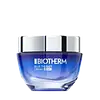
This anti-aging night moisturizer is formulated around Adenosine and Vitreoscilla Ferment to soften the look of wrinkles.
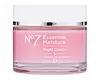
This barrier-repair night moisturizer is formulated around Oenothera Biennis Oil to strengthen the skin barrier.


What's inside
What's inside
 Key Ingredients
Benefits
Concerns
Ingredients Side-by-side
Water
Skin ConditioningHydrogenated Polyisobutene
EmollientGlycerin
Humectant


Butylene Glycol
Humectant
Dimethicone
Emollient
Cetyl Alcohol
Emollient



Glyceryl Stearate
Emollient
Zea Mays Starch
Absorbent
Elaeis Guineensis Oil
Emollient


Paraffinum Liquidum
Emollient

PEG-100 Stearate
Surfactant
Cera Alba
Emollient
Sorbitol
Humectant
Myristyl Myristate
Emollient
Zea Mays Oil
Emulsifying
PEG-14m
Emulsion StabilisingCera Microcristallina
Emulsion StabilisingParaffin
Skin Conditioning
Algae
Skin Conditioning
Sorbitan Tristearate
EmulsifyingGlyceryl Acrylate/Acrylic Acid Copolymer
HumectantDimethyl Isosorbide
SolventIsohexadecane
EmollientLaminaria Ochroleuca Extract
Skin Conditioning

Sodium Hydroxide
BufferingMoringa Oleifera Seed Extract
Skin Conditioning
2-Oleamido-1,3-Octadecanediol
Skin ConditioningPhenoxyethanol
Preservative
Prunus Armeniaca Kernel Oil
Masking
Adenosine
Skin Conditioning
Chlorphenesin
Antimicrobial
Disodium EDTA
ChelatingPropylene Glycol
Humectant
Hydroxypropyl Tetrahydropyrantriol
Skin ConditioningCapryloyl Salicylic Acid
Exfoliating



Vitreoscilla Ferment
Skin Conditioning
Passiflora Edulis Seed Oil
Emollient
Xanthan Gum
EmulsifyingMaltitol
HumectantPentaerythrityl Tetra-Di-T-Butyl Hydroxyhydrocinnamate
Antioxidant
Octyldodecanol
Emollient
Acrylamide/Sodium Acryloyldimethyltaurate Copolymer
Emulsion StabilisingPolysorbate 80
Emulsifying
Oryza Sativa Bran Oil
Emollient
Parfum
Masking
Water, Hydrogenated Polyisobutene, Glycerin, Butylene Glycol, Dimethicone, Cetyl Alcohol, Glyceryl Stearate, Zea Mays Starch, Elaeis Guineensis Oil, Paraffinum Liquidum, PEG-100 Stearate, Cera Alba, Sorbitol, Myristyl Myristate, Zea Mays Oil, PEG-14m, Cera Microcristallina, Paraffin, Algae, Sorbitan Tristearate, Glyceryl Acrylate/Acrylic Acid Copolymer, Dimethyl Isosorbide, Isohexadecane, Laminaria Ochroleuca Extract, Sodium Hydroxide, Moringa Oleifera Seed Extract, 2-Oleamido-1,3-Octadecanediol, Phenoxyethanol, Prunus Armeniaca Kernel Oil, Adenosine, Chlorphenesin, Disodium EDTA, Propylene Glycol, Hydroxypropyl Tetrahydropyrantriol, Capryloyl Salicylic Acid, Vitreoscilla Ferment, Passiflora Edulis Seed Oil, Xanthan Gum, Maltitol, Pentaerythrityl Tetra-Di-T-Butyl Hydroxyhydrocinnamate, Octyldodecanol, Acrylamide/Sodium Acryloyldimethyltaurate Copolymer, Polysorbate 80, Oryza Sativa Bran Oil, Parfum
Water
Skin ConditioningParaffinum Liquidum
Emollient
PPG-15 Stearyl Ether
EmollientCetearyl Alcohol
Emollient
Butylene Glycol
Humectant
Paraffin
Skin Conditioning
Glyceryl Stearate
Emollient
Glycerin
Humectant
Dimethicone
Emollient
PEG-20 Stearate
Emulsifying
Oenothera Biennis Oil
Emollient
Tocopheryl Acetate
Antioxidant

Cera Microcristallina
Emulsion StabilisingXanthan Gum
EmulsifyingPropylene Glycol
Humectant
Methylparaben
Preservative

Propylparaben
Preservative
Sodium Lactate
Buffering
Tetrasodium EDTA
ChelatingSambucus Nigra Flower Extract
RefreshingLactic Acid
Buffering

2-Bromo-2-Nitropropane-1,3-Diol
Preservative
BHT
Antioxidant
Sorbitol
Humectant
CI 14700
Cosmetic ColorantCI 42090
Cosmetic ColorantWater, Paraffinum Liquidum, PPG-15 Stearyl Ether, Cetearyl Alcohol, Butylene Glycol, Paraffin, Glyceryl Stearate, Glycerin, Dimethicone, PEG-20 Stearate, Oenothera Biennis Oil, Tocopheryl Acetate, Cera Microcristallina, Xanthan Gum, Propylene Glycol, Methylparaben, Propylparaben, Sodium Lactate, Tetrasodium EDTA, Sambucus Nigra Flower Extract, Lactic Acid, 2-Bromo-2-Nitropropane-1,3-Diol, BHT, Sorbitol, CI 14700, CI 42090
Ingredients Explained
These ingredients are found in both products.
Ingredients higher up in an ingredient list are typically present in a larger amount.
Butylene Glycol (or BG) is used within cosmetic products for a few different reasons:
Overall, Butylene Glycol is a safe and well-rounded ingredient that works well with other ingredients.
Though this ingredient works well with most skin types, some people with sensitive skin may experience a reaction such as allergic rashes, closed comedones, or itchiness.
Learn more about Butylene GlycolCera Microcristallina, aka microcrystalline wax, is a petroleum-derived wax that helps thicken texture and stabilize the oils in formulas.
It also has mild occlusive properties that creates a film on skin to slow down water loss.
The CIR Expert Panel has concluded this ingredient to be safe as used in cosmetics.
This ingredient is refined to a cosmetic grade with high purity. It is chemically inert, stable, and doesn't clog pores (petroleum has a comedogenic rating of 0).
Malassezia feeds on fatty acids roughly in the C11-24 range and this ingredient contains none of those. Since there's no plausible food source for it here, this ingredient is fungal acne safe.
Learn more about Cera MicrocristallinaDimethicone is a type of synthetic silicone created from natural materials such as quartz. It is also known as polydimethylsiloxane.
What it does:
Dimethicone comes in different viscosities:
Depending on the viscosity, dimethicone has different properties.
Ingredients lists don't always show which type is used, so we recommend reaching out to the brand if you have questions about the viscosity.
This ingredient is unlikely to cause irritation because it does not get absorbed into skin. However, people with silicone allergies should be careful about using this ingredient.
Note: Dimethicone may contribute to pilling. This is because it is not oil or water soluble, so pilling may occur when layered with products. When mixed with heavy oils in a formula, the outcome is also quite greasy.
Learn more about DimethiconeGlycerin (or glycerol) is a compound naturally found in your skin. It's a powerhouse humectant that pulls water into the stratum corneum.
Topically, glycerin does several things at once:
Your skin makes glycerin on its own (mostly from sebaceous oil breakdown) and shuttles it to your outermost layer of skin, or your epidermis, via aquaporin-3.
Aquaporin-3 is a transporter that is essential for normal skin hydration, elasticity, and repair. Interestingly, mice lacking in AQP3 have dry and less elastic skin that can be fully corrected with glycerin.
This ingredient is non-irritating, plays well with almost every ingredient, and works across all skin types. Typical use is anywhere between 3-10% but can go up to 79% in some leave-on products.
Just know very high concentrations (>40%) can feel tacky in low humidity.
Glycerin is the name for this ingredient in American English. British English uses Glycerol/Glycerine.
Learn more about GlycerinGlyceryl Stearate is made by reacting glycerin with stearic acid (typically sourced from plant oils like palm or coconut). It's an emulsifier, emollient, and mild occlusive.
Emulsifiers help ingredients like oil and water stay mixed so your formula stays nicely blended and uniform in texture.
This ingredient is typically used in concentrations between 1-10%. Studies have found it to be non-sensitizing, non-phototoxic, and non-photoallergenic.
A close cousin of this ingredient is Glyceryl Stearate SE ("self-emulsifying"). This just has a small amount of sodium or potassium stearate added so it can emulsify without a co-emulsifier.
Since this ingredient is an ester of a C18 fatty acid, it may not be fungal acne safe. The Malassezia yeast can potentially metabolize within the C11-C24 range.
Fun fact: The human body also creates Glyceryl Stearate naturally.
Learn more about Glyceryl StearateParaffin is a solid wax that pulls its weight as an emollient, occlusive, and consistency-booster.
It softens skin and lays down a protective film to slow water loss and gives products a stable body and structure.
The cosmetic grade stuff is highly refined with a solid safety record. The CIR Expert Panel has repeatedly reaffirmed this ingredient to be safe in current practices of use and concentration.
The worry about carcinogenic compounds only applies to industrial grades, not the purified version used in skincare.
Despite its reputation, the highly reformed form is non-comedogenic and doesn't penetrate deeply into skin.
The good news for fungal-acne prone folks: the Malassezia yeast feeds on fatty acids and lipids and paraffin doesn't contain any of these (so there's nothing for the yeast to metabolize). This ingredient is considered fungal acne safe.
Learn more about ParaffinParaffinum Liquidum is a highly-refined cosmetic-grade mineral oil. It is also known as liquid paraffin.
Despite its controversial reputation, the science is pretty clear: it's one of the most well-studied and effective moisturizing ingredients out there.
As an occlusive, it forms a protective layer on the skin that locks in moisture and prevents transepidermal water loss (TEWL). This makes it especially great for compromised skin barriers.
The "it clogs your pores" myth has been around for decades; a study found that industrial-grade mineral oil may be comedogenic but cosmetic-grade mineral oil is not (these two are very, very different).
A 2017 review concluded that cosmetic use of mineral oils and waxes does not present a risk to consumers due to absorption.
Mineral oil got a bad rap from the old rabbit ear studies. When tested on actual human skin, cosmetic-grade mineral oil showed no comedogenic activity. The rating of 0 is a correction of outdated science.
Mineral oil is an inert substance with no fatty acids so there's nothing to feed Malassezia. This ingredient is fungal acne safe.
Learn more about Paraffinum LiquidumPropylene Glycol is a synthetic, colorless, odorless liquid that has been a staple in cosmetics for decades. It is a skin conditioning agent, humectant, and solvent.
As a humectant, it draw water to the skin to reduce flaking and restore suppleness. It's also a solvent that helps dissolve other actives and keeps formulas stable across temperature changes.
The CIR Expert Panel has confirmed this ingredient to be nontoxic and clinical studies show no sensitization at cosmetic use concentrations.
True allergic reactions are quite rare: a 15-year retrospective study of 6,751 patients found only 0.31% had a positive reaction (and less than half were considered clinically relevant).
It seemed that when sensitization does occur, it's most commonly linked to topical medication (like corticosteroids) and not cosmetics. Allergic contact dermatitis also appears largely limited to individuals with underlying skin conditions.
Overall, propylene glycol is a well-studied ingredient that most people can tolerate without issue.
Learn more about Propylene GlycolSorbitol is a sugar alcohol. It is a hydrating and moisturizing agent created from the reduction process of glucose.
Most sorbitol is usually made from potato starch. It is also found in fruits such as apples and pears.
As a humectant, Sorbitol helps draw water to the skin. This helps keep the skin hydrated. Sorbitol also helps create a thicker texture in products. You might find sorbitol in your toothpaste and other gels.
It is a non-irritating ingredient that is great for those with dry skin.
Sorbitol is a prebiotic. It helps promote the growth of healthy bacteria on your skin. The bacteria on your skin form a microbiome. This microbiome helps protect your skin from infection and harmful bacteria.
Learn more about SorbitolWater. It's the most common cosmetic ingredient of all. You'll usually see it at the top of ingredient lists, meaning that it makes up the largest part of the product.
So why is it so popular? Water most often acts as a solvent - this means that it helps dissolve other ingredients into the formulation.
You'll also recognize water as that liquid we all need to stay alive. If you see this, drink a glass of water. Remember to stay hydrated!
Learn more about WaterXanthan gum is used as a stabilizer and thickener within cosmetic products. It helps give products a sticky, thick feeling - preventing them from being too runny.
On the technical side of things, xanthan gum is a polysaccharide - a combination consisting of multiple sugar molecules bonded together.
Xanthan gum is a pretty common and great ingredient. It is a natural, non-toxic, non-irritating ingredient that is also commonly used in food products.
Learn more about Xanthan Gum

