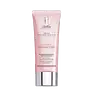
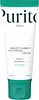
BioNike Defense Hydractive Mattifying Moisturizing Fluid Versus PURITO Mighty Bamboo Panthenol Cream
This oil-control moisturizer is formulated around Nylon-12 and Sodium Hyaluronate to balance excess oil and hydrate skin.
This barrier-repair moisturizer is formulated around Panthenol and Niacinamide to strengthen the skin barrier and calm redness.


What's inside
What's inside
 Key Ingredients
Benefits
Concerns
Ingredients Side-by-side
Water
Skin ConditioningIsododecane
EmollientEthylhexyl Palmitate
Emollient




C12-15 Alkyl Benzoate
AntimicrobialGlyceryl Stearate
Emollient
Glycerin
Humectant


Pentylene Glycol
Skin Conditioning
PEG-100 Stearate
Surfactant
Nylon-6
Cyclopentasiloxane
Emollient
Caprylyl Glycol
Emollient
Butyrospermum Parkii Butter
Skin Conditioning
Isononyl Isononanoate
EmollientCetearyl Alcohol
Emollient
Nylon-12


Propanediol
Solvent
Acrylates/C10-30 Alkyl Acrylate Crosspolymer
Emulsion StabilisingButylene Glycol
Humectant
Polymethylsilsesquioxane
Carnosine
Skin Conditioning
Hdi/Trimethylol Hexyllactone Crosspolymer
Caprylic/Capric Triglyceride
Masking
Arginine
Masking
Ammonium Acryloyldimethyltaurate/Vp Copolymer
Pistacia Lentiscus Gum
MaskingPicea Abies Extract
Skin ConditioningCistus Incanus Flower/Leaf/Stem Extract
Skin ConditioningGynostemma Pentaphyllum Leaf/Stem Extract
Antioxidant
Glutamine
Skin ConditioningSodium Hyaluronate
Humectant

Hydrolyzed Hyaluronic Acid
Humectant
Hyaluronic Acid
Humectant
Citric Acid
Buffering

Alteromonas Ferment Filtrate
HumectantCaprylhydroxamic Acid
ChelatingSodium Hydroxide
BufferingDecyl Glucoside
Cleansing
Ethylhexylglycerin
Skin ConditioningTrihydroxystearin
Skin Conditioning
Glucomannan
Skin ConditioningHydrogenated Lecithin
Emulsifying
Trisodium Ethylenediamine Disuccinate
ChelatingWater, Isododecane, Ethylhexyl Palmitate, C12-15 Alkyl Benzoate, Glyceryl Stearate, Glycerin, Pentylene Glycol, PEG-100 Stearate, Nylon-6, Cyclopentasiloxane, Caprylyl Glycol, Butyrospermum Parkii Butter, Isononyl Isononanoate, Cetearyl Alcohol, Nylon-12, Propanediol, Acrylates/C10-30 Alkyl Acrylate Crosspolymer, Butylene Glycol, Polymethylsilsesquioxane, Carnosine, Hdi/Trimethylol Hexyllactone Crosspolymer, Caprylic/Capric Triglyceride, Arginine, Ammonium Acryloyldimethyltaurate/Vp Copolymer, Pistacia Lentiscus Gum, Picea Abies Extract, Cistus Incanus Flower/Leaf/Stem Extract, Gynostemma Pentaphyllum Leaf/Stem Extract, Glutamine, Sodium Hyaluronate, Hydrolyzed Hyaluronic Acid, Hyaluronic Acid, Citric Acid, Alteromonas Ferment Filtrate, Caprylhydroxamic Acid, Sodium Hydroxide, Decyl Glucoside, Ethylhexylglycerin, Trihydroxystearin, Glucomannan, Hydrogenated Lecithin, Trisodium Ethylenediamine Disuccinate
Water
Skin ConditioningPanthenol 10%
Skin Conditioning
Squalane
Emollient
Butylene Glycol
Humectant
1,2-Hexanediol
Skin Conditioning
Niacinamide
Smoothing




Bambusa Vulgaris Extract
Skin Conditioning
Hydrolyzed Jojoba Esters
Skin Conditioning
Acrylates/C10-30 Alkyl Acrylate Crosspolymer
Emulsion StabilisingAmmonium Acryloyldimethyltaurate/Vp Copolymer
Hydroxyacetophenone
Antioxidant
Tromethamine
BufferingDipotassium Glycyrrhizate
Humectant
Ethylhexylglycerin
Skin ConditioningXanthan Gum
EmulsifyingDisodium EDTA
ChelatingSodium Hyaluronate
Humectant
Madecassoside
Antioxidant
Asiaticoside
Antioxidant
Asiatic Acid
Skin Conditioning
Madecassic Acid
Skin Conditioning
Copper Tripeptide-1
Skin Conditioning
Water, Panthenol 10%, Squalane, Butylene Glycol, 1,2-Hexanediol, Niacinamide, Bambusa Vulgaris Extract, Hydrolyzed Jojoba Esters, Acrylates/C10-30 Alkyl Acrylate Crosspolymer, Ammonium Acryloyldimethyltaurate/Vp Copolymer, Hydroxyacetophenone, Tromethamine, Dipotassium Glycyrrhizate, Ethylhexylglycerin, Xanthan Gum, Disodium EDTA, Sodium Hyaluronate, Madecassoside, Asiaticoside, Asiatic Acid, Madecassic Acid, Copper Tripeptide-1
Reviews
Ingredients Explained
These ingredients are found in both products.
Ingredients higher up in an ingredient list are typically present in a larger amount.
Acrylates/C10-30 Alkyl Acrylate Crosspolymer is a synthetic polymer. It is used to thicken, emulsify, and improve the texture of products.
As an emulsifier, it helps stabilize oil-in-water emulsions to give products an elegant feel when applied.
It can also form a thin protective film on skin. One study found that a formula using this polymer helped slow down how quickly other ingredients (like DEET) were absorbed through skin.
A 2024 study of over 1,300 patients confirmed that sensitization to this ingredient is rare. It is also non-mutagenic and has a clean track record.
Learn more about Acrylates/C10-30 Alkyl Acrylate CrosspolymerAmmonium Acryloyldimethyltaurate/Vp Copolymer is a synthetically created polymer. It's used as a film-forming agent and used to thicken the consistency of products.
Think of it as a supportive ingredient that helps your gel-creams feel silky, "cloud cream-like", and spread evenly without being greasy.
The Cosmetic Ingredient Review (CIR) Expert Panel evaluated it (along with 22 other acryloyldimethyltaurate polymers) and concluded it's:
Due to its large molecular size, it sits on the surface of skin rather than penetrating it.
Learn more about Ammonium Acryloyldimethyltaurate/Vp CopolymerButylene Glycol (or BG) is used within cosmetic products for a few different reasons:
Overall, Butylene Glycol is a safe and well-rounded ingredient that works well with other ingredients.
Though this ingredient works well with most skin types, some people with sensitive skin may experience a reaction such as allergic rashes, closed comedones, or itchiness.
Learn more about Butylene GlycolEthylhexylglycerin is created from glycerin. It is a multitasker ingredient that:
The CIR Expert Panel found minimal skin absorption or sensitization of any kind in a safety assessment. Though this ingredient is considered well-tolerated, a small number of cases of allergic dermatitis have been published since 2002. Just be sure to patch test if you are unsure.
Industry-reported use ranges from 8% in rinse-off products and 2% in leave-on formulations.
Learn more about EthylhexylglycerinSodium Hyaluronate is the salt form of hyaluronic acid. It is a long sugar chain that is naturally found in your skin, joints, and connective tissue that maintains hydration and elasticity.
In skincare, it works as a humectant. It pulls water from the environment and deeper layers of skin and binds it to the surface.
Interestingly, the size of the molecule affects its behavior:
Some clinical evidence links low molecular weight versions to improved wrinkle depth, elasticity, anti-inflammatory effects, and barrier repair.
Many serums use a blend of both weights so you can get surface hydration plus longer-lasting and deeper effects.
You'll typically see concentrations between 0.1-2% for this ingredient.
Learn more about Sodium HyaluronateWater. It's the most common cosmetic ingredient of all. You'll usually see it at the top of ingredient lists, meaning that it makes up the largest part of the product.
So why is it so popular? Water most often acts as a solvent - this means that it helps dissolve other ingredients into the formulation.
You'll also recognize water as that liquid we all need to stay alive. If you see this, drink a glass of water. Remember to stay hydrated!
Learn more about Water

