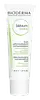
This barrier-repair moisturizer is formulated around Glycyrrhetinic Acid and Allantoin to strengthen the skin barrier and hydrate skin.
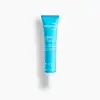
This barrier-repair moisturizer is formulated around Niacinamide and Saccharide Isomerate to strengthen the skin barrier and hydrate skin.

What's inside
What's inside
 Key Ingredients
Benefits
Concerns
Ingredients Side-by-side
Water
Skin ConditioningGlycerin
Humectant


Paraffinum Liquidum
Emollient


Ethylhexyl Palmitate
Emollient



Dipropylene Glycol
HumectantXylitol
Humectant
Bis-PEG/PPG-16/16 PEG/PPG-16/16 Dimethicone
Emollient
Sodium Acrylate/Sodium Acryloyldimethyl Taurate Copolymer
Emulsion StabilisingIsohexadecane
EmollientCaprylic/Capric Triglyceride
Masking
Glycyrrhetinic Acid
Skin Conditioning
Tocopheryl Acetate
Antioxidant


Polysorbate 80
Emulsifying
Disodium EDTA
ChelatingAllantoin
Skin Conditioning
Fructooligosaccharides
Humectant
Mannitol
Humectant
Propylene Glycol
Humectant
Cetrimonium Bromide
Antimicrobial
Ceramide NP
Skin Conditioning

Rhamnose
HumectantGinkgo Biloba Leaf Extract
Skin Conditioning
Dodecyl Gallate
Antioxidant
Laminaria Ochroleuca Extract
Skin Conditioning
Parfum
Masking

Water, Glycerin, Paraffinum Liquidum, Ethylhexyl Palmitate, Dipropylene Glycol, Xylitol, Bis-PEG/PPG-16/16 PEG/PPG-16/16 Dimethicone, Sodium Acrylate/Sodium Acryloyldimethyl Taurate Copolymer, Isohexadecane, Caprylic/Capric Triglyceride, Glycyrrhetinic Acid, Tocopheryl Acetate, Polysorbate 80, Disodium EDTA, Allantoin, Fructooligosaccharides, Mannitol, Propylene Glycol, Cetrimonium Bromide, Ceramide NP, Rhamnose, Ginkgo Biloba Leaf Extract, Dodecyl Gallate, Laminaria Ochroleuca Extract, Parfum
Water
Skin ConditioningArachidyl Alcohol
Emollient
Arachidyl Glucoside
EmulsifyingBehenyl Alcohol
Emollient
Brassica Campestris Sterols
EmollientC10-18 Triglycerides
Emollient
Caprylyl Glycol
Emollient
Carbomer
Emulsion StabilisingCetyl Palmitate
Emollient
Citric Acid
Buffering
Parfum
Masking
Fructooligosaccharides
Humectant
Glycerin
Humectant
Glyceryl Behenate
Emollient
Glyceryl Caprylate/Caprate
EmollientHelianthus Annuus Seed Wax
Skin Conditioning
Hexyldecanol
Emollient
Lauroyl Lysine
Skin Conditioning
Mannitol
Humectant
Niacinamide
Smoothing




Pentaerythrityl Tetra-Di-T-Butyl Hydroxyhydrocinnamate
Antioxidant
Pentylene Glycol
Skin Conditioning
Polyglyceryl-3 Methylglucose Distearate
Emulsifying
Propylene Glycol
Humectant
Pyrus Malus Seed Extract
Skin ConditioningRhamnose
HumectantSaccharide Isomerate
Humectant
Sodium Citrate
BufferingSodium Hyaluronate
Humectant
Sodium Hydroxide
BufferingSodium PCA
Humectant
Squalane
Emollient
Tocopherol
Antioxidant
Tridecyl Trimellitate
EmollientTriethylhexanoin
MaskingXylitol
Humectant
Water, Arachidyl Alcohol, Arachidyl Glucoside, Behenyl Alcohol, Brassica Campestris Sterols, C10-18 Triglycerides, Caprylyl Glycol, Carbomer, Cetyl Palmitate, Citric Acid, Parfum, Fructooligosaccharides, Glycerin, Glyceryl Behenate, Glyceryl Caprylate/Caprate, Helianthus Annuus Seed Wax, Hexyldecanol, Lauroyl Lysine, Mannitol, Niacinamide, Pentaerythrityl Tetra-Di-T-Butyl Hydroxyhydrocinnamate, Pentylene Glycol, Polyglyceryl-3 Methylglucose Distearate, Propylene Glycol, Pyrus Malus Seed Extract, Rhamnose, Saccharide Isomerate, Sodium Citrate, Sodium Hyaluronate, Sodium Hydroxide, Sodium PCA, Squalane, Tocopherol, Tridecyl Trimellitate, Triethylhexanoin, Xylitol
Reviews
Ingredients Explained
These ingredients are found in both products.
Ingredients higher up in an ingredient list are typically present in a larger amount.
Fructooligosaccharides (FOS) are a type of prebiotic sugar with humectant and skin conditioning properties. As a humectant, they help attract and hold moisture in the skin.
FOS essentially acts as a food source for the "good" bacteria on your skin and make it harder for "bad" bacteria to thrive. A 2022 study using a reconstructured human skin model found that just 1% of FOS was enough to shift the bacteria balance in favor of beneficial species. This suggests it could help support a healthier skin microbiome over time.
This ingredient has a low sensitization risk and testing shows it does not classify as a skin irritant or sensitizer.
FOS are usually produced from sugar beets and can also be found in foods like bananas, garlic, and onions.
Learn more about FructooligosaccharidesGlycerin (or glycerol) is a compound naturally found in your skin. It's a powerhouse humectant that pulls water into the stratum corneum.
Topically, glycerin does several things at once:
Your skin makes glycerin on its own (mostly from sebaceous oil breakdown) and shuttles it to your outermost layer of skin, or your epidermis, via aquaporin-3.
Aquaporin-3 is a transporter that is essential for normal skin hydration, elasticity, and repair. Interestingly, mice lacking in AQP3 have dry and less elastic skin that can be fully corrected with glycerin.
This ingredient is non-irritating, plays well with almost every ingredient, and works across all skin types. Typical use is anywhere between 3-10% but can go up to 79% in some leave-on products.
Just know very high concentrations (>40%) can feel tacky in low humidity.
Glycerin is the name for this ingredient in American English. British English uses Glycerol/Glycerine.
Learn more about GlycerinMannitol is a sugar alcohol. It is a humectant and moisturizes the skin. In vitro (not tested on a living organism), mannitol displays antioxidant properties.
When found in aqueous solutions, mannitol tends to become acidic. This is because it loses a hydrogen ion. This is why mannitol can often be found with pH adjusting ingredients, such as sodium bicarbonate.
Fun fact: Mannitol can be found in foods as a sweetener. It can be naturally found in mushrooms, algae, fruits, and veggies.
Learn more about MannitolParfum is a catch-all term for an ingredient or more that is used to give a scent to products.
Also called "fragrance", this ingredient can be a blend of hundreds of chemicals or plant oils. This means every product with "fragrance" or "parfum" in the ingredients list is a different mixture.
For instance, Habanolide is a proprietary trade name for a specific aroma chemical. When used as a fragrance ingredient in cosmetics, most aroma chemicals fall under the broad labeling category of “FRAGRANCE” or “PARFUM” according to EU and US regulations.
The term 'parfum' or 'fragrance' is not regulated in many countries. In many cases, it is up to the brand to define this term.
For instance, many brands choose to label themselves as "fragrance-free" because they are not using synthetic fragrances. However, their products may still contain ingredients such as essential oils that are considered a fragrance by INCI standards.
One example is Calendula flower extract. Calendula is an essential oil that still imparts a scent or 'fragrance'.
Depending on the blend, the ingredients in the mixture can cause allergies and sensitivities on the skin. Some ingredients that are known EU allergens include linalool and citronellol.
Parfum can also be used to mask or cover an unpleasant scent.
The bottom line is: not all fragrances/parfum/ingredients are created equally. If you are worried about fragrances, we recommend taking a closer look at an ingredient. And of course, we always recommend speaking with a professional.
Learn more about ParfumPropylene Glycol is a synthetic, colorless, odorless liquid that has been a staple in cosmetics for decades. It is a skin conditioning agent, humectant, and solvent.
As a humectant, it draw water to the skin to reduce flaking and restore suppleness. It's also a solvent that helps dissolve other actives and keeps formulas stable across temperature changes.
The CIR Expert Panel has confirmed this ingredient to be nontoxic and clinical studies show no sensitization at cosmetic use concentrations.
True allergic reactions are quite rare: a 15-year retrospective study of 6,751 patients found only 0.31% had a positive reaction (and less than half were considered clinically relevant).
It seemed that when sensitization does occur, it's most commonly linked to topical medication (like corticosteroids) and not cosmetics. Allergic contact dermatitis also appears largely limited to individuals with underlying skin conditions.
Overall, propylene glycol is a well-studied ingredient that most people can tolerate without issue.
Learn more about Propylene GlycolWe don't have a description for Rhamnose yet.
Water. It's the most common cosmetic ingredient of all. You'll usually see it at the top of ingredient lists, meaning that it makes up the largest part of the product.
So why is it so popular? Water most often acts as a solvent - this means that it helps dissolve other ingredients into the formulation.
You'll also recognize water as that liquid we all need to stay alive. If you see this, drink a glass of water. Remember to stay hydrated!
Learn more about WaterXylitol is a humectant and prebiotic. It can help with dry skin.
In studies, xylitol has been shown to improve dry skin. It decreased transepidermal water loss, or when water passes through the skin and evaporates. Xylitol also showed to help improve the biomechanical properties of the skin barrier.
The prebiotic property of xylitol may also help reinforce our skin's natural microbiome. Having a healthy microbiome prevents infection by bad bacteria and helps with hydration.
As a humectant, Xylitol helps draw moisture from both the air and from deeper skin layers. This helps keep skin hydrated.
Xylitol is a sugar alcohol and commonly used as a sugar substitute. It is naturally occurring in plants such as strawberries and pumpkin.
Learn more about Xylitol

