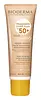
This mineral sunscreen covers the full UV range and blocks ~98% of UVB at SPF 50.
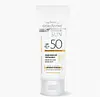
This chemical sunscreen covers the full UV range and blocks ~98% of UVB at SPF 50.


What's inside
What's inside
 Key Ingredients
Benefits
Concerns
Ingredients Side-by-side
Zinc Oxide
Cosmetic Colorant


Water
Skin ConditioningIsododecane
EmollientCI 77891
Cosmetic ColorantCorn Starch Modified
AbsorbentDicaprylyl Carbonate
EmollientTitanium Dioxide
Cosmetic Colorant
Polyglyceryl-3 Polyricinoleate
Emulsifying

CI 77492
Cosmetic ColorantSilica
Abrasive

Polyglyceryl-3 Diisostearate
Emulsifying


Triethoxycaprylylsilane

Magnesium Sulfate
Pentylene Glycol
Skin Conditioning
Propanediol
Solvent
Stearalkonium Hectorite
Gel FormingCI 77491
Cosmetic ColorantHydrogenated Lecithin
Emulsifying
Dimethicone
Emollient
Sodium Citrate
BufferingCI 77499
Cosmetic ColorantPropylene Carbonate
SolventEctoin
Skin Conditioning



Mannitol
Humectant
Propyl Gallate
Antioxidant



Xylitol
Humectant
Rhamnose
HumectantCitric Acid
Buffering

Lauroyl Lysine
Skin Conditioning
Tocopherol
Antioxidant

Fructooligosaccharides
Humectant
Caprylic/Capric Triglyceride
Masking
Laminaria Ochroleuca Extract
Skin Conditioning
Zinc Oxide, Water, Isododecane, CI 77891, Corn Starch Modified, Dicaprylyl Carbonate, Titanium Dioxide, Polyglyceryl-3 Polyricinoleate, CI 77492, Silica, Polyglyceryl-3 Diisostearate, Triethoxycaprylylsilane, Magnesium Sulfate, Pentylene Glycol, Propanediol, Stearalkonium Hectorite, CI 77491, Hydrogenated Lecithin, Dimethicone, Sodium Citrate, CI 77499, Propylene Carbonate, Ectoin, Mannitol, Propyl Gallate, Xylitol, Rhamnose, Citric Acid, Lauroyl Lysine, Tocopherol, Fructooligosaccharides, Caprylic/Capric Triglyceride, Laminaria Ochroleuca Extract
Water
Skin ConditioningDibutyl Adipate
EmollientMethylene Bis-Benzotriazolyl Tetramethylbutylphenol
UV Filter
Ethylhexyl Salicylate
UV Absorber
Glyceryl Stearate
Emollient
Phenylbenzimidazole Sulfonic Acid
UV Absorber
Diethylamino Hydroxybenzoyl Hexyl Benzoate
UV Filter
Pentylene Glycol
Skin Conditioning
C12-15 Alkyl Benzoate
AntimicrobialCetyl Alcohol
Emollient
Bis-Ethylhexyloxyphenol Methoxyphenyl Triazine
UV Absorber
Tromethamine
BufferingHydroxyethyl Acrylate/Sodium Acryloyldimethyl Taurate Copolymer
Emulsion StabilisingEthylhexyl Triazone
UV Absorber
CI 77891
Cosmetic ColorantTocopheryl Acetate
Antioxidant
Sodium Stearoyl Glutamate
CleansingAluminum Starch Octenylsuccinate
Absorbent
Glycerin
Humectant
Phenoxyethanol
Preservative
Glyceryl Laurate
Emollient
Plukenetia Volubilis Seed Oil
Emollient
Physalis Angulata Extract
Skin ProtectingCaprylic/Capric Triglyceride
Masking
Bisabolol
Antioxidant
Cetearyl Alcohol
Emollient
Decyl Glucoside
Cleansing
Xanthan Gum
EmulsifyingPropylene Glycol
Humectant
PEG-75 Stearate
Surfactant
Ceteth-20
CleansingSteareth-20
CleansingCI 77492
Cosmetic ColorantCI 77491
Cosmetic ColorantTetrasodium EDTA
ChelatingSodium Hydroxide
BufferingBHA
Antioxidant
CI 77499
Cosmetic ColorantSodium Citrate
BufferingWater, Dibutyl Adipate, Methylene Bis-Benzotriazolyl Tetramethylbutylphenol, Ethylhexyl Salicylate, Glyceryl Stearate, Phenylbenzimidazole Sulfonic Acid, Diethylamino Hydroxybenzoyl Hexyl Benzoate, Pentylene Glycol, C12-15 Alkyl Benzoate, Cetyl Alcohol, Bis-Ethylhexyloxyphenol Methoxyphenyl Triazine, Tromethamine, Hydroxyethyl Acrylate/Sodium Acryloyldimethyl Taurate Copolymer, Ethylhexyl Triazone, CI 77891, Tocopheryl Acetate, Sodium Stearoyl Glutamate, Aluminum Starch Octenylsuccinate, Glycerin, Phenoxyethanol, Glyceryl Laurate, Plukenetia Volubilis Seed Oil, Physalis Angulata Extract, Caprylic/Capric Triglyceride, Bisabolol, Cetearyl Alcohol, Decyl Glucoside, Xanthan Gum, Propylene Glycol, PEG-75 Stearate, Ceteth-20, Steareth-20, CI 77492, CI 77491, Tetrasodium EDTA, Sodium Hydroxide, BHA, CI 77499, Sodium Citrate
Reviews
Ingredients Explained
These ingredients are found in both products.
Ingredients higher up in an ingredient list are typically present in a larger amount.
Caprylic/Capric Triglyceride (aka MCT Oil) is a lightweight emollient, solvent, and texture enhancer. It is considered a skin-softener by helping to prevent moisture loss.
Though it behaves like an oil, it is not technically one due to its chemical composition. One perk of this ingredient is that it is very stable, resistant to oxidation, and unlikely to go rancid.
In practice, that translates to a long shelf life and a consistently elegant skin feel.
While there is an assumption Caprylic Triglyceride can clog pores due to it being derived from coconut oil, there is no research supporting this. Just patch test if you have concerns.
Fractionated coconut oil and MCT Oil are both listed as Caprylic/Capric Triglyceride according to INCI. This is because INCI names are based on the ingredient’s final chemical composition and not its marketing name or source.
This ingredient is treated as the gold standard fungal acne safe oil. Even though it is coconut derived, the problematic lauric acid is stripped out.
This leaves just caprylic (C8) and capric (C10) acid. These chain lengths actually trend antifungal; a 2020 study found caprylic acid was enough to disrupt Malassezia furfur cell membrane, with a caprylic acid derivative damaging membrane structures at concentrations as low as 0.2%.
Learn more about Caprylic/Capric TriglycerideCi 77491 is also hydrated iron III oxide. It's sole purpose is to give a red/pink hue to products.
Iron III oxides are classified as inorganic chemicals for coloring.
Synthetically created Ci 77491 is considered safer than those naturally found. This is because the synthetically created version may contain less impurities. Iron oxides are generally non-toxic and non-allergenic.
Learn more about CI 77491CI 77492 is also hydrated iron III oxide. It's sole purpose is to give a yellow hue to products.
Iron III oxides are classified as inorganic chemicals for coloring.
Synthetically created CI 77492 is considered safer than those naturally found. This is because the synthetically created version may contain less impurities. Iron oxides are generally non-toxic and non-allergenic.
Learn more about CI 77492Ci 77499 is also hydrated iron III oxide. It is created from mixing red and black iron oxides. This helps give shades of darkness to a product.
Iron III oxides are classified as inorganic chemicals for coloring.
Ci 77891 is a white pigment from Titanium dioxide. It is naturally found in minerals such as rutile and ilmenite.
It's main function is to add a white color to cosmetics. It can also be mixed with other colors to create different shades.
Ci 77891 is commonly found in sunscreens due to its ability to block UV rays.
Learn more about CI 77891Pentylene Glycol (1,2-pentanediol) is a multitasking little diol with three main roles in a formula:
Research on alkanediols (the family pentylene glycol belongs to) show they work by disrupting microbial cell membranes. This disruption helps the primary preservative system in a product work more effectively at lower doses.
On the safety side, the Cosmetic Ingredient Review Expert Panel has concluded this ingredient to be safe as used in current cosmetic practices + concentrations.
Typical use levels in a formula run about 1-5%.
Learn more about Pentylene GlycolSodium Citrate is the sodium salts of citric acid. In skincare, it is used to alter pH levels and acts as a preservative.
Its main functions are to maintain the pH of a product and neutralize metal ions.
The acidity of our skin is maintained by our glands and skin biome; normal pH level of skin is slightly acidic (~4.75-5.5).
Being slightly acidic allows our skin to create an "acid mantle". This acid mantle is a thin barrier that protects our skin from bacteria and contaminants.
Learn more about Sodium CitrateWater. It's the most common cosmetic ingredient of all. You'll usually see it at the top of ingredient lists, meaning that it makes up the largest part of the product.
So why is it so popular? Water most often acts as a solvent - this means that it helps dissolve other ingredients into the formulation.
You'll also recognize water as that liquid we all need to stay alive. If you see this, drink a glass of water. Remember to stay hydrated!
Learn more about Water

