Bioderma Hydrabio Gel Cream Moisturizer Versus Marina Expert White & Glow Intensive Gel Face Cream Hydra Lock
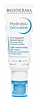
This barrier-repair moisturizer is formulated around Niacinamide and Squalane to strengthen the skin barrier and hydrate skin.
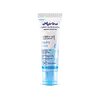
This brightening moisturizer is formulated around Niacinamide and Ceramide Ns to brighten dull-looking skin and hydrate skin.


What's inside
What's inside
 Key Ingredients
Benefits
Concerns
Ingredients Side-by-side
Water
Skin ConditioningGlycerin
Humectant


Isododecane
EmollientCyclopentasiloxane
Emollient
Dipropylene Glycol
HumectantNiacinamide
Smoothing









Squalane
Emollient
Polymethylsilsesquioxane
C14-22 Alcohols
Emulsion Stabilising
Hdi/Trimethylol Hexyllactone Crosspolymer
Ammonium Acryloyldimethyltaurate/Vp Copolymer
C30-45 Alkyl Cetearyl Dimethicone Crosspolymer
Emollient
Carbomer
Emulsion StabilisingPentylene Glycol
Skin Conditioning
Tocopheryl Acetate
Antioxidant

C12-20 Alkyl Glucoside
EmulsifyingSteareth-21
CleansingDisodium EDTA
ChelatingSalicylic Acid
Masking





Sodium Hydroxide
BufferingMannitol
Humectant
Xylitol
Humectant
Hexyldecanol
Emollient
PEG/PPG-18/18 Dimethicone
Emulsifying
Rhamnose
HumectantMalachite Extract
Antioxidant
Pyrus Malus Seed Extract
Skin ConditioningBrassica Campestris Sterols
EmollientTocopherol
Antioxidant
Parfum
Masking

Water, Glycerin, Isododecane, Cyclopentasiloxane, Dipropylene Glycol, Niacinamide, Squalane, Polymethylsilsesquioxane, C14-22 Alcohols, Hdi/Trimethylol Hexyllactone Crosspolymer, Ammonium Acryloyldimethyltaurate/Vp Copolymer, C30-45 Alkyl Cetearyl Dimethicone Crosspolymer, Carbomer, Pentylene Glycol, Tocopheryl Acetate, C12-20 Alkyl Glucoside, Steareth-21, Disodium EDTA, Salicylic Acid, Sodium Hydroxide, Mannitol, Xylitol, Hexyldecanol, PEG/PPG-18/18 Dimethicone, Rhamnose, Malachite Extract, Pyrus Malus Seed Extract, Brassica Campestris Sterols, Tocopherol, Parfum
Water
Skin ConditioningGlycerin
Humectant
Butylene Glycol
Humectant
Niacinamide
Smoothing
Petrolatum
Emollient

Bisabolol
Antioxidant
Chamomilla Recutita Extract
Skin Conditioning
Methyl Gluceth-20
Humectant
Ceramide Ns
Skin Conditioning
Alpha-Arbutin
Antioxidant
Pseudoalteromonas Ferment Extract
Humectant
Hydrolyzed Hyaluronic Acid
Humectant
Aloe Barbadensis Leaf Juice
Skin Conditioning
Polymethylsilsesquioxane
Allantoin
Skin Conditioning
Hydrolyzed Wheat Protein
Skin ConditioningHydrolyzed Soy Protein
Humectant
Lecithin
Emollient
Tripeptide-10 Citrulline
Skin Conditioning
Tripeptide-1
Skin Conditioning
Dicaprylyl Ether
Emollient
Cyclopentasiloxane
Emollient
C13-14 Isoparaffin
Emollient
Dimethicone/Vinyl Dimethicone Crosspolymer
Skin Conditioning
Caprylyl Glycol
Emollient
PEG-8
HumectantAcrylates/C10-30 Alkyl Acrylate Crosspolymer
Emulsion StabilisingCetearyl Alcohol
Emollient

Cetyl Alcohol
Emollient
Glyceryl Stearate
Emollient
PEG-100 Stearate
Surfactant
PEG-60 Hydrogenated Castor Oil
Emulsifying
Laureth-7
EmulsifyingPolyacrylamide
Potassium Hydroxide
BufferingTriethanolamine
BufferingXanthan Gum
EmulsifyingCarbomer
Emulsion Stabilising1,2-Hexanediol
Skin Conditioning
Parfum
Masking
Disodium EDTA
ChelatingPhenoxyethanol
Preservative
Chlorphenesin
Antimicrobial
DMDM Hydantoin
Preservative
BHT
Antioxidant
Water, Glycerin, Butylene Glycol, Niacinamide, Petrolatum, Bisabolol, Chamomilla Recutita Extract, Methyl Gluceth-20, Ceramide Ns, Alpha-Arbutin, Pseudoalteromonas Ferment Extract, Hydrolyzed Hyaluronic Acid, Aloe Barbadensis Leaf Juice, Polymethylsilsesquioxane, Allantoin, Hydrolyzed Wheat Protein, Hydrolyzed Soy Protein, Lecithin, Tripeptide-10 Citrulline, Tripeptide-1, Dicaprylyl Ether, Cyclopentasiloxane, C13-14 Isoparaffin, Dimethicone/Vinyl Dimethicone Crosspolymer, Caprylyl Glycol, PEG-8, Acrylates/C10-30 Alkyl Acrylate Crosspolymer, Cetearyl Alcohol, Cetyl Alcohol, Glyceryl Stearate, PEG-100 Stearate, PEG-60 Hydrogenated Castor Oil, Laureth-7, Polyacrylamide, Potassium Hydroxide, Triethanolamine, Xanthan Gum, Carbomer, 1,2-Hexanediol, Parfum, Disodium EDTA, Phenoxyethanol, Chlorphenesin, DMDM Hydantoin, BHT
Reviews
Ingredients Explained
These ingredients are found in both products.
Ingredients higher up in an ingredient list are typically present in a larger amount.
Carbomer is a synthetic thickening and gelling agent. It's basically the ingredient that gives a lot of serums, gels, creams, and sunscreens their smooth, non-sticky texture.
Although legally permitted at very high levels, carbomers are normally used at concentrations below 1%.
It also needs to be neutralized to actually thicken, and because it is a large molecule, it doesn't really penetrate the skin barrier.
Allergy-wise, the risk is very low. Clinical studies show carbomers have low potential for skin irritation/sensitization even at concentrations up to 100%.
A 2024 UK study patch-tested 1,302 patients and found true allergy to the parent group of carbomer to be rare with no confirmed relevant reactions.
Learn more about CarbomerCyclopentasiloxane (D5) is a lightweight silicone that mostly acts as an emollient and solvent in cosmetics. Its the reason your products feel silky, fast-spreading, and non-greasy.
Since D5 is volatile, it does its thing and then evaporates off the skin quickly.
The safety profile of this ingredient is reassuring; the US CIR Expert Panel concluded D5 is safe as used in cosmetics and Health Canada concluded that D5 is not harmful to human health or the environment as currently used in cosmetics
There's a study that people mention about D5 in a rat study showing tumors. This study is related to long-term inhalation of high D5 levels.
Regulatory bodies have judged this study to be not applicable in topical skincare since skin absorption of D5 is very low and we're not really inhaling huge amounts of D5.
The only restriction for this ingredient is environmental. The European Chemicals Agency (ECHA) restricted D5 in wash-off cosmetics at or above 0.1% due to their persistence in water.
Learn more about CyclopentasiloxaneDisodium EDTA is a chelating agent. It grabs onto and deactivates metal ions that sneak into your products from water, packaging, or air.
This ingredient mainly works behind the scenes and helps with:
On top of that, this ingredient can counteract the effects of hard water by binding to the minerals in it.
One thing worth knowing is that Disodium EDTA has been shown to be a mild penetration enhancer. It can help other ingredients absorb into skin more effectively which can be a double-edged sword (great for actives, but can also make the active too strong if you have sensitive skin).
Clinical patch testing showed no significant skin irritation at typical use concentrations and minimal dermal absorption.
You'll most likely see this ingredient near the end of an ingredient list. It's typically found in concentrations less than 1%.
Learn more about Disodium EDTAGlycerin (or glycerol) is a compound naturally found in your skin. It's a powerhouse humectant that pulls water into the stratum corneum.
Topically, glycerin does several things at once:
Your skin makes glycerin on its own (mostly from sebaceous oil breakdown) and shuttles it to your outermost layer of skin, or your epidermis, via aquaporin-3.
Aquaporin-3 is a transporter that is essential for normal skin hydration, elasticity, and repair. Interestingly, mice lacking in AQP3 have dry and less elastic skin that can be fully corrected with glycerin.
This ingredient is non-irritating, plays well with almost every ingredient, and works across all skin types. Typical use is anywhere between 3-10% but can go up to 79% in some leave-on products.
Just know very high concentrations (>40%) can feel tacky in low humidity.
Glycerin is the name for this ingredient in American English. British English uses Glycerol/Glycerine.
Learn more about GlycerinNiacinamide is a multitasking form of vitamin B3 that strengthens the skin barrier, reduces pores and dark spots, regulates oil, and improves signs of aging.
And the best part? It's gentle and well-tolerated by most skin types, including sensitive and reactive skin.
You might have heard of "niacin flush", or the reddening of skin that causes itchiness. Niacinamide has not been found to cause this.
In very rare cases, some individuals may not be able to tolerate niacinamide at all or experience an allergic reaction to it.
If you are experiencing flaking, irritation, and dryness with this ingredient, be sure to double check all your products as this ingredient can be found in all categories of skincare.
When incorporating niacinamide into your routine, look out for concentration amounts. Typically, 5% niacinamide provides benefits such as fading dark spots. However, if you have sensitive skin, it is better to begin with a smaller concentration.
When you apply niacinamide to your skin, your body converts it into nicotinamide adenine dinucleotide (NAD). NAD is an essential coenzyme that is already found in your cells as "fuel" and powers countless biological processes.
In your skin, NAD helps repair cell damage, produce new healthy cells, support collagen production, strengthen the skin barrier, and fight environmental stressors (like UV and pollution).
Our natural NAD levels start to decline with age, leading to slower skin repair, visible aging, and a weaker skin barrier. By providing your skin niacinamide, you're recharging your skin's NAD levels. This leads to stronger, healthier, and younger looking skin.
Another name for vitamin B3 is nicotinamide. This vitamin is water-soluble and our bodies don't store it. We obtain Vitamin B3 from either food or skincare. Meat, fish, wheat, yeast, and leafy greens contain vitamin B3.
The type of niacinamide used in skincare is synthetically created.
Learn more about NiacinamideParfum is a catch-all term for an ingredient or more that is used to give a scent to products.
Also called "fragrance", this ingredient can be a blend of hundreds of chemicals or plant oils. This means every product with "fragrance" or "parfum" in the ingredients list is a different mixture.
For instance, Habanolide is a proprietary trade name for a specific aroma chemical. When used as a fragrance ingredient in cosmetics, most aroma chemicals fall under the broad labeling category of “FRAGRANCE” or “PARFUM” according to EU and US regulations.
The term 'parfum' or 'fragrance' is not regulated in many countries. In many cases, it is up to the brand to define this term.
For instance, many brands choose to label themselves as "fragrance-free" because they are not using synthetic fragrances. However, their products may still contain ingredients such as essential oils that are considered a fragrance by INCI standards.
One example is Calendula flower extract. Calendula is an essential oil that still imparts a scent or 'fragrance'.
Depending on the blend, the ingredients in the mixture can cause allergies and sensitivities on the skin. Some ingredients that are known EU allergens include linalool and citronellol.
Parfum can also be used to mask or cover an unpleasant scent.
The bottom line is: not all fragrances/parfum/ingredients are created equally. If you are worried about fragrances, we recommend taking a closer look at an ingredient. And of course, we always recommend speaking with a professional.
Learn more about ParfumPolymethylsilsesquioxane is a silicone used as a film forming agent.
When applied to the skin, this ingredient creates an invisible film on the surface. This film still allows oxygen to pass through, but prevents moisture from escaping. This can help condition and hydrate the skin. It also leaves a silky feel when applied.
Polymethylsilsesquioxane has not been shown to clog pores. It has been deemed safe to use up to 55%, but most cosmetics use much less.
If you have concerns about using this ingredient, we recommend speaking with a professional.
Learn more about PolymethylsilsesquioxaneWater. It's the most common cosmetic ingredient of all. You'll usually see it at the top of ingredient lists, meaning that it makes up the largest part of the product.
So why is it so popular? Water most often acts as a solvent - this means that it helps dissolve other ingredients into the formulation.
You'll also recognize water as that liquid we all need to stay alive. If you see this, drink a glass of water. Remember to stay hydrated!
Learn more about Water

