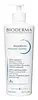
This barrier-repair moisturizer is formulated around Zinc Gluconate and Phytosphingosine to strengthen the skin barrier and hydrate skin.


What's inside
What's inside
 Key Ingredients
Benefits
Concerns
Ingredients Side-by-side
Water
Skin ConditioningGlycerin
Humectant


Paraffinum Liquidum
Emollient


Helianthus Annuus Seed Oil
Emollient

Behenyl Alcohol
Emollient
Sucrose Stearate
EmollientCanola Oil
Emollient

Hydroxyethyl Acrylate/Sodium Acryloyldimethyl Taurate Copolymer
Emulsion StabilisingPentylene Glycol
Skin Conditioning
Beta-Sitosterol
Emulsion Stabilising
Xylitol
Humectant
Zinc Gluconate
Skin Conditioning



Acrylates/C10-30 Alkyl Acrylate Crosspolymer
Emulsion StabilisingPalmitamide Mea
1,2-Hexanediol
Skin Conditioning
Caprylyl Glycol
Emollient
Sodium Citrate
BufferingMannitol
Humectant
Rhamnose
HumectantSodium Lauroyl Lactylate
EmulsifyingSodium Hydroxide
BufferingPolysorbate 60
Emulsifying
Sorbitan Isostearate
Emulsifying
Tocopherol
Antioxidant





Phytosphingosine
Skin Conditioning
Ceramide NP
Skin Conditioning
Ethylhexylglycerin
Skin ConditioningCeramide AP
Skin Conditioning
Cholesterol
Emollient
Carbomer
Emulsion StabilisingXanthan Gum
EmulsifyingFructooligosaccharides
Humectant
Caprylic/Capric Triglyceride
Masking
Laminaria Ochroleuca Extract
Skin Conditioning
Citric Acid
Buffering
Ceramide EOP
Skin Conditioning
Water, Glycerin, Paraffinum Liquidum, Helianthus Annuus Seed Oil, Behenyl Alcohol, Sucrose Stearate, Canola Oil, Hydroxyethyl Acrylate/Sodium Acryloyldimethyl Taurate Copolymer, Pentylene Glycol, Beta-Sitosterol, Xylitol, Zinc Gluconate, Acrylates/C10-30 Alkyl Acrylate Crosspolymer, Palmitamide Mea, 1,2-Hexanediol, Caprylyl Glycol, Sodium Citrate, Mannitol, Rhamnose, Sodium Lauroyl Lactylate, Sodium Hydroxide, Polysorbate 60, Sorbitan Isostearate, Tocopherol, Phytosphingosine, Ceramide NP, Ethylhexylglycerin, Ceramide AP, Cholesterol, Carbomer, Xanthan Gum, Fructooligosaccharides, Caprylic/Capric Triglyceride, Laminaria Ochroleuca Extract, Citric Acid, Ceramide EOP
Water
Skin ConditioningGlycerin
Humectant
Urea
Buffering

Dibutyl Adipate
EmollientGlyceryl Stearate
Emollient
Stearyl Alcohol
Emollient
Dicaprylyl Ether
Emollient
Cetearyl Alcohol
Emollient
Sodium Lactate
Buffering
Tapioca Starch
Glyceryl Stearate Se
Emulsifying
Ceramide NP
Skin Conditioning
Lactic Acid
Buffering
Arginine Hcl
Skin ConditioningSodium PCA
Humectant
Cholesterol
Emollient
Helianthus Annuus Seed Oil
Emollient
Alanine
Masking
Carnitine
Cleansing
Glycine
Buffering
Sodium Chloride
MaskingDimethicone
Emollient
Xanthan Gum
EmulsifyingSodium Cetearyl Sulfate
Cleansing
Decylene Glycol
Skin ConditioningPhenoxyethanol
Preservative
Pentylene Glycol
Skin Conditioning
Water, Glycerin, Urea, Dibutyl Adipate, Glyceryl Stearate, Stearyl Alcohol, Dicaprylyl Ether, Cetearyl Alcohol, Sodium Lactate, Tapioca Starch, Glyceryl Stearate Se, Ceramide NP, Lactic Acid, Arginine Hcl, Sodium PCA, Cholesterol, Helianthus Annuus Seed Oil, Alanine, Carnitine, Glycine, Sodium Chloride, Dimethicone, Xanthan Gum, Sodium Cetearyl Sulfate, Decylene Glycol, Phenoxyethanol, Pentylene Glycol
Reviews
Ingredients Explained
These ingredients are found in both products.
Ingredients higher up in an ingredient list are typically present in a larger amount.
Ceramide NP (formerly known as Ceramide 3) is one of the skin's naturally occurring lipids.
Since ceramides are the major lipid components of the skin, they are crucial for maintaining skin barrier and hydration. Ceramide NP most closely mirrors the dominant kind in human skin amongst ceramide subtypes.
This ceramide works by slotting into gaps within the stratum corneum's lipid matrix to limit trans-epidermal water loss (TEWL) and shield the skin against external irritants.
A study with 312 patients found that using a ceramide-containing routine for 4 weeks reduced the severity of atopic dermatitis by over 61%.
Another clinical study in subjects aged 60 and older found that a ceramide body wash and moisturizer improved skin dryness and itchy skin in 15 days.
Overall, ceramides are considered non-irritating and safety tests have found little to no observable adverse effects from using this ingredient.
Ceramide NP is usually sourced from plants (like soybean or rice bran), or produced synthetically.
Learn more about Ceramide NPCholesterol is a lipid that is naturally found in human skin and is one of the three key components of your skin barrier. In skincare, it is an emollient and barrier-repairing ingredient.
It works by fitting directly into the lipid layers of skin to help restore structure and reduce transepidermal water loss (TEWL).
This is a great ingredient for dry, compromised, or aging skin; our skin starts to produce less cholesterol with age.
Research shows cholesterol works best in combination with ceramides and fatty acids, the other two major components in your skin barrier.
Cholesterol is also a well-establish penetration enhancer and can help other actives absorb more effectively.
Cosmetic-grade cholesterol is usually derived from lanolin but plant and synthetic options also exist. We recommend reaching out to the brand if you have questions about their source of cholesterol.
Learn more about CholesterolGlycerin (or glycerol) is a compound naturally found in your skin. It's a powerhouse humectant that pulls water into the stratum corneum.
Topically, glycerin does several things at once:
Your skin makes glycerin on its own (mostly from sebaceous oil breakdown) and shuttles it to your outermost layer of skin, or your epidermis, via aquaporin-3.
Aquaporin-3 is a transporter that is essential for normal skin hydration, elasticity, and repair. Interestingly, mice lacking in AQP3 have dry and less elastic skin that can be fully corrected with glycerin.
This ingredient is non-irritating, plays well with almost every ingredient, and works across all skin types. Typical use is anywhere between 3-10% but can go up to 79% in some leave-on products.
Just know very high concentrations (>40%) can feel tacky in low humidity.
Glycerin is the name for this ingredient in American English. British English uses Glycerol/Glycerine.
Learn more about GlycerinHelianthus Annuus Seed Oil is a plant oil derived from the seeds of a sunflower.
It is rich in fatty acids, primarily linoleic acid and oleic acid. This gives it emollient and skin conditioning properties.
The reason this ingredient is so effective is because it forms a thin film on the skin that reduces transepidermal water loss (TEWL) while supplying linoleic acid to the stratum corneum to improve barrier strength.
The high linoleic acid content is particularly noteworthy for acne-prone skin.
Research suggests that acne-prone skin tends to be deficient in linoleic acid in sebum. Topical application may help replenish this to support a healthier follicular environment and less comedone-promoting sebum.
One randomized study found sunflower seed oil preserved skin barrier integrity in adult volunteers with and without atopic dermatitis (outperforming olive oil).
This ingredient is well-studied, gentle, and an effective emollient suitable for most skin types.
On fungal acne: This ingredient may not be Fungal acne (Malassezia folliculitis) safe. This is because it contains fatty acids with carbon chain lengths in the C11-C24 range.
Learn more about Helianthus Annuus Seed OilPentylene Glycol (1,2-pentanediol) is a multitasking little diol with three main roles in a formula:
Research on alkanediols (the family pentylene glycol belongs to) show they work by disrupting microbial cell membranes. This disruption helps the primary preservative system in a product work more effectively at lower doses.
On the safety side, the Cosmetic Ingredient Review Expert Panel has concluded this ingredient to be safe as used in current cosmetic practices + concentrations.
Typical use levels in a formula run about 1-5%.
Learn more about Pentylene GlycolWater. It's the most common cosmetic ingredient of all. You'll usually see it at the top of ingredient lists, meaning that it makes up the largest part of the product.
So why is it so popular? Water most often acts as a solvent - this means that it helps dissolve other ingredients into the formulation.
You'll also recognize water as that liquid we all need to stay alive. If you see this, drink a glass of water. Remember to stay hydrated!
Learn more about WaterXanthan gum is used as a stabilizer and thickener within cosmetic products. It helps give products a sticky, thick feeling - preventing them from being too runny.
On the technical side of things, xanthan gum is a polysaccharide - a combination consisting of multiple sugar molecules bonded together.
Xanthan gum is a pretty common and great ingredient. It is a natural, non-toxic, non-irritating ingredient that is also commonly used in food products.
Learn more about Xanthan Gum

