

What's inside
What's inside
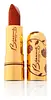 Key Ingredients
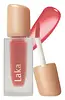
Benefits
Concerns
Ingredients Side-by-side
Caprylic/Capric Triglyceride
Masking


Trioctyldodecyl Citrate
EmollientOzokerite
Emulsion StabilisingOctyldodecanol
Emollient
Kaolin
Abrasive



Squalane
Emollient
Microcrystalline Wax
Emulsion StabilisingBeeswax
Emulsion Stabilising




Bis-Diglyceryl Polyacyladipate-2
Emollient
Cetyl Palmitate
Emollient
Diisostearyl Malate
EmollientCopernicia Cerifera Wax
Euphorbia Cerifera Wax
Trihydroxystearin
Skin Conditioning
Mica
Cosmetic ColorantPhenoxyethanol
Preservative
Vanillin
Masking

Tocopheryl Acetate
Antioxidant


Ethylhexylglycerin
Skin ConditioningCI 77499
Cosmetic ColorantCI 77491
Cosmetic ColorantCI 77492
Cosmetic ColorantCI 15850
Cosmetic ColorantCI 77891
Cosmetic ColorantCI 45410
Cosmetic ColorantCI 19140
Cosmetic ColorantCaprylic/Capric Triglyceride, Trioctyldodecyl Citrate, Ozokerite, Octyldodecanol, Kaolin, Squalane, Microcrystalline Wax, Beeswax, Bis-Diglyceryl Polyacyladipate-2, Cetyl Palmitate, Diisostearyl Malate, Copernicia Cerifera Wax, Euphorbia Cerifera Wax, Trihydroxystearin, Mica, Phenoxyethanol, Vanillin, Tocopheryl Acetate, Ethylhexylglycerin, CI 77499, CI 77491, CI 77492, CI 15850, CI 77891, CI 45410, CI 19140
Water
Skin ConditioningDiisostearyl Malate
EmollientPhytosteryl/Isostearyl/Cetyl/Stearyl/Behenyl Dimer Dilinoleate
Skin Conditioning
Dimer Dilinoleyl Diisostearate
EmollientPolyglyceryl-10 Nonaisostearate
Skin ConditioningOctyldodecanol
Emollient
Bis-Diglyceryl Polyacyladipate-2
Emollient
Hydrogenated Polyisobutene
EmollientCetyl PEG/PPG-10/1 Dimethicone
Emulsifying
Polysorbate 60
Emulsifying
Sorbitan Isostearate
Emulsifying
1,2-Hexanediol
Skin Conditioning
Glycerin
Humectant
Behenyl Alcohol
Emollient
Citrus Limon Juice
Skin Conditioning
Rubus Idaeus Juice
AstringentMangifera Indica Juice
Skin ConditioningFragaria Chiloensis Fruit Extract
Skin Conditioning
Malt Juice
Skin ConditioningCitrus Aurantium Dulcis Fruit Extract
MaskingPunica Granatum Fruit Juice
MaskingCarica Papaya Fruit Juice
HumectantSodium Acrylates Copolymer
Pentylene Glycol
Skin Conditioning
Titanium Dioxide
Cosmetic Colorant

Butylene Glycol
Humectant
Polyacrylate-13
Tromethamine
BufferingAcrylates/C10-30 Alkyl Acrylate Crosspolymer
Emulsion StabilisingEthylhexylglycerin
Skin ConditioningPolyisobutene
Hydroxyethyl Acrylate/Sodium Acryloyldimethyl Taurate Copolymer
Emulsion StabilisingSqualane
Emollient
Stevioside
MaskingPhytic Acid
Chelating
Caprylyl Glycol
Emollient
Dimethicone
Emollient
Methyl Hydrogenated Rosinate
Perfuming

Aluminum Hydroxide
EmollientPolysorbate 20
Emulsifying
Tocopherol
Antioxidant

Parfum
Masking
Dehydroacetic Acid
Preservative
CI 19140
Cosmetic ColorantCI 17200
Cosmetic ColorantHc Red No. 1
Blue 1 Lake
Cosmetic ColorantWater, Diisostearyl Malate, Phytosteryl/Isostearyl/Cetyl/Stearyl/Behenyl Dimer Dilinoleate, Dimer Dilinoleyl Diisostearate, Polyglyceryl-10 Nonaisostearate, Octyldodecanol, Bis-Diglyceryl Polyacyladipate-2, Hydrogenated Polyisobutene, Cetyl PEG/PPG-10/1 Dimethicone, Polysorbate 60, Sorbitan Isostearate, 1,2-Hexanediol, Glycerin, Behenyl Alcohol, Citrus Limon Juice, Rubus Idaeus Juice, Mangifera Indica Juice, Fragaria Chiloensis Fruit Extract, Malt Juice, Citrus Aurantium Dulcis Fruit Extract, Punica Granatum Fruit Juice, Carica Papaya Fruit Juice, Sodium Acrylates Copolymer, Pentylene Glycol, Titanium Dioxide, Butylene Glycol, Polyacrylate-13, Tromethamine, Acrylates/C10-30 Alkyl Acrylate Crosspolymer, Ethylhexylglycerin, Polyisobutene, Hydroxyethyl Acrylate/Sodium Acryloyldimethyl Taurate Copolymer, Squalane, Stevioside, Phytic Acid, Caprylyl Glycol, Dimethicone, Methyl Hydrogenated Rosinate, Aluminum Hydroxide, Polysorbate 20, Tocopherol, Parfum, Dehydroacetic Acid, CI 19140, CI 17200, Hc Red No. 1, Blue 1 Lake
Reviews
Ingredients Explained
These ingredients are found in both products.
Ingredients higher up in an ingredient list are typically present in a larger amount.
Bis-Diglyceryl Polyacyladipate-2 is a synthetic emollient that works as a lanolin substitute.
This ingredient is a great vegan option for those avoiding animal-derived ingredients.
It mostly stays on the surface of skin where it helps hydrate due to its large molecular size and low water solubility.
Due to it being derived from fatty acids, this ingredient may not be Malassezia or fungal acne safe.
Learn more about Bis-Diglyceryl Polyacyladipate-2CI 19140 is also known as Tartrazine. Tartrazine is a synthetic dye used in cosmetics, foods, and medicine to add a yellow color.
Tartrazine is created from petroleum and is water-soluble.
Some people may experience allergies from this dye, especially asthmatics and those with an aspirin intolerance.
Learn more about CI 19140Diisostearyl Malate is an emollient and most often used in lip products. It comes from isostearyl alcohol, a fatty acid, and malic acid, an AHA.
As an emollient, Diisostearyl Malate helps create a thin film on your skin to trap moisture in. This helps keep your skin soft and smooth.
Ethylhexylglycerin is created from glycerin. It is a multitasker ingredient that:
The CIR Expert Panel found minimal skin absorption or sensitization of any kind in a safety assessment. Though this ingredient is considered well-tolerated, a small number of cases of allergic dermatitis have been published since 2002. Just be sure to patch test if you are unsure.
Industry-reported use ranges from 8% in rinse-off products and 2% in leave-on formulations.
Learn more about EthylhexylglycerinOctyldodecanol is a fatty alcohol sourced from plant oils like coconut or palm (or made synthetically).
It is:
You'll likely see this in many BHA products because this is the go-to solvent for salicylic acid.
This ingredient is typically used at levels between 2-20%.
Regarding fungal acne:
In 2019, this ingredient was tested against multiple Malassezia species (the yeast that causes fungal acne) and showed no growth.
Squalane is the hydrogenated and shelf-stable form of squalene (a lipid that naturally occurs in human sebum).
It is an emollient and skin conditioning agent that is able to integrate seamlessly into the skin's lipid barrier without clogging pores.
This is due to how structurally similar it is to what your skin already produces.
Though it is mostly an emollient that helps soften and hydrate skin, it also has some humectant and occlusive action. Humectants help the skin retain moisture while occlusives seal it in, making squalane a triple-threat moisturizer.
Research shows it has antioxidant capabilities that help protect against stressors like UV exposure, specifically UVA induced oxidative stress. This study also found that it supports collagen biosynthesis in human dermal fibroblasts.
No clinical study has reported significant adverse effects and irritation reactions are very rare from this ingredient (even at 100% concentration).
Overall, it's a fantastic ingredient for hydration and is suitable for all skin types.
This depends on the source. Squalane can be derived from both plants and animals. Most squalane used in skincare comes from plants.
Please note: the source of squalane is only known if disclosed by the brand. We recommend reaching out to the brand if you have any questions about their squalane.
Read more about squalene with an "e".
Though squalane is often called an oil, it’s technically not one. It is a hydrocarbon, meaning it is only made of carbon and hydrogen. True oils are triglycerides and made of fatty acids and glycerol.
The term “oil-free” isn’t regulated so companies can define it however they want. Some exclude all oils, while others just avoid mineral oil or comedogenic oils.
Squalane has a comedogenic rating of 1 from the original 1972 study that tested raw ingredients under occlusion on rabbit ears. This system is not standardized or peer-reviewed, and using the raw ingredients is very different from how diluted cosmetic formulations are used on human skin.
A comedogenic rating of 1 means it is "unlikely to clog pores" according to the original rating system.
The overall formula of a product matters more than the individual ingredients on whether or not it will cause clogged pores.
Learn more about Squalane

