
What's inside
What's inside
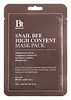 Key Ingredients
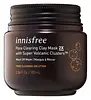
Benefits
Concerns
No concerns
Ingredients Side-by-side
Camellia Sinensis Leaf Water
Masking
Water
Skin ConditioningButylene Glycol
Humectant

Glycerin
Humectant
Snail Secretion Filtrate
Skin Conditioning


Niacinamide
Smoothing







Pentylene Glycol
Skin Conditioning
1,2-Hexanediol
Skin Conditioning
Sodium Hyaluronate
Humectant
Plantago Asiatica Extract
Skin ConditioningLaminaria Digitata Extract
Skin Protecting
Diospyros Kaki Leaf Extract
Skin Protecting
Salix Alba Bark Extract
Astringent
Ulmus Campestris Bark Extract
AstringentAlthaea Rosea Root Extract
HumectantAloe Barbadensis Leaf Extract
Emollient
Sh-Oligopeptide-1
Skin Conditioning
Beta-Glucan
Skin Conditioning
Betaine
Humectant
Panthenol
Skin Conditioning
Allantoin
Skin Conditioning
Xanthan Gum
EmulsifyingAdenosine
Skin Conditioning
Bee Venom
Astringent
Polysorbate 20
Emulsifying
Lecithin
Emollient
Zanthoxylum Piperitum Fruit Extract
Skin ConditioningPulsatilla Koreana Extract
Skin ConditioningUsnea Barbata Extract
Camellia Sinensis Leaf Water, Water, Butylene Glycol, Glycerin, Snail Secretion Filtrate, Niacinamide, Pentylene Glycol, 1,2-Hexanediol, Sodium Hyaluronate, Plantago Asiatica Extract, Laminaria Digitata Extract, Diospyros Kaki Leaf Extract, Salix Alba Bark Extract, Ulmus Campestris Bark Extract, Althaea Rosea Root Extract, Aloe Barbadensis Leaf Extract, Sh-Oligopeptide-1, Beta-Glucan, Betaine, Panthenol, Allantoin, Xanthan Gum, Adenosine, Bee Venom, Polysorbate 20, Lecithin, Zanthoxylum Piperitum Fruit Extract, Pulsatilla Koreana Extract, Usnea Barbata Extract
Water
Skin ConditioningCI 77891
Cosmetic ColorantButylene Glycol
Humectant
Silica
Abrasive
Glycerin
Humectant
Trehalose
Humectant
Volcanic Ash
Abrasive
Polyvinyl Alcohol
Bentonite
Absorbent
Kaolin
Abrasive
Caprylic/Capric Triglyceride
Masking
Glyceryl Stearate
Emollient
Stearic Acid
Cleansing
Cetearyl Alcohol
Emollient

Pvp
Emulsion Stabilising1,2-Hexanediol
Skin Conditioning
PEG-100 Stearate
Polysorbate 60
Emulsifying
CI 77499
Cosmetic ColorantHydrogenated Vegetable Oil
Emollient
Xanthan Gum
EmulsifyingJuglans Regia Shell Powder
Abrasive
Sorbitan Stearate
Emulsifying
Zea Mays Starch
Absorbent
Polyacrylate-13
Polysorbate 20
Emulsifying
CI 77492
Cosmetic ColorantMannitol
Humectant
Microcrystalline Cellulose
AbsorbentLactic Acid/Glycolic Acid Copolymer
Skin ConditioningLactic Acid
Buffering


Polyisobutene
CI 77491
Cosmetic ColorantMenthoxypropanediol
Masking
Tetrasodium Pyrophosphate
BufferingDisodium EDTA
Ethylhexylglycerin
Skin ConditioningSorbitan Isostearate
Emulsifying
Aluminum Hydroxide
EmollientTriethoxycaprylylsilane

Tocopherol
Antioxidant

Water, CI 77891, Butylene Glycol, Silica, Glycerin, Trehalose, Volcanic Ash, Polyvinyl Alcohol, Bentonite, Kaolin, Caprylic/Capric Triglyceride, Glyceryl Stearate, Stearic Acid, Cetearyl Alcohol, Pvp, 1,2-Hexanediol, PEG-100 Stearate, Polysorbate 60, CI 77499, Hydrogenated Vegetable Oil, Xanthan Gum, Juglans Regia Shell Powder, Sorbitan Stearate, Zea Mays Starch, Polyacrylate-13, Polysorbate 20, CI 77492, Mannitol, Microcrystalline Cellulose, Lactic Acid/Glycolic Acid Copolymer, Lactic Acid, Polyisobutene, CI 77491, Menthoxypropanediol, Tetrasodium Pyrophosphate, Disodium EDTA, Ethylhexylglycerin, Sorbitan Isostearate, Aluminum Hydroxide, Triethoxycaprylylsilane, Tocopherol
Reviews
Ingredients Explained
These ingredients are found in both products.
Ingredients higher up in an ingredient list are typically present in a larger amount.
1,2-Hexanediol is a synthetic liquid and another multi-functional powerhouse.
It is a:
- Humectant, drawing moisture into the skin
- Emollient, helping to soften skin
- Solvent, dispersing and stabilizing formulas
- Preservative booster, enhancing the antimicrobial activity of other preservatives
Butylene Glycol (or BG) is used within cosmetic products for a few different reasons:
Overall, Butylene Glycol is a safe and well-rounded ingredient that works well with other ingredients.
Though this ingredient works well with most skin types, some people with sensitive skin may experience a reaction such as allergic rashes, closed comedones, or itchiness.
Learn more about Butylene GlycolGlycerin (or glycerol) is a compound naturally found in your skin. It's a powerhouse humectant that pulls water into the stratum corneum.
Topically, glycerin does several things at once:
Your skin makes glycerin on its own (mostly from sebaceous oil breakdown) and shuttles it to your outermost layer of skin, or your epidermis, via aquaporin-3.
Aquaporin-3 is a transporter that is essential for normal skin hydration, elasticity, and repair. Interestingly, mice lacking in AQP3 have dry and less elastic skin that can be fully corrected with glycerin.
This ingredient is non-irritating, plays well with almost every ingredient, and works across all skin types. Typical use is anywhere between 3-10% but can go up to 79% in some leave-on products.
Just know very high concentrations (>40%) can feel tacky in low humidity.
Glycerin is the name for this ingredient in American English. British English uses Glycerol/Glycerine.
Learn more about GlycerinPolysorbate 20 is a gentle, water-soluble emulsifier and mild surfactant. It stops oil and water from separating to keep your formulas blended and stable.
It also acts as a mild penetration enhancer by helping active ingredients absorb slightly better.
The common safety discussion around this ingredient involves a manufacturing byproduct called 1,4-dioxane.
Trace amounts can form during production but the EU's Scientific Committee on Consumer Safety has concluded that levels at/below 10 ppm in finished products are safe (commercial products consistently fall within acceptable margins).
True allergic reactions are uncommon and the CIR Expert Panel has confirmed this ingredient to be safe as used in cosmetics.
Because it is derived from lauric acid, it may not be fungal acne safe.
Learn more about Polysorbate 20Water. It's the most common cosmetic ingredient of all. You'll usually see it at the top of ingredient lists, meaning that it makes up the largest part of the product.
So why is it so popular? Water most often acts as a solvent - this means that it helps dissolve other ingredients into the formulation.
You'll also recognize water as that liquid we all need to stay alive. If you see this, drink a glass of water. Remember to stay hydrated!
Learn more about WaterXanthan gum is used as a stabilizer and thickener within cosmetic products. It helps give products a sticky, thick feeling - preventing them from being too runny.
On the technical side of things, xanthan gum is a polysaccharide - a combination consisting of multiple sugar molecules bonded together.
Xanthan gum is a pretty common and great ingredient. It is a natural, non-toxic, non-irritating ingredient that is also commonly used in food products.
Learn more about Xanthan Gum
