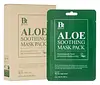
This calming sheet mask is formulated around Beta-Glucan and Dipotassium Glycyrrhizate to calm redness and hydrate skin.
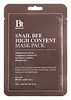
This calming sheet mask is formulated around Snail Secretion Filtrate and Niacinamide to calm redness and strengthen the skin barrier.

What's inside
What's inside
 Key Ingredients
Benefits
Concerns
No concerns
Ingredients Side-by-side
Aloe Barbadensis Leaf Water
MaskingWater
Skin ConditioningCamellia Sinensis Leaf Water
Masking
Glycerin
Humectant


Pentylene Glycol
Skin Conditioning
Sodium PCA
Humectant
Aloe Barbadensis Leaf Extract
Emollient
Sodium Hyaluronate
Humectant

Beta-Glucan
Skin Conditioning
Cucumis Sativus Fruit Extract
Emollient
Butylene Glycol
Humectant
Xanthan Gum
EmulsifyingMicrocrystalline Cellulose
AbsorbentSodium Gluconate
ChelatingBetaine
Humectant
1,2-Hexanediol
Skin Conditioning
Propanediol
Solvent
Dipotassium Glycyrrhizate
Humectant
Cellulose Gum
Emulsion StabilisingAloe Barbadensis Leaf Water, Water, Camellia Sinensis Leaf Water, Glycerin, Pentylene Glycol, Sodium PCA, Aloe Barbadensis Leaf Extract, Sodium Hyaluronate, Beta-Glucan, Cucumis Sativus Fruit Extract, Butylene Glycol, Xanthan Gum, Microcrystalline Cellulose, Sodium Gluconate, Betaine, 1,2-Hexanediol, Propanediol, Dipotassium Glycyrrhizate, Cellulose Gum
Camellia Sinensis Leaf Water
Masking
Water
Skin ConditioningButylene Glycol
Humectant
Glycerin
Humectant
Snail Secretion Filtrate
Skin Conditioning
Niacinamide
Smoothing






Pentylene Glycol
Skin Conditioning
1,2-Hexanediol
Skin Conditioning
Sodium Hyaluronate
Humectant
Plantago Asiatica Extract
Skin ConditioningLaminaria Digitata Extract
Skin Protecting

Diospyros Kaki Leaf Extract
Skin Protecting
Salix Alba Bark Extract
Astringent
Ulmus Campestris Bark Extract
AstringentAlthaea Rosea Root Extract
HumectantAloe Barbadensis Leaf Extract
Emollient
Sh-Oligopeptide-1
Skin Conditioning
Beta-Glucan
Skin Conditioning
Betaine
Humectant
Panthenol
Skin Conditioning
Allantoin
Skin Conditioning
Xanthan Gum
EmulsifyingAdenosine
Skin Conditioning
Bee Venom
Astringent
Polysorbate 20
Emulsifying

Lecithin
Emollient
Zanthoxylum Piperitum Fruit Extract
Skin ConditioningPulsatilla Koreana Extract
Skin ConditioningUsnea Barbata Extract
Camellia Sinensis Leaf Water, Water, Butylene Glycol, Glycerin, Snail Secretion Filtrate, Niacinamide, Pentylene Glycol, 1,2-Hexanediol, Sodium Hyaluronate, Plantago Asiatica Extract, Laminaria Digitata Extract, Diospyros Kaki Leaf Extract, Salix Alba Bark Extract, Ulmus Campestris Bark Extract, Althaea Rosea Root Extract, Aloe Barbadensis Leaf Extract, Sh-Oligopeptide-1, Beta-Glucan, Betaine, Panthenol, Allantoin, Xanthan Gum, Adenosine, Bee Venom, Polysorbate 20, Lecithin, Zanthoxylum Piperitum Fruit Extract, Pulsatilla Koreana Extract, Usnea Barbata Extract
Reviews
Ingredients Explained
These ingredients are found in both products.
Ingredients higher up in an ingredient list are typically present in a larger amount.
1,2-Hexanediol is a synthetic liquid and another multi-functional powerhouse.
It is a:
- Humectant, drawing moisture into the skin
- Emollient, helping to soften skin
- Solvent, dispersing and stabilizing formulas
- Preservative booster, enhancing the antimicrobial activity of other preservatives
Aloe Barbadensis Leaf Extract is a botanical extract pulled from the leaves of aloe vera and one of the most studied plant ingredients in cosmetics.
The inner leaf gel it comes from is mostly water (~99-99.5%) and the remaining fraction is made up of pretty good stuff: polysaccharides, vitamins, phenolics, and enzymes.
Its headline job is hydration.
The star polysaccharide in aloe, acemannan, is a humectant that retains moisture and helps reduce trans-epidermal water loss.
Aloe also has real soothing credentials; it contains anti-inflammatory compounds like bradykinase and C-glucosyl chromone that help calm irritation and redness.
On the repair side, lab work shows that acemannan wakes up your skin's repair cells (fibroblasts), prompting them to multiply and speed up healing.
There's some human data for cosmetic benefit too: a cream containing 10% Aloe Barbadensis leaf extract improved skin hydration and elasticity in a real-use study.
Safety-wise, this ingredient is well-regarded with just one rare downside; there have been some case reports of acute eczema, contact urticaria, and dermatitis in people who applied aloe-derived ingredients topically. Those with a known aloe or Liliaceae sensitivity should patch test.
Typical use levels range widely, from under 1% up to 90%+ depending on the format and the effect you are after.
Learn more about Aloe Barbadensis Leaf ExtractBeta-Glucan is a soluble polysaccharide (a chain of glucose sugars) sourced from the cells walls of oats, baker's yeast, mushrooms, and seaweed.
It's a rare ingredient that pulls double-duty as a heavy-duty hydrator and skin-soothing repair agent.
On the surface, it acts as a humectant that holds water in place and reduces moisture loss for a plumper, smoother feel, while its anti-inflammatory and antioxidant properties make it a great pick for calming redness or sensitive skin
The more interesting story is underneath:
Despite its large molecular size, oat beta-glucan has been shown to penetrate the epidermis and reach the dermis by slipping between skin cells. Here, it interacts with fibroblasts and macrophages to nudge collagen synthesis and support wound repair.
A small 2005 split-face clinical study of 27 subjects found topical beta-glucan produced measurable reductions in wrinkle depth, height, and roughness after 8 weeks of use.
It is worth noting the trial was small and the penetration testing used frozen, irradiated skin so the anti-aging data is encouraging rather than definitive.
This ingredient gets along with pretty much everything and is typically used around 0.1-1%.
Fungal acne: This ingredient is not a food source for the Malassezia yeast because it is a glucose polysaccharide with no fatty acid or ester component.
Learn more about Beta-GlucanBetaine is a humectant. Like hyaluronic acid, it helps attract and retain moisture in the skin. It’s known for being gentle and for helping the skin maintain balanced hydration.
Betaine is mainly used to improve hydration and support calmer skin. It helps skin cells regulate water balance because it functions as an osmolyte.
Some studies suggest betaine may support making skin tone more even.
Fun fact: Betaine naturally exists in the skin and the body. In cosmetic products, it can be either plant-derived (most commonly from sugar beets) or synthetically produced for consistency and stability.
Betaine is also known as trimethylglycine.
Learn more about BetaineButylene Glycol (or BG) is used within cosmetic products for a few different reasons:
Overall, Butylene Glycol is a safe and well-rounded ingredient that works well with other ingredients.
Though this ingredient works well with most skin types, some people with sensitive skin may experience a reaction such as allergic rashes, closed comedones, or itchiness.
Learn more about Butylene GlycolCamellia Sinensis Leaf Water is also known as green tea hydrosol. It is the water leftover from steeping or steam-distilling tea.
It's mostly in cosmetics to lend a light tea scent and gentle refreshing feel (tonic) rather than acting as an active.
Unlike the extract, this ingredient only carries trace amounts of catechins, amino acids, and caffeine that makes tea leaf extract famous.
Learn more about Camellia Sinensis Leaf WaterGlycerin (or glycerol) is a compound naturally found in your skin. It's a powerhouse humectant that pulls water into the stratum corneum.
Topically, glycerin does several things at once:
Your skin makes glycerin on its own (mostly from sebaceous oil breakdown) and shuttles it to your outermost layer of skin, or your epidermis, via aquaporin-3.
Aquaporin-3 is a transporter that is essential for normal skin hydration, elasticity, and repair. Interestingly, mice lacking in AQP3 have dry and less elastic skin that can be fully corrected with glycerin.
This ingredient is non-irritating, plays well with almost every ingredient, and works across all skin types. Typical use is anywhere between 3-10% but can go up to 79% in some leave-on products.
Just know very high concentrations (>40%) can feel tacky in low humidity.
Glycerin is the name for this ingredient in American English. British English uses Glycerol/Glycerine.
Learn more about GlycerinPentylene Glycol (1,2-pentanediol) is a multitasking little diol with three main roles in a formula:
Research on alkanediols (the family pentylene glycol belongs to) show they work by disrupting microbial cell membranes. This disruption helps the primary preservative system in a product work more effectively at lower doses.
On the safety side, the Cosmetic Ingredient Review Expert Panel has concluded this ingredient to be safe as used in current cosmetic practices + concentrations.
Typical use levels in a formula run about 1-5%.
Learn more about Pentylene GlycolSodium Hyaluronate is the salt form of hyaluronic acid. It is a long sugar chain that is naturally found in your skin, joints, and connective tissue that maintains hydration and elasticity.
In skincare, it works as a humectant. It pulls water from the environment and deeper layers of skin and binds it to the surface.
Interestingly, the size of the molecule affects its behavior:
Some clinical evidence links low molecular weight versions to improved wrinkle depth, elasticity, anti-inflammatory effects, and barrier repair.
Many serums use a blend of both weights so you can get surface hydration plus longer-lasting and deeper effects.
You'll typically see concentrations between 0.1-2% for this ingredient.
Learn more about Sodium HyaluronateWater. It's the most common cosmetic ingredient of all. You'll usually see it at the top of ingredient lists, meaning that it makes up the largest part of the product.
So why is it so popular? Water most often acts as a solvent - this means that it helps dissolve other ingredients into the formulation.
You'll also recognize water as that liquid we all need to stay alive. If you see this, drink a glass of water. Remember to stay hydrated!
Learn more about WaterXanthan gum is used as a stabilizer and thickener within cosmetic products. It helps give products a sticky, thick feeling - preventing them from being too runny.
On the technical side of things, xanthan gum is a polysaccharide - a combination consisting of multiple sugar molecules bonded together.
Xanthan gum is a pretty common and great ingredient. It is a natural, non-toxic, non-irritating ingredient that is also commonly used in food products.
Learn more about Xanthan Gum

