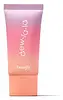
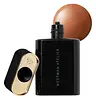
Benefit Cosmetics Dew-La-La Versus Westman Atelier Liquid Super Loaded All-Over Illuminator Drops with Vitamin C

What's inside
What's inside
 Key Ingredients
Benefits
Concerns
Ingredients Side-by-side
Water
Skin ConditioningCaprylyl Methicone
Skin Conditioning
Niacinamide
Smoothing











Propanediol
Solvent
Mica
Cosmetic ColorantIsoamyl Laurate
Emollient

Ethylhexyl Palmitate
Emollient


Polysorbate 60
Emulsifying
Cetearyl Olivate
Jojoba Esters
Emollient
Glycerin
Humectant
Caprylic/Capric Triglyceride
Masking
Sorbitan Olivate
Emulsifying
Polyglyceryl-3 Beeswax
Emulsifying
Alumina
Abrasive
Helianthus Annuus Seed Oil
Emollient
Pentylene Glycol
Skin Conditioning
Phenoxyethanol
Preservative
Soybean Glycerides
EmollientCetearyl Alcohol
Emollient
Cetyl Palmitate
Emollient
Sclerotium Gum
Emulsion StabilisingSorbitan Palmitate
Emulsifying
Butyrospermum Parkii Butter Unsaponifiables
Skin Conditioning
Tocopheryl Acetate
Antioxidant

Xanthan Gum
EmulsifyingSodium Hyaluronate
Humectant
Sorbitan Oleate
Emulsifying
Ethylhexylglycerin
Skin ConditioningSilica
Abrasive
Tin Oxide
Abrasive
Ascorbyl Palmitate
Antioxidant
CI 77891
Cosmetic ColorantCI 77491
Cosmetic ColorantCI 77492
Cosmetic ColorantCI 77499
Cosmetic ColorantWater, Caprylyl Methicone, Niacinamide, Propanediol, Mica, Isoamyl Laurate, Ethylhexyl Palmitate, Polysorbate 60, Cetearyl Olivate, Jojoba Esters, Glycerin, Caprylic/Capric Triglyceride, Sorbitan Olivate, Polyglyceryl-3 Beeswax, Alumina, Helianthus Annuus Seed Oil, Pentylene Glycol, Phenoxyethanol, Soybean Glycerides, Cetearyl Alcohol, Cetyl Palmitate, Sclerotium Gum, Sorbitan Palmitate, Butyrospermum Parkii Butter Unsaponifiables, Tocopheryl Acetate, Xanthan Gum, Sodium Hyaluronate, Sorbitan Oleate, Ethylhexylglycerin, Silica, Tin Oxide, Ascorbyl Palmitate, CI 77891, CI 77491, CI 77492, CI 77499
Squalane
Emollient
Water
Skin ConditioningPersea Gratissima Oil
Skin Conditioning
Mica
Cosmetic ColorantHelianthus Annuus Seed Oil
Emollient
Punica Granatum Seed Oil
Emollient
Camellia Japonica Seed Oil
Emollient
Tetrahexyldecyl Ascorbate
Antioxidant
Glycerin
Humectant
Pentylene Glycol
Skin Conditioning
Polyglyceryl-3 Polyricinoleate
Emulsifying
Sorbitan Isostearate
Emulsifying
Synthetic Fluorphlogopite
Disteardimonium Hectorite
StabilisingHydrolyzed Yeast Protein
Skin ConditioningParfum
Masking


Glyceryl Behenate/Eicosadioate
Emollient
Glyceryl Caprylate/Caprate
EmollientButylene Glycol
Humectant
Dimer Dilinoleyl Dimer Dilinoleate
EmollientLimonene
Perfuming
Tocopheryl Acetate
Antioxidant
Bisabolol
Antioxidant
Sodium Hyaluronate
Humectant
Tin Oxide
Abrasive
Citral
Perfuming
Linalool
Perfuming
Zingiber Officinale Root Extract
Masking
Squalane, Water, Persea Gratissima Oil, Mica, Helianthus Annuus Seed Oil, Punica Granatum Seed Oil, Camellia Japonica Seed Oil, Tetrahexyldecyl Ascorbate, Glycerin, Pentylene Glycol, Polyglyceryl-3 Polyricinoleate, Sorbitan Isostearate, Synthetic Fluorphlogopite, Disteardimonium Hectorite, Hydrolyzed Yeast Protein, Parfum, Glyceryl Behenate/Eicosadioate, Glyceryl Caprylate/Caprate, Butylene Glycol, Dimer Dilinoleyl Dimer Dilinoleate, Limonene, Tocopheryl Acetate, Bisabolol, Sodium Hyaluronate, Tin Oxide, Citral, Linalool, Zingiber Officinale Root Extract
Ingredients Explained
These ingredients are found in both products.
Ingredients higher up in an ingredient list are typically present in a larger amount.
Glycerin (or glycerol) is a compound naturally found in your skin. It's a powerhouse humectant that pulls water into the stratum corneum.
Topically, glycerin does several things at once:
Your skin makes glycerin on its own (mostly from sebaceous oil breakdown) and shuttles it to your outermost layer of skin, or your epidermis, via aquaporin-3.
Aquaporin-3 is a transporter that is essential for normal skin hydration, elasticity, and repair. Interestingly, mice lacking in AQP3 have dry and less elastic skin that can be fully corrected with glycerin.
This ingredient is non-irritating, plays well with almost every ingredient, and works across all skin types. Typical use is anywhere between 3-10% but can go up to 79% in some leave-on products.
Just know very high concentrations (>40%) can feel tacky in low humidity.
Glycerin is the name for this ingredient in American English. British English uses Glycerol/Glycerine.
Learn more about GlycerinHelianthus Annuus Seed Oil is a plant oil derived from the seeds of a sunflower.
It is rich in fatty acids, primarily linoleic acid and oleic acid. This gives it emollient and skin conditioning properties.
The reason this ingredient is so effective is because it forms a thin film on the skin that reduces transepidermal water loss (TEWL) while supplying linoleic acid to the stratum corneum to improve barrier strength.
The high linoleic acid content is particularly noteworthy for acne-prone skin.
Research suggests that acne-prone skin tends to be deficient in linoleic acid in sebum. Topical application may help replenish this to support a healthier follicular environment and less comedone-promoting sebum.
One randomized study found sunflower seed oil preserved skin barrier integrity in adult volunteers with and without atopic dermatitis (outperforming olive oil).
This ingredient is well-studied, gentle, and an effective emollient suitable for most skin types.
On fungal acne: This ingredient may not be Fungal acne (Malassezia folliculitis) safe. This is because it contains fatty acids with carbon chain lengths in the C11-C24 range.
Learn more about Helianthus Annuus Seed OilMica is a naturally occurring mineral used to add shimmer and color in cosmetics. It can also help improve the texture of a product or give it an opaque, white/silver color.
Serecite is the name for very fine but ragged grains of mica.
This ingredient is often coated with metal oxides like titanium dioxide. Trace amounts of heavy metals may be found in mica, but these metals are not harmful in our personal products.
Mica has been used since prehistoric times throughout the world. Ancient Egyptian, Indian, Greek, Roman, Aztec, and Chinese civilizations have used mica.
Learn more about MicaPentylene Glycol (1,2-pentanediol) is a multitasking little diol with three main roles in a formula:
Research on alkanediols (the family pentylene glycol belongs to) show they work by disrupting microbial cell membranes. This disruption helps the primary preservative system in a product work more effectively at lower doses.
On the safety side, the Cosmetic Ingredient Review Expert Panel has concluded this ingredient to be safe as used in current cosmetic practices + concentrations.
Typical use levels in a formula run about 1-5%.
Learn more about Pentylene GlycolSodium Hyaluronate is the salt form of hyaluronic acid. It is a long sugar chain that is naturally found in your skin, joints, and connective tissue that maintains hydration and elasticity.
In skincare, it works as a humectant. It pulls water from the environment and deeper layers of skin and binds it to the surface.
Interestingly, the size of the molecule affects its behavior:
Some clinical evidence links low molecular weight versions to improved wrinkle depth, elasticity, anti-inflammatory effects, and barrier repair.
Many serums use a blend of both weights so you can get surface hydration plus longer-lasting and deeper effects.
You'll typically see concentrations between 0.1-2% for this ingredient.
Learn more about Sodium HyaluronateTin Oxide is an inorganic oxide used to add opacity and volume to a product. In nature, it is already found in mineral form. The main ore of tin is an opaque and shiny mineral called casseterite.
Tin Oxide helps remove translucency in a product, or make it more opaque. Besides adding opacity, tin oxide is used for bulking to add volume.
Tocopheryl Acetate is a stable, shelf-friendly form of vitamin E.
Formulators love it because plain vitamin E oxidizes quickly once it hits air. This acetate version stays stable and resists going off, helping to extend a product's shelf life.
It's actually inactive on its own and works like a slow-release "storage" form; the enzymes in your skin called esterases gradually convert it into active vitamin E over time.
One in vivo study showed 5% of the acetate in the living layer of the epidermis converted to vitamin E after 5 days of application. This study also found the skin gained protection against UV damage even though the conversion was slow and small.
Once converted, vitamin E acts as a skin's main fat-soluble antioxidant that fights free radicals to protect skin from damage.
Topical vitamin E generally boosts the skin's photoprotection, and it reduced UV-damage in animal models.
This ingredient has some brightening potential but it's more of a prevention ingredient than spot-fader. Cell studies show it can slow down melanin production but it's worth noting that it's not the most powerful brightener out there.
Overall, it has a pretty solid safety profile and has been found to be non-irritating and non-comedogenic. Allergic reactions may happen but stay rare due to how widely the ingredient gets used.
The concentration will vary depending on the formula; industry data shows 0.1% in baby lotions, 3% in lipsticks, and 5% in foot powders. You can also find this ingredient at 100% in a pure vitamin E oil.
Most leave-on skincare keeps it at the lower end, often between 0.5-1%.
Learn more about Tocopheryl AcetateWater. It's the most common cosmetic ingredient of all. You'll usually see it at the top of ingredient lists, meaning that it makes up the largest part of the product.
So why is it so popular? Water most often acts as a solvent - this means that it helps dissolve other ingredients into the formulation.
You'll also recognize water as that liquid we all need to stay alive. If you see this, drink a glass of water. Remember to stay hydrated!
Learn more about Water

