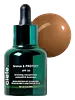
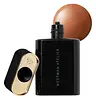
ciele. Bronze & Protect SPF 50 Bronzing Concentrate SPF 50+ Versus Westman Atelier Liquid Super Loaded All-Over Illuminator Drops with Vitamin C

What's inside
What's inside
 Key Ingredients
Benefits
Concerns
Ingredients Side-by-side
Zinc Oxide 12%
Cosmetic Colorant


Water
Skin ConditioningC12-15 Alkyl Benzoate
AntimicrobialButyloctyl Salicylate
Skin Conditioning
Lauryl PEG-8 Dimethicone
Surfactant
Isododecane
EmollientPropanediol
Solvent

Iron Oxides
CI 77491
Cosmetic ColorantSynthetic Fluorphlogopite
Dimethicone
Emollient
Niacinamide
Smoothing








Polymethylsilsesquioxane
Isohexadecane
EmollientTrilaureth-4 Phosphate
EmulsifyingDimethiconol
Emollient
Mica
Cosmetic ColorantCaprylyl Methicone
Skin Conditioning
Octyldodecyl Neopentanoate
EmollientLauryl PEG-10 Tris(Trimethylsiloxy)Silylethyl Dimethicone
Emulsifying
CI 77492
Cosmetic ColorantSodium Chloride
MaskingPhenoxyethanol
Preservative
Bisabolol
Antioxidant
Disteardimonium Hectorite
StabilisingCI 77499
Cosmetic ColorantCaprylyl Glycol
Emollient
Allantoin
Skin Conditioning
Titanium Dioxide
Cosmetic Colorant
Ethylhexylglycerin
Skin ConditioningHexylene Glycol
EmulsifyingPropylene Carbonate
SolventPolyglyceryl-4 Diisostearate/Polyhydroxystearate/Sebacate
Emulsifying

PEG-10
HumectantTetrasodium Glutamate Diacetate
Hydrogenated Lecithin
Emulsifying
Tin Oxide
Abrasive
Sodium Hydroxide
BufferingZinc Oxide 12%, Water, C12-15 Alkyl Benzoate, Butyloctyl Salicylate, Lauryl PEG-8 Dimethicone, Isododecane, Propanediol, Iron Oxides, CI 77491, Synthetic Fluorphlogopite, Dimethicone, Niacinamide, Polymethylsilsesquioxane, Isohexadecane, Trilaureth-4 Phosphate, Dimethiconol, Mica, Caprylyl Methicone, Octyldodecyl Neopentanoate, Lauryl PEG-10 Tris(Trimethylsiloxy)Silylethyl Dimethicone, CI 77492, Sodium Chloride, Phenoxyethanol, Bisabolol, Disteardimonium Hectorite, CI 77499, Caprylyl Glycol, Allantoin, Titanium Dioxide, Ethylhexylglycerin, Hexylene Glycol, Propylene Carbonate, Polyglyceryl-4 Diisostearate/Polyhydroxystearate/Sebacate, PEG-10, Tetrasodium Glutamate Diacetate, Hydrogenated Lecithin, Tin Oxide, Sodium Hydroxide
Squalane
Emollient
Water
Skin ConditioningPersea Gratissima Oil
Skin Conditioning


Mica
Cosmetic ColorantHelianthus Annuus Seed Oil
Emollient
Punica Granatum Seed Oil
Emollient
Camellia Japonica Seed Oil
Emollient
Tetrahexyldecyl Ascorbate
Antioxidant
Glycerin
Humectant
Pentylene Glycol
Skin Conditioning
Polyglyceryl-3 Polyricinoleate
Emulsifying
Sorbitan Isostearate
Emulsifying
Synthetic Fluorphlogopite
Disteardimonium Hectorite
StabilisingHydrolyzed Yeast Protein
Skin ConditioningParfum
Masking


Glyceryl Behenate/Eicosadioate
Emollient
Glyceryl Caprylate/Caprate
EmollientButylene Glycol
Humectant
Dimer Dilinoleyl Dimer Dilinoleate
EmollientLimonene
Perfuming
Tocopheryl Acetate
Antioxidant
Bisabolol
Antioxidant
Sodium Hyaluronate
Humectant
Tin Oxide
Abrasive
Citral
Perfuming
Linalool
Perfuming
Zingiber Officinale Root Extract
Masking
Squalane, Water, Persea Gratissima Oil, Mica, Helianthus Annuus Seed Oil, Punica Granatum Seed Oil, Camellia Japonica Seed Oil, Tetrahexyldecyl Ascorbate, Glycerin, Pentylene Glycol, Polyglyceryl-3 Polyricinoleate, Sorbitan Isostearate, Synthetic Fluorphlogopite, Disteardimonium Hectorite, Hydrolyzed Yeast Protein, Parfum, Glyceryl Behenate/Eicosadioate, Glyceryl Caprylate/Caprate, Butylene Glycol, Dimer Dilinoleyl Dimer Dilinoleate, Limonene, Tocopheryl Acetate, Bisabolol, Sodium Hyaluronate, Tin Oxide, Citral, Linalool, Zingiber Officinale Root Extract
Ingredients Explained
These ingredients are found in both products.
Ingredients higher up in an ingredient list are typically present in a larger amount.
Bisabolol is a gentle skin conditioner, antioxidant, and soothing ingredient.
It's primary claim to fame is soothing and research shows topically applied bisabolol can quiet the chemical messengers that cause your skin to become inflamed, helping to sooth any irritation.
A clinical study found that applying 0.5% bisabolol daily for 8 weeks produced an average 9% decrease in skin pigmentation. Researchers found it can also suppress the process that leads to excess melanin production in skin.
In vitro studies found that bisabolol combined with propylene glycol significantly increased skin permeability by increasing lipid fluidity in the stratum corneum.
You'll likely see use concentrations quite low, usually 0.1-0.2%.
Overall, this is a well-tolerated ingredient that works well in formulas designed for sensitive, reactive, or post-procedure skin.
Learn more about BisabololDisteardimonium Hectorite comes from the clay mineral named hectorite. It is used to add thickness to a product.
It can also help stabilize a product by helping to disperse other ingredients.
Hectorite is a rare, white clay mineral.
Learn more about Disteardimonium HectoriteMica is a naturally occurring mineral used to add shimmer and color in cosmetics. It can also help improve the texture of a product or give it an opaque, white/silver color.
Serecite is the name for very fine but ragged grains of mica.
This ingredient is often coated with metal oxides like titanium dioxide. Trace amounts of heavy metals may be found in mica, but these metals are not harmful in our personal products.
Mica has been used since prehistoric times throughout the world. Ancient Egyptian, Indian, Greek, Roman, Aztec, and Chinese civilizations have used mica.
Learn more about MicaSynthetic Fluorphlogopite is the synthethic version of mica. It consists of fluorine, aluminum and silicate.
Synthetic Fluorphlogopite is used to add volume to products.
It is considered non-irritating on the skin.
Learn more about Synthetic FluorphlogopiteTin Oxide is an inorganic oxide used to add opacity and volume to a product. In nature, it is already found in mineral form. The main ore of tin is an opaque and shiny mineral called casseterite.
Tin Oxide helps remove translucency in a product, or make it more opaque. Besides adding opacity, tin oxide is used for bulking to add volume.
Water. It's the most common cosmetic ingredient of all. You'll usually see it at the top of ingredient lists, meaning that it makes up the largest part of the product.
So why is it so popular? Water most often acts as a solvent - this means that it helps dissolve other ingredients into the formulation.
You'll also recognize water as that liquid we all need to stay alive. If you see this, drink a glass of water. Remember to stay hydrated!
Learn more about Water

