Beauty Pie Super Healthy Skin™ Ultralight UVA/UVB SPF25 Versus Ultra Violette Supreme Screen SPF 50+


What's inside
What's inside
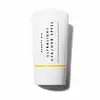 Key Ingredients
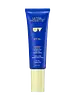
Benefits
Concerns
Ingredients Side-by-side
Water
Skin ConditioningEthylhexyl Methoxycinnamate
UV Absorber


Butylene Glycol
Humectant
Ethylhexyl Palmitate
Emollient


Glycerin
Humectant


Dipropylene Glycol
HumectantEthylhexyl Salicylate
UV Absorber
Octocrylene
UV Absorber
Diethylamino Hydroxybenzoyl Hexyl Benzoate
UV Filter
Hydrogenated Lecithin
Emulsifying
Pentylene Glycol
Skin ConditioningBis-Ethylhexyloxyphenol Methoxyphenyl Triazine
Skin Conditioning
Ethylhexyl Triazone
UV Absorber
Sodium Hyaluronate
Humectant
Stearyl Glycyrrhetinate
Skin ConditioningBetaine
Humectant

Phenoxyethanol
Preservative
Carbomer
Emulsion StabilisingAcrylates Copolymer
Sodium Hydroxide
BufferingPentasodium Pentetate
BHT
Antioxidant
Water, Ethylhexyl Methoxycinnamate, Butylene Glycol, Ethylhexyl Palmitate, Glycerin, Dipropylene Glycol, Ethylhexyl Salicylate, Octocrylene, Diethylamino Hydroxybenzoyl Hexyl Benzoate, Hydrogenated Lecithin, Pentylene Glycol, Bis-Ethylhexyloxyphenol Methoxyphenyl Triazine, Ethylhexyl Triazone, Sodium Hyaluronate, Stearyl Glycyrrhetinate, Betaine, Phenoxyethanol, Carbomer, Acrylates Copolymer, Sodium Hydroxide, Pentasodium Pentetate, BHT
Ethylhexyl Methoxycinnamate 10%
UV Absorber
Bis-Ethylhexyloxyphenol Methoxyphenyl Triazine 3%
Skin Conditioning
Methylene Bis-Benzotriazolyl Tetramethylbutylphenol 2.5%
UV Filter
Water
Skin ConditioningIsostearyl Neopentanoate
Emollient
Cyclopentasiloxane
Emollient
Alcohol
Antimicrobial

Cyclohexasiloxane
Emollient
Glycerin
Humectant
Butylene Glycol
Humectant
Dimethicone
Emollient
Cetearyl Alcohol
Emollient
Hydroxyethyl Acrylate/Sodium Acryloyldimethyl Taurate Copolymer
Emulsion StabilisingNylon 6/12
AbsorbentCeteareth-20
Cleansing
Squalane
Emollient
Caprylyl Glycol
Emollient
PEG-40 Stearate
Emulsifying
Silica
Abrasive
Saccharide Isomerate
Humectant
Decyl Glucoside
CleansingTocopheryl Acetate
Antioxidant
Disodium EDTA
Polysorbate 60
Emulsifying
Caprylhydroxamic Acid
Pentylene Glycol
Skin ConditioningParfum
Masking
Triethanolamine
BufferingTerminalia Ferdinandiana Fruit Extract
Antioxidant
Propylene Glycol
Humectant
Xanthan Gum
EmulsifyingCitric Acid
Buffering



Sodium Chloride
Masking
Carnosine
Skin Conditioning
CI 77492
Cosmetic ColorantCI 77491
Cosmetic ColorantCI 77499
Cosmetic ColorantEthylhexyl Methoxycinnamate 10%, Bis-Ethylhexyloxyphenol Methoxyphenyl Triazine 3%, Methylene Bis-Benzotriazolyl Tetramethylbutylphenol 2.5%, Water, Isostearyl Neopentanoate, Cyclopentasiloxane, Alcohol, Cyclohexasiloxane, Glycerin, Butylene Glycol, Dimethicone, Cetearyl Alcohol, Hydroxyethyl Acrylate/Sodium Acryloyldimethyl Taurate Copolymer, Nylon 6/12, Ceteareth-20, Squalane, Caprylyl Glycol, PEG-40 Stearate, Silica, Saccharide Isomerate, Decyl Glucoside, Tocopheryl Acetate, Disodium EDTA, Polysorbate 60, Caprylhydroxamic Acid, Pentylene Glycol, Parfum, Triethanolamine, Terminalia Ferdinandiana Fruit Extract, Propylene Glycol, Xanthan Gum, Citric Acid, Sodium Chloride, Carnosine, CI 77492, CI 77491, CI 77499
Reviews
Ingredients Explained
These ingredients are found in both products.
Ingredients higher up in an ingredient list are typically present in a larger amount.
You might know this ingredient as Tinosorb S or Bemotrizinol. It is a UV filter that covers both UVA and UVB rays.
This ingredient has two peak UV absorption peaks ( 310 and 340 nm) and is able to absorb both UV-A and UV-B rays. This ingredient works by preventing UV rays from reaching and damaging your skin.
On top of that - it is highly photostable and helps prevent the photodegration of other sunscreen ingredients such as avobenzone.
Tinosorb S is allowed in the EU, Australia, and Asia. It is close to being approved by the FDA and we'll hopefully get this ingredient in the U.S. by late 2025.
Fun fact: Tinosorb S is the most effective UV absorber at maximum concentration (measured by SPF) permitted in the EU.
This ingredient is oil-soluble, so your oil-cleansers will take this right off at night.
Learn more about Bis-Ethylhexyloxyphenol Methoxyphenyl TriazineButylene Glycol (or BG) is used within cosmetic products for a few different reasons:
Overall, Butylene Glycol is a safe and well-rounded ingredient that works well with other ingredients.
Though this ingredient works well with most skin types, some people with sensitive skin may experience a reaction such as allergic rashes, closed comedones, or itchiness.
Learn more about Butylene GlycolEthylhexyl Methoxycinnamate is an organic compound that provides UVB protection. It often goes by the more common name of octinoxate. It is created from methoxycinnamic acid and 2-ethylhexanol.
Ethylhexyl Methoxycinnamate absorbs UVB rays with wavelengths between 280-320 nm. UV absorbers protect your skin by using chemical reactions to convert UV rays into heat and energy.
UVB (290-320 nm) rays emit more energy than UVA rays. They are capable of damaging DNA, causing sunburns and are thought to be linked to skin cancer.
The state of Hawaii has banned sunscreens containing octinoxate due to its potential impact on coral reefs. More research is needed to bridge gaps in this research. The European Union allows higher levels of octinoxate in sunscreens than the US and Australia.
Ethylhexyl Methoxycinnamate is oil soluble. It is not stable and may lose efficacy when exposed to sunlight.
Learn more about Ethylhexyl MethoxycinnamateGlycerin is already naturally found in your skin. It helps moisturize and protect your skin.
A study from 2016 found glycerin to be more effective as a humectant than AHAs and hyaluronic acid.
As a humectant, it helps the skin stay hydrated by pulling moisture to your skin. The low molecular weight of glycerin allows it to pull moisture into the deeper layers of your skin.
Hydrated skin improves your skin barrier; Your skin barrier helps protect against irritants and bacteria.
Glycerin has also been found to have antimicrobial and antiviral properties. Due to these properties, glycerin is often used in wound and burn treatments.
In cosmetics, glycerin is usually derived from plants such as soybean or palm. However, it can also be sourced from animals, such as tallow or animal fat.
This ingredient is organic, colorless, odorless, and non-toxic.
Glycerin is the name for this ingredient in American English. British English uses Glycerol/Glycerine.
Learn more about GlycerinPentylene glycol is typically used within a product to thicken it. It also adds a smooth, soft, and moisturizing feel to the product. It is naturally found in plants such as sugar beets.
The hydrophilic trait of Pentylene Glycol makes it a humectant. As a humectant, Pentylene Glycol helps draw moisture from the air to your skin. This can help keep your skin hydrated.
This property also makes Pentylene Glycol a great texture enhancer. It can also help thicken or stabilize a product.
Pentylene Glycol also acts as a mild preservative and helps to keep a product microbe-free.
Some people may experience mild eye and skin irritation from Pentylene Glycol. We always recommend speaking with a professional about using this ingredient in your routine.
Pentylene Glycol has a low molecular weight and is part of the 1,2-glycol family.
Learn more about Pentylene GlycolWater. It's the most common cosmetic ingredient of all. You'll usually see it at the top of ingredient lists, meaning that it makes up the largest part of the product.
So why is it so popular? Water most often acts as a solvent - this means that it helps dissolve other ingredients into the formulation.
You'll also recognize water as that liquid we all need to stay alive. If you see this, drink a glass of water. Stay hydrated!
Learn more about Water
