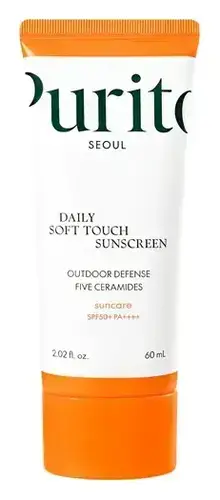
Beauty of Joseon Stay Fresh Tone-Up Sunscreen Centella + Ceramide SPF 50+ PA++++ Versus ISDIN Fotoultra Solar Allergy Protect SPF 50+ PA++++
This chemical sunscreen covers the full UV range and blocks ~98% of UVB at SPF 50.
This hybrid sunscreen covers the full UV range and blocks ~98% of UVB at SPF 50.


What's inside
What's inside
 Key Ingredients
Benefits
Concerns
Ingredients Side-by-side
Water
Skin ConditioningEthylhexyl Triazone
UV Absorber
Drometrizole Trisiloxane
UV Absorber
Methylpropanediol
SolventPropanediol
Solvent

Dibutyl Adipate
EmollientDimethicone
Emollient
Diethylamino Hydroxybenzoyl Hexyl Benzoate
UV Filter
CI 77891
Cosmetic ColorantTerephthalylidene Dicamphor Sulfonic Acid
UV Absorber
1,2-Hexanediol
Skin Conditioning
Butyloctyl Salicylate
Skin Conditioning
Acrylates Copolymer
Diisopropyl Sebacate
EmollientDicaprylyl Carbonate
EmollientCaprylyl Methicone
Skin Conditioning
Behenyl Alcohol
Emollient
Tromethamine
BufferingPolyglyceryl-3 Methylglucose Distearate
Emulsifying

Polyglyceryl-6 Stearate
Emollient
Sodium Polyacryloyldimethyl Taurate
Emulsion StabilisingPolyacrylate Crosspolymer-6
Emulsion StabilisingAmmonium Acryloyldimethyltaurate/Vp Copolymer
Polyether-1
CI 77288
Cosmetic ColorantCI 77007
Cosmetic ColorantDimethicone/Vinyl Dimethicone Crosspolymer
Skin Conditioning
Polyhydroxystearic Acid
Emulsifying
Ethylhexylglycerin
Skin ConditioningPolyglyceryl-6 Behenate
Emulsion Stabilising
Adenosine
Skin Conditioning

Aluminum Hydroxide
EmollientTriethoxycaprylylsilane
Sodium Stearoyl Glutamate
CleansingKaolin
Abrasive



Glycerin
Humectant
Caprylic/Capric Triglyceride
Masking
Centella Asiatica Extract
Cleansing

Ceramide NP
Skin Conditioning
Hydrogenated Lecithin
Emulsifying
Hydrolyzed Lupine Protein
Skin ConditioningWater, Ethylhexyl Triazone, Drometrizole Trisiloxane, Methylpropanediol, Propanediol, Dibutyl Adipate, Dimethicone, Diethylamino Hydroxybenzoyl Hexyl Benzoate, CI 77891, Terephthalylidene Dicamphor Sulfonic Acid, 1,2-Hexanediol, Butyloctyl Salicylate, Acrylates Copolymer, Diisopropyl Sebacate, Dicaprylyl Carbonate, Caprylyl Methicone, Behenyl Alcohol, Tromethamine, Polyglyceryl-3 Methylglucose Distearate, Polyglyceryl-6 Stearate, Sodium Polyacryloyldimethyl Taurate, Polyacrylate Crosspolymer-6, Ammonium Acryloyldimethyltaurate/Vp Copolymer, Polyether-1, CI 77288, CI 77007, Dimethicone/Vinyl Dimethicone Crosspolymer, Polyhydroxystearic Acid, Ethylhexylglycerin, Polyglyceryl-6 Behenate, Adenosine, Aluminum Hydroxide, Triethoxycaprylylsilane, Sodium Stearoyl Glutamate, Kaolin, Glycerin, Caprylic/Capric Triglyceride, Centella Asiatica Extract, Ceramide NP, Hydrogenated Lecithin, Hydrolyzed Lupine Protein
Dibutyl Adipate
EmollientWater
Skin ConditioningSilica
Abrasive
Propylene Glycol Dicaprylate/Dicaprate
EmollientDiethylamino Hydroxybenzoyl Hexyl Benzoate
UV Filter
Isododecane
EmollientBis-Ethylhexyloxyphenol Methoxyphenyl Triazine
UV Absorber
Diisopropyl Sebacate
EmollientEthylhexyl Salicylate
UV Absorber
Ethylhexyl Triazone
UV Absorber
Caprylic/Capric Triglyceride
Masking
Glycerin
Humectant
Niacinamide
Smoothing


Titanium Dioxide
Cosmetic Colorant
Dimethicone
Emollient
Polyglyceryl-6 Polyhydroxystearate
Emulsifying
Polyglyceryl-6 Polyricinoleate
Emulsifying
1,2-Hexanediol
Skin Conditioning
Sodium Chloride
MaskingTocopheryl Acetate
Antioxidant

Pentylene Glycol
Skin Conditioning
Stearalkonium Hectorite
Gel FormingEctoin
Skin Conditioning
Hydroxyacetophenone
Antioxidant
Polyglyceryl-2 Dipolyhydroxystearate
Skin Conditioning
Trimethylpentanediol/Adipic Acid/Glycerin Crosspolymer
Skin Conditioning4-T-Butylcyclohexanol
Masking

Polyglyceryl-3 Diisostearate
Emulsifying


Polyglyceryl-3 Polyricinoleate
Emulsifying
Diethylhexyl Syringylidenemalonate
Skin Protecting
Ethylhexylglycerin
Skin ConditioningGlyceryl Stearate
Emollient
Tetrasodium Glutamate Diacetate
Dibutyl Adipate, Water, Silica, Propylene Glycol Dicaprylate/Dicaprate, Diethylamino Hydroxybenzoyl Hexyl Benzoate, Isododecane, Bis-Ethylhexyloxyphenol Methoxyphenyl Triazine, Diisopropyl Sebacate, Ethylhexyl Salicylate, Ethylhexyl Triazone, Caprylic/Capric Triglyceride, Glycerin, Niacinamide, Titanium Dioxide, Dimethicone, Polyglyceryl-6 Polyhydroxystearate, Polyglyceryl-6 Polyricinoleate, 1,2-Hexanediol, Sodium Chloride, Tocopheryl Acetate, Pentylene Glycol, Stearalkonium Hectorite, Ectoin, Hydroxyacetophenone, Polyglyceryl-2 Dipolyhydroxystearate, Trimethylpentanediol/Adipic Acid/Glycerin Crosspolymer, 4-T-Butylcyclohexanol, Polyglyceryl-3 Diisostearate, Polyglyceryl-3 Polyricinoleate, Diethylhexyl Syringylidenemalonate, Ethylhexylglycerin, Glyceryl Stearate, Tetrasodium Glutamate Diacetate
Reviews
Ingredients Explained
These ingredients are found in both products.
Ingredients higher up in an ingredient list are typically present in a larger amount.
1,2-Hexanediol is a synthetic liquid and another multi-functional powerhouse.
It is a:
- Humectant, drawing moisture into the skin
- Emollient, helping to soften skin
- Solvent, dispersing and stabilizing formulas
- Preservative booster, enhancing the antimicrobial activity of other preservatives
Caprylic/Capric Triglyceride (aka MCT Oil) is a lightweight emollient, solvent, and texture enhancer. It is considered a skin-softener by helping to prevent moisture loss.
Though it behaves like an oil, it is not technically one due to its chemical composition. One perk of this ingredient is that it is very stable, resistant to oxidation, and unlikely to go rancid.
In practice, that translates to a long shelf life and a consistently elegant skin feel.
While there is an assumption Caprylic Triglyceride can clog pores due to it being derived from coconut oil, there is no research supporting this. Just patch test if you have concerns.
Fractionated coconut oil and MCT Oil are both listed as Caprylic/Capric Triglyceride according to INCI. This is because INCI names are based on the ingredient’s final chemical composition and not its marketing name or source.
This ingredient is treated as the gold standard fungal acne safe oil. Even though it is coconut derived, the problematic lauric acid is stripped out.
This leaves just caprylic (C8) and capric (C10) acid. These chain lengths actually trend antifungal; a 2020 study found caprylic acid was enough to disrupt Malassezia furfur cell membrane, with a caprylic acid derivative damaging membrane structures at concentrations as low as 0.2%.
Learn more about Caprylic/Capric TriglycerideDibutyl Adipate is a lightweight, oil-soluble ester that acts as an emollient and solvent. It helps products spread more easily and leaves a soft, silky, dry-touch finish without being greasy.
You'll likely see this ingredient in sunscreens because it does a nice job dissolving UV filters and keeping them evenly distributed.
This ingredient has been found to be safe as used in cosmetics, wasn't a skin or eye irritant in clinical patch testing, and wasn't phototoxic.
In a clinical comedogenicity test, this ingredient tested negative so it isn't likely to clog pores.
Typical use levels are about 5-8% for sunscreens + nail products, but can range from 0.005%-8% depending on the product.
Learn more about Dibutyl AdipateDiethylamino Hydroxybenzoyl Hexyl Benzoate (DHHB) is a chemical UV-A absorber. It is formulated for high UVA protection (320-400 nm).
DHHB is well-liked for:
DHHB has been approved by the EU, Japan, Taiwan, and South America for use up to 10%. Unfortunately, it has not been approved for use in the US or Canada due to slow regulatory processes.
This ingredient is soluble in oils, fats, and lipids.
Learn more about Diethylamino Hydroxybenzoyl Hexyl BenzoateWe don't have a description for Diisopropyl Sebacate yet.
Dimethicone is a type of synthetic silicone created from natural materials such as quartz. It is also known as polydimethylsiloxane.
What it does:
Dimethicone comes in different viscosities:
Depending on the viscosity, dimethicone has different properties.
Ingredients lists don't always show which type is used, so we recommend reaching out to the brand if you have questions about the viscosity.
This ingredient is unlikely to cause irritation because it does not get absorbed into skin. However, people with silicone allergies should be careful about using this ingredient.
Note: Dimethicone may contribute to pilling. This is because it is not oil or water soluble, so pilling may occur when layered with products. When mixed with heavy oils in a formula, the outcome is also quite greasy.
Learn more about DimethiconeEthylhexyl Triazone (aka Octyl Triazone) is an oil-soluble organic UVB filter. It has peak absorption around 314 nm, right in the middle of the UVB range.
This ingredient is described as one of the most effective UVB filters available and small concentrations are enough to deliver a high SPF thanks to its strong UV absorbing power.
Formulators love it for its stability; its ability to filter UV stays practically unchanged even under intense radiation and it can also help boost the photostability of less stable filters like avobenzone.
It's also a great pick for water resistant products because it's insoluble in water and has a good affinity for keratin.
Because it's a big, heavy molecule, the European Scientific Committee has found to to have very low dermal penetration and negative results for allergenicity.
In vitro testing also showed a low absorption rate and clean results on irritation.
Typical use levels are 1-5% with 5% being the maximum in the EU, Japan, and other markets that allow it. However, this ingredient is not approved yet in the US or Canada.
Learn more about Ethylhexyl TriazoneEthylhexylglycerin is created from glycerin. It is a multitasker ingredient that:
The CIR Expert Panel found minimal skin absorption or sensitization of any kind in a safety assessment. Though this ingredient is considered well-tolerated, a small number of cases of allergic dermatitis have been published since 2002. Just be sure to patch test if you are unsure.
Industry-reported use ranges from 8% in rinse-off products and 2% in leave-on formulations.
Learn more about EthylhexylglycerinGlycerin (or glycerol) is a compound naturally found in your skin. It's a powerhouse humectant that pulls water into the stratum corneum.
Topically, glycerin does several things at once:
Your skin makes glycerin on its own (mostly from sebaceous oil breakdown) and shuttles it to your outermost layer of skin, or your epidermis, via aquaporin-3.
Aquaporin-3 is a transporter that is essential for normal skin hydration, elasticity, and repair. Interestingly, mice lacking in AQP3 have dry and less elastic skin that can be fully corrected with glycerin.
This ingredient is non-irritating, plays well with almost every ingredient, and works across all skin types. Typical use is anywhere between 3-10% but can go up to 79% in some leave-on products.
Just know very high concentrations (>40%) can feel tacky in low humidity.
Glycerin is the name for this ingredient in American English. British English uses Glycerol/Glycerine.
Learn more about GlycerinWater. It's the most common cosmetic ingredient of all. You'll usually see it at the top of ingredient lists, meaning that it makes up the largest part of the product.
So why is it so popular? Water most often acts as a solvent - this means that it helps dissolve other ingredients into the formulation.
You'll also recognize water as that liquid we all need to stay alive. If you see this, drink a glass of water. Remember to stay hydrated!
Learn more about Water