
What's inside
What's inside
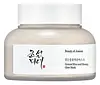 Key Ingredients
Benefits
Concerns
Ingredients Side-by-side
Water
Skin ConditioningKaolin
Abrasive



Honey
Humectant
Glycerin
Humectant

Propanediol
Solvent
Dipropylene Glycol
HumectantOryza Sativa Hull Powder
Abrasive
Isononyl Isononanoate
Emollient1,2-Hexanediol
Skin Conditioning
Cetyl Alcohol
Emollient



Caprylic/Capric Triglyceride
Masking
Polyglyceryl-3 Methylglucose Distearate
Emulsifying
Glyceryl Stearate
Emollient
Butylene Glycol
Humectant
Oryza Sativa Bran
Abrasive
Oryza Sativa Lees Extract
Skin ConditioningOryza Sativa Extract
Absorbent


Honey Extract
Humectant
Bentonite
Absorbent
Palmitic Acid
Emollient
Stearic Acid
Cleansing
Behenyl Alcohol
Emollient
Cellulose
Absorbent
Zea Mays Starch
Absorbent
Xanthan Gum
EmulsifyingHydroxyacetophenone
Antioxidant
Potassium Cetyl Phosphate
EmulsifyingEthylhexylglycerin
Skin ConditioningPolyacrylate-13
Hydrogenated Polyisobutene
EmollientSodium Phytate
Polyglyceryl-10 Laurate
Skin Conditioning
Ethylhexyl Palmitate
Emollient

Sorbitan Isostearate
Emulsifying
Menthyl Lactate
Masking
Water, Kaolin, Honey, Glycerin, Propanediol, Dipropylene Glycol, Oryza Sativa Hull Powder, Isononyl Isononanoate, 1,2-Hexanediol, Cetyl Alcohol, Caprylic/Capric Triglyceride, Polyglyceryl-3 Methylglucose Distearate, Glyceryl Stearate, Butylene Glycol, Oryza Sativa Bran, Oryza Sativa Lees Extract, Oryza Sativa Extract, Honey Extract, Bentonite, Palmitic Acid, Stearic Acid, Behenyl Alcohol, Cellulose, Zea Mays Starch, Xanthan Gum, Hydroxyacetophenone, Potassium Cetyl Phosphate, Ethylhexylglycerin, Polyacrylate-13, Hydrogenated Polyisobutene, Sodium Phytate, Polyglyceryl-10 Laurate, Ethylhexyl Palmitate, Sorbitan Isostearate, Menthyl Lactate
Water
Skin ConditioningKaolin
Abrasive
Glycerin
Humectant
Caprylic/Capric Triglyceride
Masking
Hectorite
Absorbent1,2-Hexanediol
Skin Conditioning
Glyceryl Stearate Se
Emulsifying
Sorbitan Olivate
Emulsifying
Cetearyl Olivate
Cetyl Alcohol
Emollient
Phoenix Dactylifera Fruit Extract
EmollientFicus Carica Fruit Extract
Humectant
Portulaca Oleracea Extract
Skin Conditioning
Sodium Hyaluronate
Humectant
Ceramide NP
Skin Conditioning
Ethylhexylglycerin
Skin ConditioningPyrus Communis Fruit Extract
Skin ConditioningSodium Acrylate/Sodium Acryloyldimethyl Taurate Copolymer
Emulsion StabilisingHedera Helix Leaf/Stem Extract
AntimicrobialPolyisobutene
Butylene Glycol
Humectant
Opuntia Ficus-Indica Stem Extract
Skin Conditioning
Opuntia Coccinellifera Fruit Extract
Skin ConditioningFragaria Chiloensis Fruit Extract
Skin Conditioning
Pyrus Malus Leaf Extract
Skin ConditioningAdansonia Digitata Seed Extract
Skin ConditioningSorbitan Oleate
Emulsifying
Caprylyl/Capryl Glucoside
CleansingCrithmum Maritimum Callus Culture Filtrate
Skin ProtectingCentella Asiatica Extract
Cleansing
Water, Kaolin, Glycerin, Caprylic/Capric Triglyceride, Hectorite, 1,2-Hexanediol, Glyceryl Stearate Se, Sorbitan Olivate, Cetearyl Olivate, Cetyl Alcohol, Phoenix Dactylifera Fruit Extract, Ficus Carica Fruit Extract, Portulaca Oleracea Extract, Sodium Hyaluronate, Ceramide NP, Ethylhexylglycerin, Pyrus Communis Fruit Extract, Sodium Acrylate/Sodium Acryloyldimethyl Taurate Copolymer, Hedera Helix Leaf/Stem Extract, Polyisobutene, Butylene Glycol, Opuntia Ficus-Indica Stem Extract, Opuntia Coccinellifera Fruit Extract, Fragaria Chiloensis Fruit Extract, Pyrus Malus Leaf Extract, Adansonia Digitata Seed Extract, Sorbitan Oleate, Caprylyl/Capryl Glucoside, Crithmum Maritimum Callus Culture Filtrate, Centella Asiatica Extract
Reviews
Ingredients Explained
These ingredients are found in both products.
Ingredients higher up in an ingredient list are typically present in a larger amount.
1,2-Hexanediol is a synthetic liquid and another multi-functional powerhouse.
It is a:
- Humectant, drawing moisture into the skin
- Emollient, helping to soften skin
- Solvent, dispersing and stabilizing formulas
- Preservative booster, enhancing the antimicrobial activity of other preservatives
Butylene Glycol (or BG) is used within cosmetic products for a few different reasons:
Overall, Butylene Glycol is a safe and well-rounded ingredient that works well with other ingredients.
Though this ingredient works well with most skin types, some people with sensitive skin may experience a reaction such as allergic rashes, closed comedones, or itchiness.
Learn more about Butylene GlycolCaprylic/Capric Triglyceride (aka MCT Oil) is a lightweight emollient, solvent, and texture enhancer. It is considered a skin-softener by helping to prevent moisture loss.
Though it behaves like an oil, it is not technically one due to its chemical composition. One perk of this ingredient is that it is very stable, resistant to oxidation, and unlikely to go rancid.
In practice, that translates to a long shelf life and a consistently elegant skin feel.
While there is an assumption Caprylic Triglyceride can clog pores due to it being derived from coconut oil, there is no research supporting this. Just patch test if you have concerns.
Fractionated coconut oil and MCT Oil are both listed as Caprylic/Capric Triglyceride according to INCI. This is because INCI names are based on the ingredient’s final chemical composition and not its marketing name or source.
This ingredient is treated as the gold standard fungal acne safe oil. Even though it is coconut derived, the problematic lauric acid is stripped out.
This leaves just caprylic (C8) and capric (C10) acid. These chain lengths actually trend antifungal; a 2020 study found caprylic acid was enough to disrupt Malassezia furfur cell membrane, with a caprylic acid derivative damaging membrane structures at concentrations as low as 0.2%.
Learn more about Caprylic/Capric TriglycerideCetyl Alcohol is a fatty alcohol. Fatty Alcohols are most often used as an emollient or to thicken a product.
Its main roles are:
Though it has "alcohol" in the name, it is not related to denatured alcohol or ethyl alcohol.
The FDA allows products labeled "alcohol-free" to have fatty alcohols.
This ingredient may not be fungal acne safe. It is a primary fatty alcohol with a chain length above 12 carbons. A study from 2019 show Malassezia can feed on fatty alcohols in this range, so it may trigger fungal acne in those prone to it.
Learn more about Cetyl AlcoholEthylhexylglycerin is created from glycerin. It is a multitasker ingredient that:
The CIR Expert Panel found minimal skin absorption or sensitization of any kind in a safety assessment. Though this ingredient is considered well-tolerated, a small number of cases of allergic dermatitis have been published since 2002. Just be sure to patch test if you are unsure.
Industry-reported use ranges from 8% in rinse-off products and 2% in leave-on formulations.
Learn more about EthylhexylglycerinGlycerin (or glycerol) is a compound naturally found in your skin. It's a powerhouse humectant that pulls water into the stratum corneum.
Topically, glycerin does several things at once:
Your skin makes glycerin on its own (mostly from sebaceous oil breakdown) and shuttles it to your outermost layer of skin, or your epidermis, via aquaporin-3.
Aquaporin-3 is a transporter that is essential for normal skin hydration, elasticity, and repair. Interestingly, mice lacking in AQP3 have dry and less elastic skin that can be fully corrected with glycerin.
This ingredient is non-irritating, plays well with almost every ingredient, and works across all skin types. Typical use is anywhere between 3-10% but can go up to 79% in some leave-on products.
Just know very high concentrations (>40%) can feel tacky in low humidity.
Glycerin is the name for this ingredient in American English. British English uses Glycerol/Glycerine.
Learn more about GlycerinKaolin is a clay. It is used for oil control and to help minimize pores. Like other clays, kaolin has the ability to absorb excess sebum or oil. This can help clean out pores and mattify the skin.
Some types of kaolin may have exfoliating properties. When water is added to kaolin, it becomes a paste with small abrasive particles.
Most kaolin is a white color, but may be pink/orange/red depending on where it comes from.
The name 'kaolin' comes from a Chinese village named 'Gaoling'. Kaolin clay comes from rocks rich in kaolinite. Kaolinite, the mineral, has a silicate layered structure. Kaolinite is formed from chemical weathering of aluminum siilicate minerals.
Besides skincare, kaolin is commonly used to make glossy paper, in ceramics, toothpaste, and as medicine to soothe stomach issues.
Learn more about KaolinWater. It's the most common cosmetic ingredient of all. You'll usually see it at the top of ingredient lists, meaning that it makes up the largest part of the product.
So why is it so popular? Water most often acts as a solvent - this means that it helps dissolve other ingredients into the formulation.
You'll also recognize water as that liquid we all need to stay alive. If you see this, drink a glass of water. Remember to stay hydrated!
Learn more about Water

