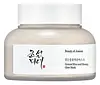
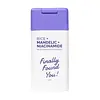
Beauty of Joseon Ground Rice And Honey Glow Mask Versus Finally Found You! Rice + Mandelic + Niacinamide Brightening Powder Mask
This wash off mask is formulated around Mandelic Acid to exfoliate and smooth skin.


What's inside
What's inside
 Key Ingredients
Benefits
Concerns
Ingredients Side-by-side
Water
Skin ConditioningKaolin
Abrasive



Honey
Humectant
Glycerin
Humectant

Propanediol
Solvent
Dipropylene Glycol
HumectantOryza Sativa Hull Powder
Abrasive
Isononyl Isononanoate
Emollient1,2-Hexanediol
Skin Conditioning
Cetyl Alcohol
Emollient



Caprylic/Capric Triglyceride
Masking
Polyglyceryl-3 Methylglucose Distearate
Emulsifying
Glyceryl Stearate
Emollient
Butylene Glycol
Humectant
Oryza Sativa Bran
Abrasive
Oryza Sativa Lees Extract
Skin ConditioningOryza Sativa Extract
Absorbent


Honey Extract
Humectant
Bentonite
Absorbent
Palmitic Acid
Emollient


Stearic Acid
Cleansing
Behenyl Alcohol
Emollient
Cellulose
Absorbent
Zea Mays Starch
Absorbent
Xanthan Gum
EmulsifyingHydroxyacetophenone
Antioxidant
Potassium Cetyl Phosphate
EmulsifyingEthylhexylglycerin
Skin ConditioningPolyacrylate-13
Hydrogenated Polyisobutene
EmollientSodium Phytate
ChelatingPolyglyceryl-10 Laurate
Skin Conditioning
Ethylhexyl Palmitate
Emollient
Sorbitan Isostearate
Emulsifying
Menthyl Lactate
Masking
Water, Kaolin, Honey, Glycerin, Propanediol, Dipropylene Glycol, Oryza Sativa Hull Powder, Isononyl Isononanoate, 1,2-Hexanediol, Cetyl Alcohol, Caprylic/Capric Triglyceride, Polyglyceryl-3 Methylglucose Distearate, Glyceryl Stearate, Butylene Glycol, Oryza Sativa Bran, Oryza Sativa Lees Extract, Oryza Sativa Extract, Honey Extract, Bentonite, Palmitic Acid, Stearic Acid, Behenyl Alcohol, Cellulose, Zea Mays Starch, Xanthan Gum, Hydroxyacetophenone, Potassium Cetyl Phosphate, Ethylhexylglycerin, Polyacrylate-13, Hydrogenated Polyisobutene, Sodium Phytate, Polyglyceryl-10 Laurate, Ethylhexyl Palmitate, Sorbitan Isostearate, Menthyl Lactate
Zea Mays Starch
Absorbent
Kaolin
Abrasive
Sodium Bicarbonate
Abrasive
Sodium Lauroyl Glutamate
SurfactantSodium Cocoyl Isethionate
Cleansing
Mandelic Acid
Antimicrobial


Niacinamide
Smoothing

Lauric Acid
Cleansing
Sodium Polyacrylate
Absorbent
Phenoxyethanol
Preservative
Diglycerin
Humectant
Sodium Benzoate
Masking
Allantoin
Skin Conditioning
Oryza Sativa Powder
Sodium Polyacryloyldimethyl Taurate
Emulsion StabilisingWater
Skin ConditioningOryza Sativa Germ Powder
Abrasive
Tocopheryl Acetate
Antioxidant
Propylene Glycol
Humectant
Avena Sativa Kernel Extract
Abrasive
Oryza Sativa Germ Extract
EmollientPEG-7 Glyceryl Cocoate
Emulsifying
Glycerin
Humectant
Alpha-Arbutin
Antioxidant
1,2-Hexanediol
Skin Conditioning
Citric Acid
Buffering
Ceramide NP
Skin Conditioning
Potassium Sorbate
Preservative
Zea Mays Starch, Kaolin, Sodium Bicarbonate, Sodium Lauroyl Glutamate, Sodium Cocoyl Isethionate, Mandelic Acid, Niacinamide, Lauric Acid, Sodium Polyacrylate, Phenoxyethanol, Diglycerin, Sodium Benzoate, Allantoin, Oryza Sativa Powder, Sodium Polyacryloyldimethyl Taurate, Water, Oryza Sativa Germ Powder, Tocopheryl Acetate, Propylene Glycol, Avena Sativa Kernel Extract, Oryza Sativa Germ Extract, PEG-7 Glyceryl Cocoate, Glycerin, Alpha-Arbutin, 1,2-Hexanediol, Citric Acid, Ceramide NP, Potassium Sorbate
Reviews
Ingredients Explained
These ingredients are found in both products.
Ingredients higher up in an ingredient list are typically present in a larger amount.
1,2-Hexanediol is a synthetic liquid and another multi-functional powerhouse.
It is a:
- Humectant, drawing moisture into the skin
- Emollient, helping to soften skin
- Solvent, dispersing and stabilizing formulas
- Preservative booster, enhancing the antimicrobial activity of other preservatives
Glycerin (or glycerol) is a compound naturally found in your skin. It's a powerhouse humectant that pulls water into the stratum corneum.
Topically, glycerin does several things at once:
Your skin makes glycerin on its own (mostly from sebaceous oil breakdown) and shuttles it to your outermost layer of skin, or your epidermis, via aquaporin-3.
Aquaporin-3 is a transporter that is essential for normal skin hydration, elasticity, and repair. Interestingly, mice lacking in AQP3 have dry and less elastic skin that can be fully corrected with glycerin.
This ingredient is non-irritating, plays well with almost every ingredient, and works across all skin types. Typical use is anywhere between 3-10% but can go up to 79% in some leave-on products.
Just know very high concentrations (>40%) can feel tacky in low humidity.
Glycerin is the name for this ingredient in American English. British English uses Glycerol/Glycerine.
Learn more about GlycerinKaolin is a clay. It is used for oil control and to help minimize pores. Like other clays, kaolin has the ability to absorb excess sebum or oil. This can help clean out pores and mattify the skin.
Some types of kaolin may have exfoliating properties. When water is added to kaolin, it becomes a paste with small abrasive particles.
Most kaolin is a white color, but may be pink/orange/red depending on where it comes from.
The name 'kaolin' comes from a Chinese village named 'Gaoling'. Kaolin clay comes from rocks rich in kaolinite. Kaolinite, the mineral, has a silicate layered structure. Kaolinite is formed from chemical weathering of aluminum siilicate minerals.
Besides skincare, kaolin is commonly used to make glossy paper, in ceramics, toothpaste, and as medicine to soothe stomach issues.
Learn more about KaolinWater. It's the most common cosmetic ingredient of all. You'll usually see it at the top of ingredient lists, meaning that it makes up the largest part of the product.
So why is it so popular? Water most often acts as a solvent - this means that it helps dissolve other ingredients into the formulation.
You'll also recognize water as that liquid we all need to stay alive. If you see this, drink a glass of water. Remember to stay hydrated!
Learn more about WaterZea Mays Starch is starch made from corn. You might know this as cornstarch . It is used to thicken a product. It can replace talc as an absorbent.
The pH of cornstarch is 5.92.
Cornstarch is a common food ingredient used to thicken soups or to make corn syrup.
Learn more about Zea Mays Starch

