Beauty of Joseon Glow Serum: Propolis + Niacinamide Versus Haruharu Wonder Black Rice Hyaluronic Anti-Wrinkle Serum
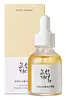
This acne serum is formulated around Propolis Extract and Niacinamide to clear breakouts and brighten dull-looking skin.
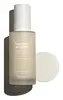
This anti-aging serum is formulated around Oryza Sativa Extract and Hyaluronic Acid to soften the look of wrinkles and hydrate skin.

What's inside
What's inside
 Key Ingredients
Benefits
Concerns
Ingredients Side-by-side
Propolis Extract
Skin Conditioning




Dipropylene Glycol
HumectantGlycerin
Humectant

Butylene Glycol
Humectant
Water
Skin ConditioningNiacinamide
Smoothing






1,2-Hexanediol
Skin Conditioning
Melia Azadirachta Flower Extract
Skin ConditioningMelia Azadirachta Leaf Extract
Skin ConditioningSodium Hyaluronate
Humectant
Curcuma Longa Root Extract
Antioxidant

Ocimum Sanctum Leaf Extract
Skin ConditioningTheobroma Cacao Seed Extract
Antioxidant
Melaleuca Alternifolia Leaf Extract
Perfuming
Centella Asiatica Extract
Cleansing
Corallina Officinalis Extract
Skin Conditioning

Lotus Corniculatus Seed Extract
Skin ConditioningCalophyllum Inophyllum Seed Oil
Antimicrobial


Betaine Salicylate
Antimicrobial

Sodium Polyacryloyldimethyl Taurate
Emulsion StabilisingTromethamine
BufferingPolyglyceryl-10 Laurate
Skin Conditioning
Caprylyl Glycol
Emollient
Ethylhexylglycerin
Skin ConditioningDextrin
AbsorbentPentylene Glycol
Skin Conditioning
Octanediol
Tocopherol
Antioxidant
Xanthan Gum
EmulsifyingCarbomer
Emulsion StabilisingPropolis Extract, Dipropylene Glycol, Glycerin, Butylene Glycol, Water, Niacinamide, 1,2-Hexanediol, Melia Azadirachta Flower Extract, Melia Azadirachta Leaf Extract, Sodium Hyaluronate, Curcuma Longa Root Extract, Ocimum Sanctum Leaf Extract, Theobroma Cacao Seed Extract, Melaleuca Alternifolia Leaf Extract, Centella Asiatica Extract, Corallina Officinalis Extract, Lotus Corniculatus Seed Extract, Calophyllum Inophyllum Seed Oil, Betaine Salicylate, Sodium Polyacryloyldimethyl Taurate, Tromethamine, Polyglyceryl-10 Laurate, Caprylyl Glycol, Ethylhexylglycerin, Dextrin, Pentylene Glycol, Octanediol, Tocopherol, Xanthan Gum, Carbomer
Water
Skin ConditioningGlycerin
Humectant
Lecithin
Emollient
Caprylic/Capric Triglyceride
Masking
Camellia Japonica Seed Oil
Emollient
Hydrogenated Lecithin
Emulsifying
Helianthus Annuus Seed Oil
Emollient
Oryza Sativa Extract
Absorbent
Phyllostachys Pubescens Shoot Bark Extract
Skin ConditioningAspergillus Ferment
Skin ConditioningHyaluronic Acid
Humectant
Panax Ginseng Root Extract
Emollient
Cyclodextrin
AbsorbentSclerotium Gum
Emulsion StabilisingC12-16 Alcohols
EmollientPalmitic Acid
Emollient
Alteromonas Ferment Extract
Skin Conditioning
Usnea Barbata Extract
Zanthoxylum Piperitum Fruit Extract
Skin ConditioningPulsatilla Koreana Extract
Skin ConditioningBeta-Glucan
Skin Conditioning
1,2-Hexanediol
Skin Conditioning
Glycine Soja Sterols
Emollient
Behenyl Alcohol
Emollient
Simmondsia Chinensis Seed Oil
Emollient
Glyceryl Stearate
Emollient
Sodium Phytate
ChelatingTocopherol
Antioxidant
Adenosine
Skin Conditioning
Phenethyl Alcohol
MaskingButylene Glycol
Humectant
Alcohol
Antimicrobial

Lavandula Angustifolia Oil
Masking

Linalool
Perfuming
Limonene
Perfuming
Water, Glycerin, Lecithin, Caprylic/Capric Triglyceride, Camellia Japonica Seed Oil, Hydrogenated Lecithin, Helianthus Annuus Seed Oil, Oryza Sativa Extract, Phyllostachys Pubescens Shoot Bark Extract, Aspergillus Ferment, Hyaluronic Acid, Panax Ginseng Root Extract, Cyclodextrin, Sclerotium Gum, C12-16 Alcohols, Palmitic Acid, Alteromonas Ferment Extract, Usnea Barbata Extract, Zanthoxylum Piperitum Fruit Extract, Pulsatilla Koreana Extract, Beta-Glucan, 1,2-Hexanediol, Glycine Soja Sterols, Behenyl Alcohol, Simmondsia Chinensis Seed Oil, Glyceryl Stearate, Sodium Phytate, Tocopherol, Adenosine, Phenethyl Alcohol, Butylene Glycol, Alcohol, Lavandula Angustifolia Oil, Linalool, Limonene
Reviews
Ingredients Explained
These ingredients are found in both products.
Ingredients higher up in an ingredient list are typically present in a larger amount.
1,2-Hexanediol is a synthetic liquid and another multi-functional powerhouse.
It is a:
- Humectant, drawing moisture into the skin
- Emollient, helping to soften skin
- Solvent, dispersing and stabilizing formulas
- Preservative booster, enhancing the antimicrobial activity of other preservatives
Butylene Glycol (or BG) is used within cosmetic products for a few different reasons:
Overall, Butylene Glycol is a safe and well-rounded ingredient that works well with other ingredients.
Though this ingredient works well with most skin types, some people with sensitive skin may experience a reaction such as allergic rashes, closed comedones, or itchiness.
Learn more about Butylene GlycolGlycerin (or glycerol) is a compound naturally found in your skin. It's a powerhouse humectant that pulls water into the stratum corneum.
Topically, glycerin does several things at once:
Your skin makes glycerin on its own (mostly from sebaceous oil breakdown) and shuttles it to your outermost layer of skin, or your epidermis, via aquaporin-3.
Aquaporin-3 is a transporter that is essential for normal skin hydration, elasticity, and repair. Interestingly, mice lacking in AQP3 have dry and less elastic skin that can be fully corrected with glycerin.
This ingredient is non-irritating, plays well with almost every ingredient, and works across all skin types. Typical use is anywhere between 3-10% but can go up to 79% in some leave-on products.
Just know very high concentrations (>40%) can feel tacky in low humidity.
Glycerin is the name for this ingredient in American English. British English uses Glycerol/Glycerine.
Learn more about GlycerinTocopherol is a fat-soluble antioxidant known as Vitamin E.
You'll find this ingredient in the vast majority of skincare (for good reason). It works to neutralize free radicals, or unstable molecules generated by UV exposure, pollution, and other environmental stressors, before they can cause oxidative damage to your skin cells.
Topically applied tocopherol has been shown to protect against UV damage by ramping up the skin's own natural defense enzymes.
It also acts as a skin conditioning agent; some studies show that regular topical use can improve the skin's water-binding capacity over 2-4 weeks.
This ingredient is especially loved for being a team player. When combined with Vitamin C, the photoprotective effect of both ingredients roughly doubles and the combo also helps reduce UV-induced DNA damage.
This ingredient has some brightening potential but it's more of a prevention ingredient than spot-fader. Cell studies show it can slow down melanin production but it's worth noting that it's not the most powerful brightener out there.
In formulations, it also serves as a stabilizer that helps protect other oxidation-prone ingredients from degrading.
Concentrations usually range from 0.1-1% in most leave-on products.
Learn more about TocopherolWater. It's the most common cosmetic ingredient of all. You'll usually see it at the top of ingredient lists, meaning that it makes up the largest part of the product.
So why is it so popular? Water most often acts as a solvent - this means that it helps dissolve other ingredients into the formulation.
You'll also recognize water as that liquid we all need to stay alive. If you see this, drink a glass of water. Remember to stay hydrated!
Learn more about Water

