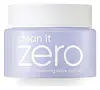
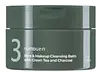
Banila Co Clean It Zero Cleansing Balm Versus Numbuzin No.3 Pore & Makeup Cleansing Balm with Green Tea and Charcoal
This oil-based makeup remover is made to dissolve makeup, sunscreen, and daily buildup.
This oil-based makeup remover is made to dissolve makeup, sunscreen, and daily buildup.

What's inside
What's inside
 Key Ingredients
Benefits
Concerns
Ingredients Side-by-side
Cetyl Ethylhexanoate
EmollientCaprylic/Capric Triglyceride
Masking


PEG-20 Glyceryl Triisostearate
Emollient

PEG-10 Isostearate
Emulsifying
Synthetic Wax
Abrasive

Water
Skin ConditioningPhenoxyethanol
Preservative
Butylene Glycol
Humectant
Parfum
Masking



Tocopheryl Acetate
Antioxidant


Oenothera Biennis Oil
Emollient



Argania Spinosa Kernel Oil
Emollient

Ethylhexylglycerin
Skin ConditioningAnthemis Nobilis Flower Water
Masking
Glycerin
Humectant
Centella Asiatica Extract
Cleansing

Epilobium Angustifolium Flower/Leaf/Stem Extract
Skin ConditioningScutellaria Baicalensis Root Extract
Astringent
Polygonum Cuspidatum Root Extract
Antioxidant
Glycyrrhiza Glabra Root Extract
Bleaching
Camellia Sinensis Leaf Extract
Antimicrobial
1,2-Hexanediol
Skin Conditioning
Citric Acid
Buffering
Rosmarinus Officinalis Leaf Extract
AntimicrobialChamomilla Recutita Flower Extract
Masking
Calendula Officinalis Flower Extract
Masking
Portulaca Oleracea Extract
Skin Conditioning
Althaea Rosea Flower Extract
Skin ConditioningAloe Barbadensis Leaf Extract
Emollient
Sodium Benzoate
Masking
Bambusa Vulgaris Leaf/Stem Extract
HumectantAspalathus Linearis Extract
Skin ConditioningAngelica Archangelica Root Extract
Masking
Malpighia Glabra Fruit Extract
Skin ConditioningPotassium Sorbate
Preservative
Sodium Metabisulfite
Antioxidant
Zea Mays Oil
Emulsifying
Beta-Carotene
Skin ConditioningPolydiethyleneglycol Adipate/Ipdi Copolymer
Acrylates/Ammonium Methacrylate Copolymer
Acrylates/Methoxy PEG-15 Methacrylate Copolymer
Tocopherol
Antioxidant
Cetyl Ethylhexanoate, Caprylic/Capric Triglyceride, PEG-20 Glyceryl Triisostearate, PEG-10 Isostearate, Synthetic Wax, Water, Phenoxyethanol, Butylene Glycol, Parfum, Tocopheryl Acetate, Oenothera Biennis Oil, Argania Spinosa Kernel Oil, Ethylhexylglycerin, Anthemis Nobilis Flower Water, Glycerin, Centella Asiatica Extract, Epilobium Angustifolium Flower/Leaf/Stem Extract, Scutellaria Baicalensis Root Extract, Polygonum Cuspidatum Root Extract, Glycyrrhiza Glabra Root Extract, Camellia Sinensis Leaf Extract, 1,2-Hexanediol, Citric Acid, Rosmarinus Officinalis Leaf Extract, Chamomilla Recutita Flower Extract, Calendula Officinalis Flower Extract, Portulaca Oleracea Extract, Althaea Rosea Flower Extract, Aloe Barbadensis Leaf Extract, Sodium Benzoate, Bambusa Vulgaris Leaf/Stem Extract, Aspalathus Linearis Extract, Angelica Archangelica Root Extract, Malpighia Glabra Fruit Extract, Potassium Sorbate, Sodium Metabisulfite, Zea Mays Oil, Beta-Carotene, Polydiethyleneglycol Adipate/Ipdi Copolymer, Acrylates/Ammonium Methacrylate Copolymer, Acrylates/Methoxy PEG-15 Methacrylate Copolymer, Tocopherol
Caprylic/Capric Triglyceride
Masking
Ethylhexyl Palmitate
Emollient
Sorbeth-30 Tetraoleate
Emulsifying
Triethylhexanoin
MaskingSynthetic Wax
Abrasive
Polysorbate 85
Emulsifying
Silica Dimethyl Silylate
EmollientCamellia Sinensis Leaf Powder
Rosmarinus Officinalis Leaf Oil
Masking
Camellia Sinensis Seed Oil
Humectant
Camellia Sinensis Leaf Water
Masking
Charcoal Powder
Abrasive
Poly(Dipropyleneglycol Adipate)
Chromium Oxide Greens
Pentaerythrityl Tetra-Di-T-Butyl Hydroxyhydrocinnamate
Antioxidant
Illite
Abrasive
Montmorillonite
AbsorbentKaolin
Abrasive
1,2-Hexanediol
Skin Conditioning
Caprylic/Capric Triglyceride, Ethylhexyl Palmitate, Sorbeth-30 Tetraoleate, Triethylhexanoin, Synthetic Wax, Polysorbate 85, Silica Dimethyl Silylate, Camellia Sinensis Leaf Powder, Rosmarinus Officinalis Leaf Oil, Camellia Sinensis Seed Oil, Camellia Sinensis Leaf Water, Charcoal Powder, Poly(Dipropyleneglycol Adipate), Chromium Oxide Greens, Pentaerythrityl Tetra-Di-T-Butyl Hydroxyhydrocinnamate, Illite, Montmorillonite, Kaolin, 1,2-Hexanediol
Reviews
Ingredients Explained
These ingredients are found in both products.
Ingredients higher up in an ingredient list are typically present in a larger amount.
1,2-Hexanediol is a synthetic liquid and another multi-functional powerhouse.
It is a:
- Humectant, drawing moisture into the skin
- Emollient, helping to soften skin
- Solvent, dispersing and stabilizing formulas
- Preservative booster, enhancing the antimicrobial activity of other preservatives
Caprylic/Capric Triglyceride (aka MCT Oil) is a lightweight emollient, solvent, and texture enhancer. It is considered a skin-softener by helping to prevent moisture loss.
Though it behaves like an oil, it is not technically one due to its chemical composition. One perk of this ingredient is that it is very stable, resistant to oxidation, and unlikely to go rancid.
In practice, that translates to a long shelf life and a consistently elegant skin feel.
While there is an assumption Caprylic Triglyceride can clog pores due to it being derived from coconut oil, there is no research supporting this. Just patch test if you have concerns.
Fractionated coconut oil and MCT Oil are both listed as Caprylic/Capric Triglyceride according to INCI. This is because INCI names are based on the ingredient’s final chemical composition and not its marketing name or source.
This ingredient is treated as the gold standard fungal acne safe oil. Even though it is coconut derived, the problematic lauric acid is stripped out.
This leaves just caprylic (C8) and capric (C10) acid. These chain lengths actually trend antifungal; a 2020 study found caprylic acid was enough to disrupt Malassezia furfur cell membrane, with a caprylic acid derivative damaging membrane structures at concentrations as low as 0.2%.
Learn more about Caprylic/Capric TriglycerideSynthetic Wax is a manufactured hydrocarbon wax. In formulas, it works as an occlusive emollient that helps reduce water loss and improves the spreadability of products.
Research comparing synthetic wax to traditional mineral-derived products found that formulas containing it perform as well for skin hydration.
It is considered non-comedogenic and vegan-friendly.
This ingredient has a well-established safety record by the CIR Expert Panel for Cosmetic Ingredient Safety.
Synthetic Waxes are straight/branched-chain hydrocarbons with no ester bond or fatty acids. That means there is nothing for the Malassezia yeast to feed on.
Learn more about Synthetic Wax

