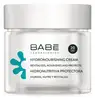
This barrier-repair day moisturizer is formulated around Butyrospermum Parkii Butter and Simmondsia Chinensis Seed Oil to strengthen the skin barrier and hydrate skin.
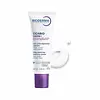
This barrier-repair moisturizer is formulated around Caprylic/Capric Triglyceride and Sodium Hyaluronate to strengthen the skin barrier and calm redness.


What's inside
What's inside
 Key Ingredients
Benefits
Concerns
Ingredients Side-by-side
Water
Skin ConditioningEthylhexyl Methoxycinnamate
UV Absorber


Octocrylene
UV Absorber
C12-20 Acid PEG-8 Ester
Emulsifying

C12-15 Alkyl Benzoate
AntimicrobialGlyceryl Stearate
Emollient
PEG-100 Stearate
Surfactant
Butyl Methoxydibenzoylmethane
UV Absorber
Butyrospermum Parkii Butter
Skin Conditioning



Diethylhexyl Carbonate
EmollientDimethicone
Emollient

Isohexadecane
EmollientPentylene Glycol
Skin Conditioning
PEG-8 Beeswax
Emulsifying
Simmondsia Chinensis Seed Oil
Emollient
Tocopheryl Acetate
Antioxidant


Sodium PCA
Humectant
Urea
Buffering

Glutamic Acid
Humectant
Glycine
Buffering
Lysine
Skin ConditioningSodium Hyaluronate
Humectant


Gluconolactone
Chelating



Allantoin
Skin Conditioning
Carbomer
Emulsion StabilisingGlucose
Humectant
Glycerin
Humectant
Calcium Gluconate
HumectantTocopherol
Antioxidant
Parfum
Masking

Ethylhexylglycerin
Skin ConditioningBHT
Antioxidant
Phenoxyethanol
Preservative
Tetrasodium Glutamate Diacetate
ChelatingSodium Hydroxide
BufferingLactic Acid
Buffering
Potassium Sorbate
Preservative
Sodium Benzoate
Masking
Water, Ethylhexyl Methoxycinnamate, Octocrylene, C12-20 Acid PEG-8 Ester, C12-15 Alkyl Benzoate, Glyceryl Stearate, PEG-100 Stearate, Butyl Methoxydibenzoylmethane, Butyrospermum Parkii Butter, Diethylhexyl Carbonate, Dimethicone, Isohexadecane, Pentylene Glycol, PEG-8 Beeswax, Simmondsia Chinensis Seed Oil, Tocopheryl Acetate, Sodium PCA, Urea, Glutamic Acid, Glycine, Lysine, Sodium Hyaluronate, Gluconolactone, Allantoin, Carbomer, Glucose, Glycerin, Calcium Gluconate, Tocopherol, Parfum, Ethylhexylglycerin, BHT, Phenoxyethanol, Tetrasodium Glutamate Diacetate, Sodium Hydroxide, Lactic Acid, Potassium Sorbate, Sodium Benzoate
Water
Skin ConditioningCaprylic/Capric Triglyceride
Masking
Glycerin
Humectant
Polyglyceryl-3 Polyricinoleate
Emulsifying
Brassica Campestris Seed Oil
Skin Conditioning
Butylene Glycol
Humectant
Tapioca Starch
Hydrogenated Rapeseed Oil
Emollient
Xylose
HumectantPolyglyceryl-3 Diisostearate
Emulsifying
Simmondsia Chinensis Seed Oil
Emollient
Magnesium Sulfate
Pentylene Glycol
Skin Conditioning
Squalane
Emollient
1,2-Hexanediol
Skin Conditioning
Caprylyl Glycol
Emollient
Sodium Polyglutamate
HumectantSodium Citrate
BufferingXanthan Gum
EmulsifyingSodium Hyaluronate
Humectant
Tocopherol
Antioxidant
Mannitol
Humectant
Rhamnose
HumectantXylitol
Humectant
Acetyl Dipeptide-1 Cetyl Ester
Skin Conditioning
Helianthus Annuus Seed Oil
Emollient
Citric Acid
Buffering
Fructooligosaccharides
Humectant
Water, Caprylic/Capric Triglyceride, Glycerin, Polyglyceryl-3 Polyricinoleate, Brassica Campestris Seed Oil, Butylene Glycol, Tapioca Starch, Hydrogenated Rapeseed Oil, Xylose, Polyglyceryl-3 Diisostearate, Simmondsia Chinensis Seed Oil, Magnesium Sulfate, Pentylene Glycol, Squalane, 1,2-Hexanediol, Caprylyl Glycol, Sodium Polyglutamate, Sodium Citrate, Xanthan Gum, Sodium Hyaluronate, Tocopherol, Mannitol, Rhamnose, Xylitol, Acetyl Dipeptide-1 Cetyl Ester, Helianthus Annuus Seed Oil, Citric Acid, Fructooligosaccharides
Reviews
Ingredients Explained
These ingredients are found in both products.
Ingredients higher up in an ingredient list are typically present in a larger amount.
Glycerin (or glycerol) is a compound naturally found in your skin. It's a powerhouse humectant that pulls water into the stratum corneum.
Topically, glycerin does several things at once:
Your skin makes glycerin on its own (mostly from sebaceous oil breakdown) and shuttles it to your outermost layer of skin, or your epidermis, via aquaporin-3.
Aquaporin-3 is a transporter that is essential for normal skin hydration, elasticity, and repair. Interestingly, mice lacking in AQP3 have dry and less elastic skin that can be fully corrected with glycerin.
This ingredient is non-irritating, plays well with almost every ingredient, and works across all skin types. Typical use is anywhere between 3-10% but can go up to 79% in some leave-on products.
Just know very high concentrations (>40%) can feel tacky in low humidity.
Glycerin is the name for this ingredient in American English. British English uses Glycerol/Glycerine.
Learn more about GlycerinPentylene Glycol (1,2-pentanediol) is a multitasking little diol with three main roles in a formula:
Research on alkanediols (the family pentylene glycol belongs to) show they work by disrupting microbial cell membranes. This disruption helps the primary preservative system in a product work more effectively at lower doses.
On the safety side, the Cosmetic Ingredient Review Expert Panel has concluded this ingredient to be safe as used in current cosmetic practices + concentrations.
Typical use levels in a formula run about 1-5%.
Learn more about Pentylene GlycolJojoba oil is one of the most well-studied plant-derived ingredients in cosmetics. It is an emollient with a special structure.
Because it is made up of 97-98% wax esters, it closely mirrors the linear monoesters found in human sebum. This makes it skin compatible, non-greasy, and lightweight.
Unlike other plant oils, jojoba wax doesn't easily penetrate skin. It mostly works in the uppermost layers as an emollient. This just means it forms a light barrier on the skin to help retain moisture.
Formulations with jojoba esters up to 90% reduced transepidermal water loss (TEWL) and increased barrier recovery by 81% (outperforming bisabolol at 47%).
Besides barrier support, the science also suggests jojoba to have anti-inflammatory effects and potential applications for skin infections, aging, and wound healing.
Fun fact: Indigenous cultures have used jojoba as a moisturizer and to help treat burns for centuries.
Fungal acne: The Malassezia yeast is known to metabolize fatty acids in the C11-24 range and jojoba's dominant fatty acid components fall into this range. This ingredient may not be fungal acne safe.
Learn more about Simmondsia Chinensis Seed OilSodium Hyaluronate is the salt form of hyaluronic acid. It is a long sugar chain that is naturally found in your skin, joints, and connective tissue that maintains hydration and elasticity.
In skincare, it works as a humectant. It pulls water from the environment and deeper layers of skin and binds it to the surface.
Interestingly, the size of the molecule affects its behavior:
Some clinical evidence links low molecular weight versions to improved wrinkle depth, elasticity, anti-inflammatory effects, and barrier repair.
Many serums use a blend of both weights so you can get surface hydration plus longer-lasting and deeper effects.
You'll typically see concentrations between 0.1-2% for this ingredient.
Learn more about Sodium HyaluronateTocopherol is a fat-soluble antioxidant known as Vitamin E.
You'll find this ingredient in the vast majority of skincare (for good reason). It works to neutralize free radicals, or unstable molecules generated by UV exposure, pollution, and other environmental stressors, before they can cause oxidative damage to your skin cells.
Topically applied tocopherol has been shown to protect against UV damage by ramping up the skin's own natural defense enzymes.
It also acts as a skin conditioning agent; some studies show that regular topical use can improve the skin's water-binding capacity over 2-4 weeks.
This ingredient is especially loved for being a team player. When combined with Vitamin C, the photoprotective effect of both ingredients roughly doubles and the combo also helps reduce UV-induced DNA damage.
This ingredient has some brightening potential but it's more of a prevention ingredient than spot-fader. Cell studies show it can slow down melanin production but it's worth noting that it's not the most powerful brightener out there.
In formulations, it also serves as a stabilizer that helps protect other oxidation-prone ingredients from degrading.
Concentrations usually range from 0.1-1% in most leave-on products.
Learn more about TocopherolWater. It's the most common cosmetic ingredient of all. You'll usually see it at the top of ingredient lists, meaning that it makes up the largest part of the product.
So why is it so popular? Water most often acts as a solvent - this means that it helps dissolve other ingredients into the formulation.
You'll also recognize water as that liquid we all need to stay alive. If you see this, drink a glass of water. Remember to stay hydrated!
Learn more about Water

