
What's inside
What's inside
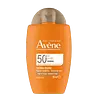 Key Ingredients
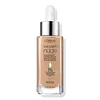
Benefits
Concerns
Ingredients Side-by-side
Water
Skin ConditioningC12-15 Alkyl Benzoate
AntimicrobialDiethylamino Hydroxybenzoyl Hexyl Benzoate
UV Filter
Ethylhexyl Triazone
UV Absorber
Oryza Sativa Starch
AbsorbentPhenylene Bis-Diphenyltriazine
StabilisingBis-Ethylhexyloxyphenol Methoxyphenyl Triazine
Skin Conditioning
Potassium Cetyl Phosphate
EmulsifyingLauryl Glucoside
CleansingPolyglyceryl-2 Dipolyhydroxystearate
Skin Conditioning
Glycerin
Humectant



Tapioca Starch
Trimethylpentanediol/Adipic Acid/Glycerin Crosspolymer
Skin ConditioningAlumina
Abrasive
Benzoic Acid
Masking

Caprylic/Capric Triglyceride
Masking
Caprylyl Glycol
Emollient
Citric Acid
Buffering




Ethylhexylglycerin
Skin ConditioningGlyceryl Laurate
Emollient
CI 77492
Cosmetic ColorantCI 77491
Cosmetic ColorantCI 77499
Cosmetic ColorantIsononyl Isononanoate
EmollientIsopropyl Myristate
Emollient

Isopropyl Titanium Triisostearate
Emollient
Lens Esculenta Seed Extract
Skin ProtectingPentylene Glycol
Skin ConditioningPolyhydroxystearic Acid
Emulsifying
PPG-1-PEG-9 Lauryl Glycol Ether
EmulsifyingPropylene Carbonate
SolventSodium Benzoate
Masking
Sodium Phytate
Stearalkonium Hectorite
Gel FormingCI 77891
Cosmetic ColorantTocopherol
Antioxidant


Tocopheryl Glucoside
EmollientXanthan Gum
EmulsifyingWater, C12-15 Alkyl Benzoate, Diethylamino Hydroxybenzoyl Hexyl Benzoate, Ethylhexyl Triazone, Oryza Sativa Starch, Phenylene Bis-Diphenyltriazine, Bis-Ethylhexyloxyphenol Methoxyphenyl Triazine, Potassium Cetyl Phosphate, Lauryl Glucoside, Polyglyceryl-2 Dipolyhydroxystearate, Glycerin, Tapioca Starch, Trimethylpentanediol/Adipic Acid/Glycerin Crosspolymer, Alumina, Benzoic Acid, Caprylic/Capric Triglyceride, Caprylyl Glycol, Citric Acid, Ethylhexylglycerin, Glyceryl Laurate, CI 77492, CI 77491, CI 77499, Isononyl Isononanoate, Isopropyl Myristate, Isopropyl Titanium Triisostearate, Lens Esculenta Seed Extract, Pentylene Glycol, Polyhydroxystearic Acid, PPG-1-PEG-9 Lauryl Glycol Ether, Propylene Carbonate, Sodium Benzoate, Sodium Phytate, Stearalkonium Hectorite, CI 77891, Tocopherol, Tocopheryl Glucoside, Xanthan Gum
Water
Skin ConditioningIsododecane
EmollientDimethicone
Emollient
Alcohol Denat.
Antimicrobial


Trimethylsiloxysilicate
Emollient
Butylene Glycol
Humectant
PEG-10 Dimethicone
Skin Conditioning
Perlite
AbsorbentSodium Hyaluronate
Humectant
Nylon-12

Isopropyl Lauroyl Sarcosinate
Skin ConditioningDiisopropyl Sebacate
EmollientDisteardimonium Hectorite
StabilisingHdi/Trimethylol Hexyllactone Crosspolymer
Bis-PEG/PPG-14/14 Dimethicone
Emollient
Magnesium Sulfate
Synthetic Fluorphlogopite
Ethylhexyl Hydroxystearate
Emollient
Phenoxyethanol
Preservative
Cellulose
AbsorbentDipentaerythrityl Tetrahydroxystearate/Tetraisostearate
Skin Conditioning
Silica Silylate
EmollientDisodium Stearoyl Glutamate
CleansingCalcium Aluminum Borosilicate
Tocopherol
Antioxidant
Moroccan Lava Clay
Abrasive
Glycerin
Humectant
Empetrum Nigrum Fruit Juice
Skin ConditioningAluminum Hydroxide
EmollientSilica
Abrasive
Potassium Sorbate
Preservative
CI 77491
Cosmetic ColorantCI 77492
Cosmetic ColorantCI 77499
Cosmetic ColorantCI 77891
Cosmetic ColorantCI 77163
Cosmetic ColorantWater, Isododecane, Dimethicone, Alcohol Denat., Trimethylsiloxysilicate, Butylene Glycol, PEG-10 Dimethicone, Perlite, Sodium Hyaluronate, Nylon-12, Isopropyl Lauroyl Sarcosinate, Diisopropyl Sebacate, Disteardimonium Hectorite, Hdi/Trimethylol Hexyllactone Crosspolymer, Bis-PEG/PPG-14/14 Dimethicone, Magnesium Sulfate, Synthetic Fluorphlogopite, Ethylhexyl Hydroxystearate, Phenoxyethanol, Cellulose, Dipentaerythrityl Tetrahydroxystearate/Tetraisostearate, Silica Silylate, Disodium Stearoyl Glutamate, Calcium Aluminum Borosilicate, Tocopherol, Moroccan Lava Clay, Glycerin, Empetrum Nigrum Fruit Juice, Aluminum Hydroxide, Silica, Potassium Sorbate, CI 77491, CI 77492, CI 77499, CI 77891, CI 77163
Reviews
Ingredients Explained
These ingredients are found in both products.
Ingredients higher up in an ingredient list are typically present in a larger amount.
Ci 77491 is also hydrated iron III oxide. It's sole purpose is to give a red/pink hue to products.
Iron III oxides are classified as inorganic chemicals for coloring.
Synthetically created Ci 77491 is considered safer than those naturally found. This is because the synthetically created version may contain less impurities. Iron oxides are generally non-toxic and non-allergenic.
Learn more about CI 77491Ci 77492 is also hydrated iron III oxide. It's sole purpose is to give a yellow hue to products.
Iron III oxides are classified as inorganic chemicals for coloring.
Synthetically created Ci 77492 is considered safer than those naturally found. This is because the synthetically created version may contain less impurities. Iron oxides are generally non-toxic and non-allergenic.
Learn more about CI 77492Ci 77499 is also hydrated iron III oxide. It is created from mixing red and black iron oxides. This helps give shades of darkness to a product.
Iron III oxides are classified as inorganic chemicals for coloring.
Ci 77891 is a white pigment from Titanium dioxide. It is naturally found in minerals such as rutile and ilmenite.
It's main function is to add a white color to cosmetics. It can also be mixed with other colors to create different shades.
Ci 77891 is commonly found in sunscreens due to its ability to block UV rays.
Learn more about CI 77891Glycerin is already naturally found in your skin. It helps moisturize and protect your skin.
A study from 2016 found glycerin to be more effective as a humectant than AHAs and hyaluronic acid.
As a humectant, it helps the skin stay hydrated by pulling moisture to your skin. The low molecular weight of glycerin allows it to pull moisture into the deeper layers of your skin.
Hydrated skin improves your skin barrier; Your skin barrier helps protect against irritants and bacteria.
Glycerin has also been found to have antimicrobial and antiviral properties. Due to these properties, glycerin is often used in wound and burn treatments.
In cosmetics, glycerin is usually derived from plants such as soybean or palm. However, it can also be sourced from animals, such as tallow or animal fat.
This ingredient is organic, colorless, odorless, and non-toxic.
Glycerin is the name for this ingredient in American English. British English uses Glycerol/Glycerine.
Learn more about GlycerinTocopherol (also known as Vitamin E) is a common antioxidant used to help protect the skin from free-radicals and strengthen the skin barrier. It's also fat soluble - this means our skin is great at absorbing it.
Vitamin E also helps keep your natural skin lipids healthy. Your lipid skin barrier naturally consists of lipids, ceramides, and fatty acids. Vitamin E offers extra protection for your skin’s lipid barrier, keeping your skin healthy and nourished.
Another benefit is a bit of UV protection. Vitamin E helps reduce the damage caused by UVB rays. (It should not replace your sunscreen). Combining it with Vitamin C can decrease sunburned cells and hyperpigmentation after UV exposure.
You might have noticed Vitamin E + C often paired together. This is because it is great at stabilizing Vitamin C. Using the two together helps increase the effectiveness of both ingredients.
There are often claims that Vitamin E can reduce/prevent scarring, but these claims haven't been confirmed by scientific research.
Learn more about TocopherolWater. It's the most common cosmetic ingredient of all. You'll usually see it at the top of ingredient lists, meaning that it makes up the largest part of the product.
So why is it so popular? Water most often acts as a solvent - this means that it helps dissolve other ingredients into the formulation.
You'll also recognize water as that liquid we all need to stay alive. If you see this, drink a glass of water. Stay hydrated!
Learn more about Water
