Aveeno Calm + Restore Nourishing Oat Cleanser For Sensitive Skin Versus Dermalogica Micellar Prebiotic Precleanse
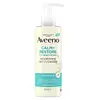
This mild gel cleanser is mild enough to cleanse without leaving skin feeling tight or stripped.
This mild cream cleanser is made to cleanse while respecting your skin barrier.

What's inside
What's inside
 Key Ingredients
Benefits
Concerns
Ingredients Side-by-side
Water
Skin ConditioningGlycerin
Humectant


Butylene Glycol
Humectant
Avena Sativa Kernel Flour
Abrasive

Polysorbate 20
Emulsifying

Chrysanthemum Parthenium Flower/Leaf/Stem Juice
Antioxidant
Ethylhexylglycerin
Skin ConditioningPentylene Glycol
Skin Conditioning
Caprylyl Glycol
Emollient
Zea Mays Starch
Absorbent
Acrylates/C10-30 Alkyl Acrylate Crosspolymer
Emulsion StabilisingSodium Polyacrylate
Absorbent
Disodium EDTA
ChelatingSodium Hydroxide
BufferingCitric Acid
Buffering

Sodium Metabisulfite
Antioxidant
Tocopherol
Antioxidant



Phenoxyethanol
Preservative
Potassium Sorbate
Preservative
Sodium Benzoate
Masking
Water, Glycerin, Butylene Glycol, Avena Sativa Kernel Flour, Polysorbate 20, Chrysanthemum Parthenium Flower/Leaf/Stem Juice, Ethylhexylglycerin, Pentylene Glycol, Caprylyl Glycol, Zea Mays Starch, Acrylates/C10-30 Alkyl Acrylate Crosspolymer, Sodium Polyacrylate, Disodium EDTA, Sodium Hydroxide, Citric Acid, Sodium Metabisulfite, Tocopherol, Phenoxyethanol, Potassium Sorbate, Sodium Benzoate
Water
Skin ConditioningCaprylic/Capric Triglyceride
Masking
C15-19 Alkane
SolventGlycerin
Humectant
Polysorbate 20
Emulsifying
Prunus Armeniaca Kernel Oil
Masking


Helianthus Annuus Seed Oil
Emollient
Avena Sativa Kernel Extract
Abrasive
Ricinus Communis Seed Oil
Masking
Citrus Aurantium Bergamia Fruit Oil
Masking

Santalum Album Oil
Masking
Camellia Oleifera Seed Oil
Skin Conditioning
Citrus Paradisi Peel Oil
Masking
Cucumis Sativus Seed Extract
Skin ConditioningRosmarinus Officinalis Leaf Extract
AntimicrobialVanilla Planifolia Fruit
MaskingHydrolyzed Cottonseed Protein
Skin ConditioningJuniperus Virginiana Oil
Masking
Cinnamomum Camphora Bark Oil
Masking
Myroxylon Pereirae Oil
Masking
Tagetes Minuta Flower Oil
Masking
Thuja Occidentalis Leaf Oil
Masking
Evernia Prunastri Extract
Perfuming
Tocopheryl Acetate
Antioxidant
Hexylene Glycol
EmulsifyingAcrylates/C10-30 Alkyl Acrylate Crosspolymer
Emulsion StabilisingXylitylglucoside
Humectant
Sodium Astrocaryum Murumuruate
EmollientCapryloyl Glycine
CleansingPentylene Glycol
Skin Conditioning
Caprylyl Glycol
Emollient
Saccharide Isomerate
Humectant
Ethylhexylglycerin
Skin ConditioningPEG-60 Hydrogenated Castor Oil
Emulsifying
Potassium Cetyl Phosphate
EmulsifyingTetrasodium Glutamate Diacetate
ChelatingSodium Hydroxide
BufferingCitric Acid
Buffering
Magnesium Aluminum Silicate
Absorbent
Disodium EDTA
ChelatingSodium Citrate
BufferingCistus Ladaniferus Resin
MaskingStyrax Benzoin Resin Extract
Masking
Octadecyl Di-T-Butyl-4-Hydroxyhydrocinnamate
Antioxidant
Phenoxyethanol
Preservative
Potassium Sorbate
Preservative
Sodium Benzoate
Masking
Linalool
Perfuming
Limonene
Perfuming
Benzyl Benzoate
Antimicrobial
Water, Caprylic/Capric Triglyceride, C15-19 Alkane, Glycerin, Polysorbate 20, Prunus Armeniaca Kernel Oil, Helianthus Annuus Seed Oil, Avena Sativa Kernel Extract, Ricinus Communis Seed Oil, Citrus Aurantium Bergamia Fruit Oil, Santalum Album Oil, Camellia Oleifera Seed Oil, Citrus Paradisi Peel Oil, Cucumis Sativus Seed Extract, Rosmarinus Officinalis Leaf Extract, Vanilla Planifolia Fruit, Hydrolyzed Cottonseed Protein, Juniperus Virginiana Oil, Cinnamomum Camphora Bark Oil, Myroxylon Pereirae Oil, Tagetes Minuta Flower Oil, Thuja Occidentalis Leaf Oil, Evernia Prunastri Extract, Tocopheryl Acetate, Hexylene Glycol, Acrylates/C10-30 Alkyl Acrylate Crosspolymer, Xylitylglucoside, Sodium Astrocaryum Murumuruate, Capryloyl Glycine, Pentylene Glycol, Caprylyl Glycol, Saccharide Isomerate, Ethylhexylglycerin, PEG-60 Hydrogenated Castor Oil, Potassium Cetyl Phosphate, Tetrasodium Glutamate Diacetate, Sodium Hydroxide, Citric Acid, Magnesium Aluminum Silicate, Disodium EDTA, Sodium Citrate, Cistus Ladaniferus Resin, Styrax Benzoin Resin Extract, Octadecyl Di-T-Butyl-4-Hydroxyhydrocinnamate, Phenoxyethanol, Potassium Sorbate, Sodium Benzoate, Linalool, Limonene, Benzyl Benzoate
Reviews
Ingredients Explained
These ingredients are found in both products.
Ingredients higher up in an ingredient list are typically present in a larger amount.
Acrylates/C10-30 Alkyl Acrylate Crosspolymer is a synthetic polymer. It is used to thicken, emulsify, and improve the texture of products.
As an emulsifier, it helps stabilize oil-in-water emulsions to give products an elegant feel when applied.
It can also form a thin protective film on skin. One study found that a formula using this polymer helped slow down how quickly other ingredients (like DEET) were absorbed through skin.
A 2024 study of over 1,300 patients confirmed that sensitization to this ingredient is rare. It is also non-mutagenic and has a clean track record.
Learn more about Acrylates/C10-30 Alkyl Acrylate CrosspolymerCaprylyl Glycol is a humectant, skin conditioner, emollient, and preservative booster derived from either caprylic acid or synthetically created.
Typical use levels vary from 0.3-1% as a preservative booster and go up to 2% to condition skin.
Because it is not a free-fatty acid, this ingredient is fungal acne safe (there's nothing for Malassezia to feed on).
Learn more about Caprylyl GlycolCitric Acid is an alpha hydroxy acid (AHA) naturally found in citrus fruits like oranges, lemons, and limes.
Like other AHAs, citric acid can exfoliate skin by breaking down the bonds that hold dead skin cells together. This helps reveal smoother and brighter skin underneath.
However, this exfoliating effect only happens at high concentrations (20%) which can be hard to find in cosmetic products.
Due to this, citric acid is usually included in small amounts as a pH adjuster. This helps keep products slightly more acidic and compatible with skin's natural pH.
In skincare formulas, citric acid can:
While it can provide some skin benefits, research shows lactic acid and glycolic acid are generally more effective and less irritating exfoliants.
Most citric acid used in skincare today is made by fermenting sugars (usually from molasses). This synthetic version is identical to the natural citrus form but easier to stabilize and use in formulations.
Rosacea skin has a lower threshold for acids generally, with 62.5% of rosacea subjects in one study reacting to lactic acid in a sting test. This is why we mark citric acid as a potential rosacea trigger.
However, this ingredient shows up as a pH adjuster or chelator at roughly 0.1-1% in many products. These low levels are unlikely to be an issue for rosacea skin and becomes a potential trigger at exfoliating concentrations (20%). Because everybody's skin is unique, we recommend a patch test if you are unsure.
Learn more about Citric AcidDisodium EDTA is a chelating agent. It grabs onto and deactivates metal ions that sneak into your products from water, packaging, or air.
This ingredient mainly works behind the scenes and helps with:
On top of that, this ingredient can counteract the effects of hard water by binding to the minerals in it.
One thing worth knowing is that Disodium EDTA has been shown to be a mild penetration enhancer. It can help other ingredients absorb into skin more effectively which can be a double-edged sword (great for actives, but can also make the active too strong if you have sensitive skin).
Clinical patch testing showed no significant skin irritation at typical use concentrations and minimal dermal absorption.
You'll most likely see this ingredient near the end of an ingredient list. It's typically found in concentrations less than 1%.
Learn more about Disodium EDTAEthylhexylglycerin is created from glycerin. It is a multitasker ingredient that:
The CIR Expert Panel found minimal skin absorption or sensitization of any kind in a safety assessment. Though this ingredient is considered well-tolerated, a small number of cases of allergic dermatitis have been published since 2002. Just be sure to patch test if you are unsure.
Industry-reported use ranges from 8% in rinse-off products and 2% in leave-on formulations.
Learn more about EthylhexylglycerinGlycerin (or glycerol) is a compound naturally found in your skin. It's a powerhouse humectant that pulls water into the stratum corneum.
Topically, glycerin does several things at once:
Your skin makes glycerin on its own (mostly from sebaceous oil breakdown) and shuttles it to your outermost layer of skin, or your epidermis, via aquaporin-3.
Aquaporin-3 is a transporter that is essential for normal skin hydration, elasticity, and repair. Interestingly, mice lacking in AQP3 have dry and less elastic skin that can be fully corrected with glycerin.
This ingredient is non-irritating, plays well with almost every ingredient, and works across all skin types. Typical use is anywhere between 3-10% but can go up to 79% in some leave-on products.
Just know very high concentrations (>40%) can feel tacky in low humidity.
Glycerin is the name for this ingredient in American English. British English uses Glycerol/Glycerine.
Learn more about GlycerinPentylene Glycol (1,2-pentanediol) is a multitasking little diol with three main roles in a formula:
Research on alkanediols (the family pentylene glycol belongs to) show they work by disrupting microbial cell membranes. This disruption helps the primary preservative system in a product work more effectively at lower doses.
On the safety side, the Cosmetic Ingredient Review Expert Panel has concluded this ingredient to be safe as used in current cosmetic practices + concentrations.
Typical use levels in a formula run about 1-5%.
Learn more about Pentylene GlycolPhenoxyethanol is one of the most widely used preservatives in skincare (and for good reason!).
It has a large spectrum of antimicrobial activity and especially effective bacteria, yeast, and mold while only having a weak effect on your skin's natural microbiome.
On a cellular level, it disrupts the cell membranes of microbes by poking holes that make the cell leak. This shuts down the chemical reactions the microbe needs to make energy so it can no longer survive.
Another perk of this ingredient is that it stays functional across a wide pH range (3-10).
You'll often see it paired with boosters like Ethylhexylglycerin; one study showed that a 1:9 ratio of Ethylhexylglycerin to Phenoxyethanol damages bacterial membranes as effectively as doubling the Phenoxyethanol concentration on its own.
Typical use concentrations range from 0.3-1% depending on the formula, and this ingredient is capped at 1% int the EU.
Safety-wise, the fear mongering does not hold up to the evidence. The EU's Scientific Committee on Consumer Safety and FDA consider it safe as a preservative at up to 1%, including for children of all ages.
Adverse systemic effects only showed up in animal studies at exposures roughly 200x higher than what people get from cosmetics. And despite its very widespread use, this ingredient is a rare sensitizer and allergic reactions are uncommon.
Learn more about PhenoxyethanolPolysorbate 20 is a gentle, water-soluble emulsifier and mild surfactant. It stops oil and water from separating to keep your formulas blended and stable.
It also acts as a mild penetration enhancer by helping active ingredients absorb slightly better.
The common safety discussion around this ingredient involves a manufacturing byproduct called 1,4-dioxane.
Trace amounts can form during production but the EU's Scientific Committee on Consumer Safety has concluded that levels at/below 10 ppm in finished products are safe (commercial products consistently fall within acceptable margins).
True allergic reactions are uncommon and the CIR Expert Panel has confirmed this ingredient to be safe as used in cosmetics.
Because it is derived from lauric acid, it may not be fungal acne safe.
Learn more about Polysorbate 20Potassium Sorbate is a preservative used to prevent yeast and mold in products. It is commonly found in both cosmetic and food products.
This ingredient comes from potassium salt derived from sorbic acid. Sorbic acid is a natural antibiotic and effective against fungus.
Both potassium sorbate and sorbic acid can be found in baked goods, cheeses, dried meats, dried fruit, ice cream, pickles, wine, yogurt, and more.
You'll often find this ingredient used with other preservatives.
Learn more about Potassium SorbateSodium Benzoate is a preservative. It's used in both cosmetic and food products to inhibit the growth of mold and bacteria. It is typically produced synthetically.
Both the US FDA and EU Health Committee have approved the use of sodium benzoate. In the US, levels of 0.1% (of the total product) are allowed.
Sodium benzoate works as a preservative by inhibiting the growth of bacteria inside of cells. It prevents the cell from fermenting a type of sugar using an enzyme called phosphofructokinase.
It is the salt of benzoic acid. Foods containing sodium benzoate include soda, salad dressings, condiments, fruit juices, wines, and snack foods.
Studies for using ascorbic acid and sodium benzoate in cosmetics are lacking, especially in skincare routines with multiple steps.
We always recommend speaking with a professional, such as a dermatologist, if you have any concerns.
Learn more about Sodium BenzoateSodium Hydroxide is also known as lye or caustic soda. It is used to adjust the pH of products; many ingredients require a specific pH to be effective.
In small amounts, sodium hydroxide is considered safe to use. However, large amounts may cause chemical burns due to its high alkaline.
Your skin has a natural pH and acid mantle. This acid mantle helps prevent harmful bacteria from breaking through. The acid mantle also helps keep your skin hydrated.
"Alkaline" refers to a high pH level. A low pH level would be considered acidic.
Learn more about Sodium HydroxideWater. It's the most common cosmetic ingredient of all. You'll usually see it at the top of ingredient lists, meaning that it makes up the largest part of the product.
So why is it so popular? Water most often acts as a solvent - this means that it helps dissolve other ingredients into the formulation.
You'll also recognize water as that liquid we all need to stay alive. If you see this, drink a glass of water. Remember to stay hydrated!
Learn more about Water


