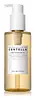
This oil-based makeup remover is made to dissolve makeup, sunscreen, and daily buildup.
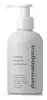
This mild cream cleanser is made to cleanse while respecting your skin barrier.


What's inside
What's inside
 Key Ingredients
No key ingredients
Benefits
Concerns
Ingredients Side-by-side
Ethylhexyl Stearate
Emollient




Cetyl Ethylhexanoate
EmollientSorbeth-30 Tetraoleate
Emulsifying
Caprylic/Capric Triglyceride
Masking


Citrus Aurantium Bergamia Fruit Oil
Masking



Centella Asiatica Extract
Cleansing




Simmondsia Chinensis Seed Oil
Emollient
Olea Europaea Fruit Oil
Masking
Helianthus Annuus Seed Oil
Emollient
Ethylhexylglycerin
Skin ConditioningPelargonium Graveolens Flower Oil
Masking
Rosa Damascena Flower Oil
Masking
Limonene
Perfuming
Linalool
Perfuming
Ethylhexyl Stearate, Cetyl Ethylhexanoate, Sorbeth-30 Tetraoleate, Caprylic/Capric Triglyceride, Citrus Aurantium Bergamia Fruit Oil, Centella Asiatica Extract, Simmondsia Chinensis Seed Oil, Olea Europaea Fruit Oil, Helianthus Annuus Seed Oil, Ethylhexylglycerin, Pelargonium Graveolens Flower Oil, Rosa Damascena Flower Oil, Limonene, Linalool
Water
Skin ConditioningCaprylic/Capric Triglyceride
Masking
C15-19 Alkane
SolventGlycerin
Humectant
Polysorbate 20
Emulsifying
Prunus Armeniaca Kernel Oil
Masking
Helianthus Annuus Seed Oil
Emollient
Avena Sativa Kernel Extract
Abrasive

Ricinus Communis Seed Oil
Masking
Citrus Aurantium Bergamia Fruit Oil
Masking
Santalum Album Oil
Masking
Camellia Oleifera Seed Oil
Skin Conditioning
Citrus Paradisi Peel Oil
Masking
Cucumis Sativus Seed Extract
Skin ConditioningRosmarinus Officinalis Leaf Extract
AntimicrobialVanilla Planifolia Fruit
MaskingHydrolyzed Cottonseed Protein
Skin ConditioningJuniperus Virginiana Oil
Masking
Cinnamomum Camphora Bark Oil
Masking
Myroxylon Pereirae Oil
Masking
Tagetes Minuta Flower Oil
Masking
Thuja Occidentalis Leaf Oil
Masking
Evernia Prunastri Extract
Perfuming
Tocopheryl Acetate
Antioxidant

Hexylene Glycol
EmulsifyingAcrylates/C10-30 Alkyl Acrylate Crosspolymer
Emulsion StabilisingXylitylglucoside
Humectant
Sodium Astrocaryum Murumuruate
EmollientCapryloyl Glycine
CleansingPentylene Glycol
Skin Conditioning
Caprylyl Glycol
Emollient
Saccharide Isomerate
Humectant
Ethylhexylglycerin
Skin ConditioningPEG-60 Hydrogenated Castor Oil
Emulsifying
Potassium Cetyl Phosphate
EmulsifyingTetrasodium Glutamate Diacetate
ChelatingSodium Hydroxide
BufferingCitric Acid
Buffering
Magnesium Aluminum Silicate
Absorbent
Disodium EDTA
ChelatingSodium Citrate
BufferingCistus Ladaniferus Resin
MaskingStyrax Benzoin Resin Extract
Masking
Octadecyl Di-T-Butyl-4-Hydroxyhydrocinnamate
Antioxidant
Phenoxyethanol
Preservative
Potassium Sorbate
Preservative
Sodium Benzoate
Masking
Linalool
Perfuming
Limonene
Perfuming
Benzyl Benzoate
Antimicrobial
Water, Caprylic/Capric Triglyceride, C15-19 Alkane, Glycerin, Polysorbate 20, Prunus Armeniaca Kernel Oil, Helianthus Annuus Seed Oil, Avena Sativa Kernel Extract, Ricinus Communis Seed Oil, Citrus Aurantium Bergamia Fruit Oil, Santalum Album Oil, Camellia Oleifera Seed Oil, Citrus Paradisi Peel Oil, Cucumis Sativus Seed Extract, Rosmarinus Officinalis Leaf Extract, Vanilla Planifolia Fruit, Hydrolyzed Cottonseed Protein, Juniperus Virginiana Oil, Cinnamomum Camphora Bark Oil, Myroxylon Pereirae Oil, Tagetes Minuta Flower Oil, Thuja Occidentalis Leaf Oil, Evernia Prunastri Extract, Tocopheryl Acetate, Hexylene Glycol, Acrylates/C10-30 Alkyl Acrylate Crosspolymer, Xylitylglucoside, Sodium Astrocaryum Murumuruate, Capryloyl Glycine, Pentylene Glycol, Caprylyl Glycol, Saccharide Isomerate, Ethylhexylglycerin, PEG-60 Hydrogenated Castor Oil, Potassium Cetyl Phosphate, Tetrasodium Glutamate Diacetate, Sodium Hydroxide, Citric Acid, Magnesium Aluminum Silicate, Disodium EDTA, Sodium Citrate, Cistus Ladaniferus Resin, Styrax Benzoin Resin Extract, Octadecyl Di-T-Butyl-4-Hydroxyhydrocinnamate, Phenoxyethanol, Potassium Sorbate, Sodium Benzoate, Linalool, Limonene, Benzyl Benzoate
Reviews
Ingredients Explained
These ingredients are found in both products.
Ingredients higher up in an ingredient list are typically present in a larger amount.
Caprylic/Capric Triglyceride (aka MCT Oil) is a lightweight emollient, solvent, and texture enhancer. It is considered a skin-softener by helping to prevent moisture loss.
Though it behaves like an oil, it is not technically one due to its chemical composition. One perk of this ingredient is that it is very stable, resistant to oxidation, and unlikely to go rancid.
In practice, that translates to a long shelf life and a consistently elegant skin feel.
While there is an assumption Caprylic Triglyceride can clog pores due to it being derived from coconut oil, there is no research supporting this. Just patch test if you have concerns.
Fractionated coconut oil and MCT Oil are both listed as Caprylic/Capric Triglyceride according to INCI. This is because INCI names are based on the ingredient’s final chemical composition and not its marketing name or source.
This ingredient is treated as the gold standard fungal acne safe oil. Even though it is coconut derived, the problematic lauric acid is stripped out.
This leaves just caprylic (C8) and capric (C10) acid. These chain lengths actually trend antifungal; a 2020 study found caprylic acid was enough to disrupt Malassezia furfur cell membrane, with a caprylic acid derivative damaging membrane structures at concentrations as low as 0.2%.
Learn more about Caprylic/Capric TriglycerideCitrus Aurantium Bergamia Fruit Oil is the oil from the bergamot orange and is primarily used as a fragrance. It has a "fresh" and "bright orange" scent.
The main aroma compounds found in this ingredient are limonene (~27-52%), linalool (~2-22%), and linalyl acetate (~27-40%). These are known EU fragrance allergens.
The term 'fragrance' is not regulated in many countries. In many cases, it is up to the brand to define this term. For instance, many brands choose to label themselves as "fragrance-free" because they are not using synthetic fragrances. However, their products may still contain ingredients such as essential oils that are considered a fragrance.
When used topically, Citrus Aurantium Bergamia Fruit Oil is a photosensitizer due to the furanocoumarin content. Furanocoumarins absorb UV-A and cause phytophotodermatitis; this can look like redness, blistering, and lasting brown pigmentation on sun-exposed skin.
Due to this, this ingredient is capped at 0.4% in leave-on products applied to sun exposed skin.
Many modern formulas used a "furanocoumarin-free" version that sidesteps the phototoxicity issue, but still contains the fragrance allergens.
Learn more about Citrus Aurantium Bergamia Fruit OilEthylhexylglycerin is created from glycerin. It is a multitasker ingredient that:
The CIR Expert Panel found minimal skin absorption or sensitization of any kind in a safety assessment. Though this ingredient is considered well-tolerated, a small number of cases of allergic dermatitis have been published since 2002. Just be sure to patch test if you are unsure.
Industry-reported use ranges from 8% in rinse-off products and 2% in leave-on formulations.
Learn more about EthylhexylglycerinHelianthus Annuus Seed Oil is a plant oil derived from the seeds of a sunflower.
It is rich in fatty acids, primarily linoleic acid and oleic acid. This gives it emollient and skin conditioning properties.
The reason this ingredient is so effective is because it forms a thin film on the skin that reduces transepidermal water loss (TEWL) while supplying linoleic acid to the stratum corneum to improve barrier strength.
The high linoleic acid content is particularly noteworthy for acne-prone skin.
Research suggests that acne-prone skin tends to be deficient in linoleic acid in sebum. Topical application may help replenish this to support a healthier follicular environment and less comedone-promoting sebum.
One randomized study found sunflower seed oil preserved skin barrier integrity in adult volunteers with and without atopic dermatitis (outperforming olive oil).
This ingredient is well-studied, gentle, and an effective emollient suitable for most skin types.
On fungal acne: This ingredient may not be Fungal acne (Malassezia folliculitis) safe. This is because it contains fatty acids with carbon chain lengths in the C11-C24 range.
Learn more about Helianthus Annuus Seed OilLimonene is the compound that gives citrus peel its smell.
In skincare, it shows up as a standalone fragrance ingredient or as a natural compound of citrus and other essential oils.
You'll typically see this ingredient used in very small amounts; anything above 0.001% in a leave-on product or 0.01% in a rinse-off has to be named on the label in the EU. The citrus oils that carry it sit around 0.5-1% in a finished formula.
Fresh limonene is a weak allergen; the real issue is that it slowly reacts with air and then breaks down from oxidation to create hydroperoxides (which are strong sensitizers). This is why suppliers are required to keep the peroxide value below 20 mmol.
Positive reactions in people being investigated for eczema vary:
It's worth skipping if you have a known fragrance allergy or a compromised barrier, but the risk is low for most people.
Older or long-opened products are also more likely to bother you than fresh ones due to oxidation.
Learn more about LimoneneLinalool is a small, naturally occurring scent molecule found in plants like lavender, coriander, bergamot, and more.
It is one of the two most-used fragrance ingredients in cosmetics and added purely for smell. Since it's not used for a skin benefit, there's no "effective dose". Concentration depends on the fragrance load of the product.
The EU requires it to be named on the label above 0.001% in leave-on and 0.01% in rinse-off products.
Fresh linalool is a weak sensitizer but air exposure turns some of it into hydroperoxides, which are strong sensitizers. Those oxidation products are the actual allergy concern.
Patch-test clinics see positive reactions to linalool hydroperoxides in about 4% to 12% of dermatitis patients depending on country and test concentration.
Resassuringly, one analytical study found hydroperoxide levels in real fragranced products to be orders of magnitude below what induced sensitization in animal studies with no evidence of oxidation building up during normal storage.
The practical takeaway is that linalool is fine for most people but worth avoiding if you have a confirmed fragrance contact allergy or a badly compromised barrier.
Products stored a long time after opening are also the high-risk scenario since that is when oxidation happens.
The scent of linalool is described as floral, spicy tropical, and citrus-like.
Learn more about Linalool

