Authentic Ego Tidy Pores Water Jelly Lipid Peroxidation Serum With Stabilized Vitamin C Versus PSA SKIN Silver Lining Dioic & Willowherb Clarifying Cream
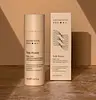
This pore-care serum is formulated around Aminopropyl Ascorbyl Phosphate and Camellia Sinensis Leaf Extract to refine the look of pores and refine skin texture.
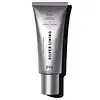
This acne moisturizer is formulated around Zinc PCA and Octadecenedioic Acid to clear breakouts and fade the look of dark spots.


What's inside
What's inside
 Key Ingredients
Benefits
Concerns
No concerns
Ingredients Side-by-side
Water
Skin ConditioningAcetamidoethoxyethanol
Humectant
Propanediol
Solvent
Betaine
Humectant
Glyceryl Glucoside
Humectant
Caprylhydroxamic Acid
Chelating1,2-Hexanediol
Skin Conditioning
Portulaca Oleracea Extract
Skin Conditioning
Lactobacillus Ferment
Skin Conditioning
Hydroxyethylcellulose
Emulsion StabilisingPhloretin
Antioxidant
Silybum Marianum Extract
Skin Conditioning
Glycyrrhetinic Acid
Skin Conditioning
Camellia Sinensis Leaf Extract
Antimicrobial



Tetrahydrodiferuloylmethane
Antioxidant
Panthenol
Skin Conditioning
Aminopropyl Ascorbyl Phosphate
Antioxidant

Tremella Fuciformis Sporocarp Extract
Antioxidant
Acetyl Heptapeptide-4
Humectant

Lactic Acid
Buffering



Caprylyl Glycol
Emollient
Tocopherol
Antioxidant
Tetrasodium Glutamate Diacetate
ChelatingDimethylmethoxy Chromanol
Antioxidant
Water, Acetamidoethoxyethanol, Propanediol, Betaine, Glyceryl Glucoside, Caprylhydroxamic Acid, 1,2-Hexanediol, Portulaca Oleracea Extract, Lactobacillus Ferment, Hydroxyethylcellulose, Phloretin, Silybum Marianum Extract, Glycyrrhetinic Acid, Camellia Sinensis Leaf Extract, Tetrahydrodiferuloylmethane, Panthenol, Aminopropyl Ascorbyl Phosphate, Tremella Fuciformis Sporocarp Extract, Acetyl Heptapeptide-4, Lactic Acid, Caprylyl Glycol, Tocopherol, Tetrasodium Glutamate Diacetate, Dimethylmethoxy Chromanol
Dierucic Acid 4%
Skin ConditioningEpilobium Angustifolium Flower/Leaf/Stem Extract
Skin ConditioningZinc PCA 1%
Humectant

Ascorbic Acid
Antioxidant
Silver
Cosmetic ColorantCalophyllum Inophyllum Seed Oil
Antimicrobial

Lactobacillus Ferment
Skin Conditioning
Water
Skin ConditioningGlycerin
Humectant
Caprylic/Capric Triglyceride
Masking
Squalane
Emollient
Octadecenedioic Acid
Emulsifying
Hydroxypropyl Starch Phosphate
Pentaerythrityl Tetraisostearate
Emollient
Ethyl Macadamiate
Skin Conditioning
Niacinamide
Smoothing
Simmondsia Chinensis Seed Oil
Emollient
Centella Asiatica Leaf Extract
Skin Conditioning
Camellia Sinensis Leaf Extract
Antimicrobial
Glycyrrhiza Glabra Root Extract
Bleaching
Allantoin
Skin Conditioning
Bisabolol
Antioxidant
Sodium PCA
Humectant
Colloidal Silver
AntimicrobialTocopherol
Antioxidant
Malic Acid
Buffering
Dimethyl Isosorbide
SolventCitric Acid
Buffering
Sclerotium Gum
Emulsion StabilisingSodium Gluconate
ChelatingEthylhexylglycerin
Skin ConditioningSodium Metabisulfite
Antioxidant
Sodium Hydroxide
BufferingPotassium Sorbate
Preservative
Phenoxyethanol
Preservative
Dierucic Acid 4%, Epilobium Angustifolium Flower/Leaf/Stem Extract, Zinc PCA 1%, Ascorbic Acid, Silver, Calophyllum Inophyllum Seed Oil, Lactobacillus Ferment, Water, Glycerin, Caprylic/Capric Triglyceride, Squalane, Octadecenedioic Acid, Hydroxypropyl Starch Phosphate, Pentaerythrityl Tetraisostearate, Ethyl Macadamiate, Niacinamide, Simmondsia Chinensis Seed Oil, Centella Asiatica Leaf Extract, Camellia Sinensis Leaf Extract, Glycyrrhiza Glabra Root Extract, Allantoin, Bisabolol, Sodium PCA, Colloidal Silver, Tocopherol, Malic Acid, Dimethyl Isosorbide, Citric Acid, Sclerotium Gum, Sodium Gluconate, Ethylhexylglycerin, Sodium Metabisulfite, Sodium Hydroxide, Potassium Sorbate, Phenoxyethanol
Reviews
Ingredients Explained
These ingredients are found in both products.
Ingredients higher up in an ingredient list are typically present in a larger amount.
Camellia Sinensis Leaf Extract (tea extract) is one of the most well-researched plant extracts in skincare with an impressive resume.
Black tea, green tea, and oolong tea are all harvested from the Camellia Sinensis plant.
Studies show green tea extract and its catechins (like epigallocatechin gallate (EGCG)) help your skin cells product energy more efficiently and reducing the number of free-radicals that can damage your skin from the inside.
In lab-grown skin models, this translated to younger, healthier, and stronger skin.
There's also good sun protection data; researchers saw less DNA damage and redness on human skin when green tea was applied before UVB exposure. And the more they applied, the better the protection.
Needless to say, this ingredient shouldn't replace your sunscreen. But it is a great supportive ingredient that you can already find in many sunscreens and antioxidant serums.
A 2009 study found a 2% green tea lotion was effective for mild-to-moderate acne thanks to its anti-inflammatory and mild antimicrobial activity.
The quality of the extract matters a lot here:
Good extracts contain 50-90% catechins while lower quality ones are mostly there for marketing. We recommend reaching out to the brand if you have questions about the quality or source of their ingredients.
Human Repeated Insult Patch Testing showed no irritation or sensitization at use concentrations (0.86% in leave-on products and up to 30% as leaf water).
Learn more about Camellia Sinensis Leaf ExtractThis ingredient is made when the Lactobacillus bacteria (the same kind that makes yogurt and kimchi) are allowed to ferment a nutrient medium.
As it ferments, it collects lactic acid, peptides, enzymes, and other bioactive metabolites to provide:
A 2023 review noted that probiotic fermentation ingredients like this one can enhance antioxidant capacity, reduce UV-induced oxidative damage, and support barrier function.
One clinical study from the same year showed a Lactobacillus ferment lysate significantly reduced transepidermal water loss and improved skin hydration.
Another review highlighted that topical Lactobacillus-based preparations can improve ceramide levels in the stratum corneum, support barrier integrity, and even help reduce S. aureus colonization in atopic dermatitis.
Why is this so cool?
Basically, your skin's outer layer works as a brick wall; skin cells are bricks and ceramides are the mortar holding it together. Moisture escapes, irritants get in, and your skin gets dry and reactive when ceramide levels drop. On top of that, "bad" skin bacteria S. aureus loves to move in when your barrier is weak to make inflammation and irritation worse.
So Lactobacillus ferment is basically patching the wall and evicting the troublemaker when it boosts ceramide production and help keep S. aureus in check.
On top of all this, it also acts as a mild antimicrobial preservative booster.
Just so you know, most studies focus on specific strains or the lysate form rather than this generic "Lactobacillus Ferment", so results can vary.
Though it's a promising ingredient, it doesn't have decades of robust clinical data behind it just yet.
Lactobacillus Ferment is generally considered safe for fungal-acne prone skin. The key thing to understand is that it comes from bacteria, not yeast or fungus.
Yeast-derived ferments (like galactomyces) have been shown to activate a protein that's linked to Malassezia-related skin issues whereas lactobacillus doesn't have that problem.
Its byproducts also don't contain the types of fatty acids (C11-24 chain lengths) that Malassezia feeds on.
Learn more about Lactobacillus FermentTocopherol is a fat-soluble antioxidant known as Vitamin E.
You'll find this ingredient in the vast majority of skincare (for good reason). It works to neutralize free radicals, or unstable molecules generated by UV exposure, pollution, and other environmental stressors, before they can cause oxidative damage to your skin cells.
Topically applied tocopherol has been shown to protect against UV damage by ramping up the skin's own natural defense enzymes.
It also acts as a skin conditioning agent; some studies show that regular topical use can improve the skin's water-binding capacity over 2-4 weeks.
This ingredient is especially loved for being a team player. When combined with Vitamin C, the photoprotective effect of both ingredients roughly doubles and the combo also helps reduce UV-induced DNA damage.
This ingredient has some brightening potential but it's more of a prevention ingredient than spot-fader. Cell studies show it can slow down melanin production but it's worth noting that it's not the most powerful brightener out there.
In formulations, it also serves as a stabilizer that helps protect other oxidation-prone ingredients from degrading.
Concentrations usually range from 0.1-1% in most leave-on products.
Learn more about TocopherolWater. It's the most common cosmetic ingredient of all. You'll usually see it at the top of ingredient lists, meaning that it makes up the largest part of the product.
So why is it so popular? Water most often acts as a solvent - this means that it helps dissolve other ingredients into the formulation.
You'll also recognize water as that liquid we all need to stay alive. If you see this, drink a glass of water. Remember to stay hydrated!
Learn more about Water

