
What's inside
What's inside
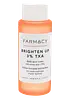 Key Ingredients
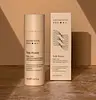
Benefits
Concerns
Ingredients Side-by-side
Water
Skin ConditioningGluconolactone
Skin Conditioning







Pentylene Glycol
Skin Conditioning
Isopentyldiol
Humectant
Tranexamic Acid
Astringent



Betaine
Humectant
Propanediol
Solvent
Azelaic Acid
Buffering
Ascorbic Acid
Antioxidant

Citrus Aurantium Amara Fruit Extract
Skin ConditioningCitrus Aurantium Sinensis Peel Extract
Skin ConditioningCitrus Reticulata Fruit Extract
Skin ProtectingGlycerin
Humectant
Allantoin
Skin Conditioning
Polyglycerin-6
HumectantInulin
Skin Conditioning
Fructose
Humectant
Glucose
Humectant
Xanthan Gum
EmulsifyingCellulose Gum
Emulsion StabilisingLactic Acid
Buffering


Citric Acid
Buffering
Sodium Phytate
Cellulose
Absorbent
Water, Gluconolactone, Pentylene Glycol, Isopentyldiol, Tranexamic Acid, Betaine, Propanediol, Azelaic Acid, Ascorbic Acid, Citrus Aurantium Amara Fruit Extract, Citrus Aurantium Sinensis Peel Extract, Citrus Reticulata Fruit Extract, Glycerin, Allantoin, Polyglycerin-6, Inulin, Fructose, Glucose, Xanthan Gum, Cellulose Gum, Lactic Acid, Citric Acid, Sodium Phytate, Cellulose
Water
Skin ConditioningAcetamidoethoxyethanol
Humectant
Propanediol
Solvent
Betaine
Humectant
Glyceryl Glucoside
Humectant
Caprylhydroxamic Acid
1,2-Hexanediol
Skin Conditioning
Portulaca Oleracea Extract
Skin Conditioning
Lactobacillus Ferment
Skin Conditioning
Hydroxyethylcellulose
Emulsion StabilisingPhloretin
Antioxidant
Silybum Marianum Extract
Skin Conditioning
Glycyrrhetinic Acid
Skin Conditioning
Camellia Sinensis Leaf Extract
Antimicrobial
Tetrahydrodiferuloylmethane
Antioxidant
Panthenol
Skin Conditioning
Aminopropyl Ascorbyl Phosphate
Antioxidant
Tremella Fuciformis Sporocarp Extract
Antioxidant
Acetyl Heptapeptide-4
Humectant
Lactic Acid
Buffering
Caprylyl Glycol
Emollient
Tocopherol
Antioxidant
Tetrasodium Glutamate Diacetate
Dimethylmethoxy Chromanol
Antioxidant
Water, Acetamidoethoxyethanol, Propanediol, Betaine, Glyceryl Glucoside, Caprylhydroxamic Acid, 1,2-Hexanediol, Portulaca Oleracea Extract, Lactobacillus Ferment, Hydroxyethylcellulose, Phloretin, Silybum Marianum Extract, Glycyrrhetinic Acid, Camellia Sinensis Leaf Extract, Tetrahydrodiferuloylmethane, Panthenol, Aminopropyl Ascorbyl Phosphate, Tremella Fuciformis Sporocarp Extract, Acetyl Heptapeptide-4, Lactic Acid, Caprylyl Glycol, Tocopherol, Tetrasodium Glutamate Diacetate, Dimethylmethoxy Chromanol
Reviews
Ingredients Explained
These ingredients are found in both products.
Ingredients higher up in an ingredient list are typically present in a larger amount.
Betaine is a humectant. Like hyaluronic acid, it helps attract and retain moisture in the skin. It’s known for being gentle and for helping the skin maintain balanced hydration.
Betaine is mainly used to improve hydration and support calmer skin. It helps skin cells regulate water balance because it functions as an osmolyte.
Some studies suggest betaine may support making skin tone more even.
Fun fact: Betaine naturally exists in the skin and the body. In cosmetic products, it can be either plant-derived (most commonly from sugar beets) or synthetically produced for consistency and stability.
Betaine is also known as trimethylglycine.
Learn more about BetaineLactic Acid is another well-loved alpha hydroxy acid (AHA). It is gentler than glycolic acid but still highly effective.
Its main role is to exfoliate the surface of the skin by loosening the “glue” that holds dead skin cells together. Shedding those old cells leads to smoother, softer, and more even-toned skin.
Because lactic acid molecules are larger than glycolic acid, they don’t penetrate as deeply. This means they’re less likely to sting or irritate, making it a great choice for beginners or those with sensitive skin.
Like glycolic acid, it can:
Lactic acid also acts as a humectant (like hyaluronic acid). It can draw water into the skin to improve hydration and also plays a role in the skin's natural moisturizing factor (NMF) in the form of sodium lactate.
Studies show it can boost ceramide production to strengthen the skin barrier and even help balance the skin’s microbiome.
To get results, choose products with a pH between 3-4.
Lower strengths (5-12%) focus on surface exfoliation; higher strengths (12% and up) can reach deeper in the dermis (deeper, supportive layer) to improve skin texture and firmness over time.
Though it was originally derived from milk, most modern lactic acid used in skincare is vegan. It is made through non-dairy fermentation to create a bio-identical and stable form suitable for all formulations.
When lactic acid shows up near the end of an ingredient list, it usually means the brand added just a tiny amount to adjust the product’s pH.
Legend has it that Cleopatra used to bathe in sour milk to help reduce wrinkles.
Lactic acid is truly a gentle multitasker: it exfoliates, hydrates, strengthens, and brightens. It's a great ingredient for giving your skin a smooth, glowing, and healthy look without the harshness of stronger acids.
Read more about some other popular AHA's here:
Learn more about Lactic AcidPropanediol is an all-star ingredient. It softens, hydrates, and smooths the skin.
It’s often used to:
Propanediol is not likely to cause sensitivity and considered safe to use. It is derived from corn or petroleum with a clear color and no scent.
Learn more about PropanediolWater. It's the most common cosmetic ingredient of all. You'll usually see it at the top of ingredient lists, meaning that it makes up the largest part of the product.
So why is it so popular? Water most often acts as a solvent - this means that it helps dissolve other ingredients into the formulation.
You'll also recognize water as that liquid we all need to stay alive. If you see this, drink a glass of water. Remember to stay hydrated!
Learn more about Water
