
What's inside
What's inside
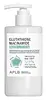 Key Ingredients
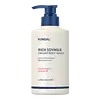
Benefits
Concerns
Ingredients Side-by-side
Water
Skin ConditioningCentella Asiatica Extract 12.3%
Cleansing





Glycerin
Humectant
Cetyl Ethylhexanoate
EmollientCetearyl Alcohol
Emollient






Glyceryl Stearate
Emollient
Glutathione


Niacinamide
Smoothing



Madecassic Acid
Skin Conditioning
Asiaticoside
Antioxidant
Asiatic Acid
Skin Conditioning
Solanum Melongena Fruit Extract
Skin ConditioningMelaleuca Alternifolia Leaf Extract
Perfuming
Hydrolyzed Collagen
Emollient
Beta-Glucan
Skin Conditioning
Hippophae Rhamnoides Fruit Extract
Skin Conditioning
Nelumbo Nucifera Extract
Skin ConditioningArtemisia Annua Extract
Masking
Oryza Sativa Extract
Absorbent
Saccharomyces Ferment
Skin Conditioning
Squalane
Emollient
Sodium Hyaluronate
Humectant
Dipropylene Glycol
HumectantButylene Glycol
Humectant
Hydrogenated Lecithin
Emulsifying
Cholesterol
Emollient
Xanthan Gum
EmulsifyingPotassium Hydroxide
BufferingDisodium EDTA
Caprylic/Capric Triglyceride
Masking
Cyclopentasiloxane
Emollient
Cyclohexasiloxane
Emollient
Saccharide Hydrolysate
HumectantSorbitan Stearate
Emulsifying
Dimethicone
Emollient
PEG-100 Stearate
Surfactant
Stearic Acid
Cleansing
1,2-Hexanediol
Skin Conditioning
Chlorphenesin
Antimicrobial
Carbomer
Emulsion StabilisingCaprylyl Glycol
Emollient
Water, Centella Asiatica Extract 12.3%, Glycerin, Cetyl Ethylhexanoate, Cetearyl Alcohol, Glyceryl Stearate, Glutathione, Niacinamide, Madecassic Acid, Asiaticoside, Asiatic Acid, Solanum Melongena Fruit Extract, Melaleuca Alternifolia Leaf Extract, Hydrolyzed Collagen, Beta-Glucan, Hippophae Rhamnoides Fruit Extract, Nelumbo Nucifera Extract, Artemisia Annua Extract, Oryza Sativa Extract, Saccharomyces Ferment, Squalane, Sodium Hyaluronate, Dipropylene Glycol, Butylene Glycol, Hydrogenated Lecithin, Cholesterol, Xanthan Gum, Potassium Hydroxide, Disodium EDTA, Caprylic/Capric Triglyceride, Cyclopentasiloxane, Cyclohexasiloxane, Saccharide Hydrolysate, Sorbitan Stearate, Dimethicone, PEG-100 Stearate, Stearic Acid, 1,2-Hexanediol, Chlorphenesin, Carbomer, Caprylyl Glycol
Water
Skin ConditioningDisodium Laureth Sulfosuccinate
CleansingLauryl Glucoside
CleansingLauryl Hydroxysultaine
CleansingGlycerin
Humectant
Cocamide Mipa
Emulsifying
Propylene Glycol Laurate
Skin ConditioningSodium Chloride
MaskingHydroxyacetophenone
Antioxidant
Citric Acid
Buffering
Butylene Glycol
Humectant
Cetyl Alcohol
Emollient
Polyquaternium-10
Styrene/Acrylates Copolymer
Trihydroxystearin
Skin Conditioning
Ethylhexylglycerin
Skin ConditioningDisodium EDTA
Myristyl Alcohol
Emollient
Stearyl Alcohol
Emollient
Silk Extract
Skin ConditioningTromethamine
BufferingPotassium Cocoyl Glycinate
Surfactant
Helianthus Annuus Seed Oil
Emollient
Simmondsia Chinensis Seed Oil
Emollient
1,2-Hexanediol
Skin Conditioning
Hydrogenated Lecithin
Emulsifying
Tasmannia Lanceolata Leaf Extract
Skin ConditioningCeramide NP
Skin Conditioning
Lactobacillus Ferment Lysate
Skin Conditioning
Xanthan Gum
EmulsifyingParfum
Masking

Water, Disodium Laureth Sulfosuccinate, Lauryl Glucoside, Lauryl Hydroxysultaine, Glycerin, Cocamide Mipa, Propylene Glycol Laurate, Sodium Chloride, Hydroxyacetophenone, Citric Acid, Butylene Glycol, Cetyl Alcohol, Polyquaternium-10, Styrene/Acrylates Copolymer, Trihydroxystearin, Ethylhexylglycerin, Disodium EDTA, Myristyl Alcohol, Stearyl Alcohol, Silk Extract, Tromethamine, Potassium Cocoyl Glycinate, Helianthus Annuus Seed Oil, Simmondsia Chinensis Seed Oil, 1,2-Hexanediol, Hydrogenated Lecithin, Tasmannia Lanceolata Leaf Extract, Ceramide NP, Lactobacillus Ferment Lysate, Xanthan Gum, Parfum
Reviews
Ingredients Explained
These ingredients are found in both products.
Ingredients higher up in an ingredient list are typically present in a larger amount.
1,2-Hexanediol is a synthetic liquid and another multi-functional powerhouse.
It is a:
- Humectant, drawing moisture into the skin
- Emollient, helping to soften skin
- Solvent, dispersing and stabilizing formulas
- Preservative booster, enhancing the antimicrobial activity of other preservatives
Butylene Glycol (or BG) is used within cosmetic products for a few different reasons:
Overall, Butylene Glycol is a safe and well-rounded ingredient that works well with other ingredients.
Though this ingredient works well with most skin types, some people with sensitive skin may experience a reaction such as allergic rashes, closed comedones, or itchiness.
Learn more about Butylene GlycolDisodium EDTA is a chelating agent. It grabs onto and deactivates metal ions that sneak into your products from water, packaging, or air.
This ingredient mainly works behind the scenes and helps with:
On top of that, this ingredient can counteract the effects of hard water by binding to the minerals in it.
One thing worth knowing is that Disodium EDTA has been shown to be a mild penetration enhancer. It can help other ingredients absorb into skin more effectively which can be a double-edged sword (great for actives, but can also make the active too strong if you have sensitive skin).
Clinical patch testing showed no significant skin irritation at typical use concentrations and minimal dermal absorption.
You'll most likely see this ingredient near the end of an ingredient list. It's typically found in concentrations less than 1%.
Learn more about Disodium EDTAGlycerin (or glycerol) is a compound naturally found in your skin. It's a powerhouse humectant that pulls water into the stratum corneum.
Topically, glycerin does several things at once:
Your skin makes glycerin on its own (mostly from sebaceous oil breakdown) and shuttles it to your outermost layer of skin, or your epidermis, via aquaporin-3.
Aquaporin-3 is a transporter that is essential for normal skin hydration, elasticity, and repair. Interestingly, mice lacking in AQP3 have dry and less elastic skin that can be fully corrected with glycerin.
This ingredient is non-irritating, plays well with almost every ingredient, and works across all skin types. Typical use is anywhere between 3-10% but can go up to 79% in some leave-on products.
Just know very high concentrations (>40%) can feel tacky in low humidity.
Glycerin is the name for this ingredient in American English. British English uses Glycerol/Glycerine.
Learn more about GlycerinHydrogenated Lecithin is a more stable version of lecithin.
It's made by taking lecithin (a phospholipid commonly found in soybeans and egg yolks) and hydrogenating it. This just means the unsaturated fatty acids are turned into saturated ones so they don't go bad as easily.
This ingredient is an emollient, emulsifier, and penetration enhancer. As an emollient, it helps soften and hydrate skin by trapping moisture within. As an emulsifier, it prevents oil and water ingredients from separating.
Hydrogenated Lecithin can form tiny spherical structures made of phospholipid bilayers called liposomes. These liposomes are able to capture compounds inside their structure and deliver them through the skin barrier.
Because phospholipids are a natural component of our cell membranes, this ingredient is inherently compatible with skin.
A 2021 study found lecithin-based surfactants were less harsh and more tolerable comared to Sodium Lauryl Sulfate (SLS).
Learn more about Hydrogenated LecithinWater. It's the most common cosmetic ingredient of all. You'll usually see it at the top of ingredient lists, meaning that it makes up the largest part of the product.
So why is it so popular? Water most often acts as a solvent - this means that it helps dissolve other ingredients into the formulation.
You'll also recognize water as that liquid we all need to stay alive. If you see this, drink a glass of water. Remember to stay hydrated!
Learn more about WaterXanthan gum is used as a stabilizer and thickener within cosmetic products. It helps give products a sticky, thick feeling - preventing them from being too runny.
On the technical side of things, xanthan gum is a polysaccharide - a combination consisting of multiple sugar molecules bonded together.
Xanthan gum is a pretty common and great ingredient. It is a natural, non-toxic, non-irritating ingredient that is also commonly used in food products.
Learn more about Xanthan Gum

