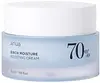
This barrier-repair moisturizer is formulated around Betula Platyphylla Japonica Juice and Squalane to strengthen the skin barrier and hydrate skin.
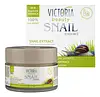
This barrier-repair moisturizer is formulated around Snail Secretion Filtrate and Urea to strengthen the skin barrier and hydrate skin.


What's inside
What's inside
 Key Ingredients
Benefits
Concerns
Ingredients Side-by-side
Betula Platyphylla Japonica Juice 70%
Skin Conditioning
Dipropylene Glycol
HumectantButylene Glycol
Humectant
Water
Skin ConditioningSqualane
Emollient
Caprylic/Capric Triglyceride
Masking
1,2-Hexanediol
Skin Conditioning
C12-16 Alcohols
EmollientHydroxyethyl Acrylate/Sodium Acryloyldimethyl Taurate Copolymer
Emulsion StabilisingAmmonium Acryloyldimethyltaurate/Vp Copolymer
Polyglyceryl-2 Stearate
Emulsifying

Glyceryl Stearate
Emollient
Palmitic Acid
Emollient


Hydrogenated Lecithin
Emulsifying
Stearyl Alcohol
Emollient
Caprylyl Glycol
Emollient
Sorbitan Isostearate
Emulsifying
Dextrin
AbsorbentAllantoin
Skin Conditioning


Betaine
Humectant
Cucumis Sativus Fruit Extract
Emollient
Gluconolactone
Chelating





Panthenol
Skin Conditioning
Gardenia Florida Fruit Extract
Skin ConditioningUlmus Davidiana Root Extract
Skin Conditioning
Pinus Palustris Leaf Extract
TonicPueraria Lobata Root Extract
HumectantOenothera Biennis Flower Extract
AstringentDipotassium Glycyrrhizate
Humectant
Tocopherol
Antioxidant


Malachite Extract
Antioxidant
Sodium Hyaluronate
Humectant
Hydroxypropyltrimonium Hyaluronate
Hydrolyzed Hyaluronic Acid
Humectant
Sodium Acetylated Hyaluronate
Humectant
Hyaluronic Acid
Humectant
Hydrolyzed Sodium Hyaluronate
Skin Conditioning
Sodium Hyaluronate Crosspolymer
Humectant
Potassium Hyaluronate
Skin ConditioningEthylhexylglycerin
Skin ConditioningHydroxyacetophenone
Antioxidant
Disodium EDTA
ChelatingBetula Platyphylla Japonica Juice 70%, Dipropylene Glycol, Butylene Glycol, Water, Squalane, Caprylic/Capric Triglyceride, 1,2-Hexanediol, C12-16 Alcohols, Hydroxyethyl Acrylate/Sodium Acryloyldimethyl Taurate Copolymer, Ammonium Acryloyldimethyltaurate/Vp Copolymer, Polyglyceryl-2 Stearate, Glyceryl Stearate, Palmitic Acid, Hydrogenated Lecithin, Stearyl Alcohol, Caprylyl Glycol, Sorbitan Isostearate, Dextrin, Allantoin, Betaine, Cucumis Sativus Fruit Extract, Gluconolactone, Panthenol, Gardenia Florida Fruit Extract, Ulmus Davidiana Root Extract, Pinus Palustris Leaf Extract, Pueraria Lobata Root Extract, Oenothera Biennis Flower Extract, Dipotassium Glycyrrhizate, Tocopherol, Malachite Extract, Sodium Hyaluronate, Hydroxypropyltrimonium Hyaluronate, Hydrolyzed Hyaluronic Acid, Sodium Acetylated Hyaluronate, Hyaluronic Acid, Hydrolyzed Sodium Hyaluronate, Sodium Hyaluronate Crosspolymer, Potassium Hyaluronate, Ethylhexylglycerin, Hydroxyacetophenone, Disodium EDTA
Water
Skin ConditioningSnail Secretion Filtrate
Skin Conditioning
Glycerin
Humectant
Cetearyl Alcohol
Emollient
Paraffinum Liquidum
Emollient

Caprylic/Capric Triglyceride
Masking
PEG-100 Stearate
Surfactant
Glyceryl Stearate
Emollient
Chamomilla Recutita Flower Extract
Masking
Helianthus Annuus Seed Oil
Emollient
Urea
Buffering
Dimethicone
Emollient
Panthenol
Skin Conditioning
Lanolin
Emollient
Petrolatum
Emollient
Ceteareth-20
Cleansing
Parfum
Masking

Allantoin
Skin Conditioning
Phenoxyethanol
Preservative
Ethylhexylglycerin
Skin ConditioningBHT
Antioxidant
EDTA
ChelatingWater, Snail Secretion Filtrate, Glycerin, Cetearyl Alcohol, Paraffinum Liquidum, Caprylic/Capric Triglyceride, PEG-100 Stearate, Glyceryl Stearate, Chamomilla Recutita Flower Extract, Helianthus Annuus Seed Oil, Urea, Dimethicone, Panthenol, Lanolin, Petrolatum, Ceteareth-20, Parfum, Allantoin, Phenoxyethanol, Ethylhexylglycerin, BHT, EDTA
Reviews
Ingredients Explained
These ingredients are found in both products.
Ingredients higher up in an ingredient list are typically present in a larger amount.
Allantoin is a soothing ingredient known for its protective and moisturizing properties; it's basically a quiet workhorse ingredient you can find in a huge range of cosmetics.
Though it can be derived from the comfrey plant, allantoin is produced synthetically for cosmetic products to ensure purity.
Research shows it can encourage your skin cells to turn over and renew by stimulating keratinocyte and fibroblast proliferation.
It also has mild keratolytic properties to help loosen and shed dead skin cells without being harsh.
Studies also suggest allantoin can help calm inflammation by dialing down some of the chemical signals your skin sends out when it is irritated.
This ingredient is typically used in the 0.1-0.5% range, and the FDA recognizes it as a skin protectant in OTC products up to 2%.
Overall, allantoin is a wonderful addition to most routines; it is stable across a wide pH range (~4-8), works well with other ingredients, and is considered non-sensitizing/non-irritating.
Fun fact: Allantoin is naturally occurring in comfrey root, beets, chamomile, and wheat sprouts. Our bodies even produce it as a byproduct of uric acid metabolism.
Learn more about AllantoinCaprylic/Capric Triglyceride (aka MCT Oil) is a lightweight emollient, solvent, and texture enhancer. It is considered a skin-softener by helping to prevent moisture loss.
Though it behaves like an oil, it is not technically one due to its chemical composition. One perk of this ingredient is that it is very stable, resistant to oxidation, and unlikely to go rancid.
In practice, that translates to a long shelf life and a consistently elegant skin feel.
While there is an assumption Caprylic Triglyceride can clog pores due to it being derived from coconut oil, there is no research supporting this. Just patch test if you have concerns.
Fractionated coconut oil and MCT Oil are both listed as Caprylic/Capric Triglyceride according to INCI. This is because INCI names are based on the ingredient’s final chemical composition and not its marketing name or source.
This ingredient is treated as the gold standard fungal acne safe oil. Even though it is coconut derived, the problematic lauric acid is stripped out.
This leaves just caprylic (C8) and capric (C10) acid. These chain lengths actually trend antifungal; a 2020 study found caprylic acid was enough to disrupt Malassezia furfur cell membrane, with a caprylic acid derivative damaging membrane structures at concentrations as low as 0.2%.
Learn more about Caprylic/Capric TriglycerideEthylhexylglycerin is created from glycerin. It is a multitasker ingredient that:
The CIR Expert Panel found minimal skin absorption or sensitization of any kind in a safety assessment. Though this ingredient is considered well-tolerated, a small number of cases of allergic dermatitis have been published since 2002. Just be sure to patch test if you are unsure.
Industry-reported use ranges from 8% in rinse-off products and 2% in leave-on formulations.
Learn more about EthylhexylglycerinGlyceryl Stearate is made by reacting glycerin with stearic acid (typically sourced from plant oils like palm or coconut). It's an emulsifier, emollient, and mild occlusive.
Emulsifiers help ingredients like oil and water stay mixed so your formula stays nicely blended and uniform in texture.
This ingredient is typically used in concentrations between 1-10%. Studies have found it to be non-sensitizing, non-phototoxic, and non-photoallergenic.
A close cousin of this ingredient is Glyceryl Stearate SE ("self-emulsifying"). This just has a small amount of sodium or potassium stearate added so it can emulsify without a co-emulsifier.
Since this ingredient is an ester of a C18 fatty acid, it may not be fungal acne safe. The Malassezia yeast can potentially metabolize within the C11-C24 range.
Fun fact: The human body also creates Glyceryl Stearate naturally.
Learn more about Glyceryl StearatePanthenol is a common ingredient that helps hydrate and soothe the skin. It is found naturally in our skin and hair.
There are two forms of panthenol: D and L.
D-panthenol is also known as dexpanthenol. Most cosmetics use dexpanthenol or a mixture of D and L-panthenol.
Panthenol is famous due to its ability to go deeper into the skin's layers. Using this ingredient has numerous pros (and no cons):
Like hyaluronic acid, panthenol is a humectant. Humectants are able to bind and hold large amounts of water to keep skin hydrated.
This ingredient works well for wound healing. It works by increasing tissue in the wound and helps close open wounds.
Once oxidized, panthenol converts to pantothenic acid. Panthothenic acid is found in all living cells.
This ingredient is also referred to as pro-vitamin B5.
Learn more about PanthenolWater. It's the most common cosmetic ingredient of all. You'll usually see it at the top of ingredient lists, meaning that it makes up the largest part of the product.
So why is it so popular? Water most often acts as a solvent - this means that it helps dissolve other ingredients into the formulation.
You'll also recognize water as that liquid we all need to stay alive. If you see this, drink a glass of water. Remember to stay hydrated!
Learn more about Water

