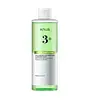
This acne toner is formulated around Azelaic Acid and Salicylic Acid to clear breakouts and calm redness.
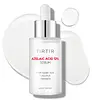
This calming serum is formulated around Azelaic Acid and Panthenol to calm redness and clear breakouts.

What's inside
What's inside
 Key Ingredients
Benefits
Concerns
Ingredients Side-by-side
Water
Skin ConditioningAzelaic Acid
Buffering









1,2-Hexanediol
Skin Conditioning
Sodium Hydroxide
BufferingPropylene Glycol
Humectant

Salicylic Acid
Masking



Dipotassium Glycyrrhizate
Humectant
Propanediol
Solvent
PPG-13-Decyltetradeceth-24
EmulsifyingButylene Glycol
Humectant
Disodium EDTA
Melia Azadirachta Leaf Extract
Skin ConditioningGlycerin
Humectant
Rosmarinus Officinalis Leaf Oil
Masking
Melia Azadirachta Flower Extract
Skin ConditioningCynanchum Atratum Extract
Skin ConditioningMelaleuca Alternifolia Leaf Oil
Antioxidant


Epilobium Angustifolium Flower/Leaf/Stem Extract
Skin ConditioningEthylhexylglycerin
Skin ConditioningAlthaea Rosea Flower Extract
Skin ConditioningDocosahexaenoic Acid
Skin Conditioning
Citric Acid
Buffering
Tocopherol
Antioxidant

Madecassoside
Antioxidant
Centella Asiatica Extract
Cleansing
Panthenol
Skin Conditioning
Glycine Soja Protein
EmulsifyingCentella Asiatica Leaf Extract
Skin Conditioning
Asiaticoside
Antioxidant
Allantoin
Skin Conditioning
Ectoin
Skin Conditioning
Glycyrrhizic Acid
HumectantHydroxyethylcellulose
Emulsion StabilisingSuccinic Acid
BufferingZinc PCA
Humectant
O-Cymen-5-Ol
Antimicrobial
Sodium Hyaluronate
Humectant
Glycolic Acid
Buffering
Potassium Azeloyl Diglycinate
Skin Conditioning
Coco-Caprylate/Caprate
Emollient
Sodium Hyaluronate Crosspolymer
Humectant
Centella Asiatica Root Extract
Skin Conditioning
Hydrogenated Lecithin
Emulsifying
Polyglutamic Acid
Skin Conditioning
Xylose
HumectantAsiatic Acid
Skin Conditioning
Madecassic Acid
Skin Conditioning
Totarol
Antioxidant
Squalane
Emollient
Chlorella Vulgaris Extract
Skin ConditioningCeramide NP
Skin Conditioning
Water, Azelaic Acid, 1,2-Hexanediol, Sodium Hydroxide, Propylene Glycol, Salicylic Acid, Dipotassium Glycyrrhizate, Propanediol, PPG-13-Decyltetradeceth-24, Butylene Glycol, Disodium EDTA, Melia Azadirachta Leaf Extract, Glycerin, Rosmarinus Officinalis Leaf Oil, Melia Azadirachta Flower Extract, Cynanchum Atratum Extract, Melaleuca Alternifolia Leaf Oil, Epilobium Angustifolium Flower/Leaf/Stem Extract, Ethylhexylglycerin, Althaea Rosea Flower Extract, Docosahexaenoic Acid, Citric Acid, Tocopherol, Madecassoside, Centella Asiatica Extract, Panthenol, Glycine Soja Protein, Centella Asiatica Leaf Extract, Asiaticoside, Allantoin, Ectoin, Glycyrrhizic Acid, Hydroxyethylcellulose, Succinic Acid, Zinc PCA, O-Cymen-5-Ol, Sodium Hyaluronate, Glycolic Acid, Potassium Azeloyl Diglycinate, Coco-Caprylate/Caprate, Sodium Hyaluronate Crosspolymer, Centella Asiatica Root Extract, Hydrogenated Lecithin, Polyglutamic Acid, Xylose, Asiatic Acid, Madecassic Acid, Totarol, Squalane, Chlorella Vulgaris Extract, Ceramide NP
Water
Skin ConditioningAzelaic Acid
Buffering
Propylene Glycol
Humectant
Sodium Hydroxide
BufferingPentylene Glycol
Skin Conditioning
Panthenol
Skin Conditioning
Sorbitol
Humectant
Chondrus Crispus Extract
Skin Conditioning
Hydroxyethylcellulose
Emulsion StabilisingChlorella Vulgaris Extract
Skin ConditioningGlucose
Humectant
Saccharum Officinarum Extract
Moisturising1,2-Hexanediol
Skin Conditioning
Butylene Glycol
Humectant
Fructooligosaccharides
Humectant
Fructose
Humectant
Ethylhexylglycerin
Skin ConditioningBiosaccharide Gum-1
Humectant
Tromethamine
BufferingXanthan Gum
EmulsifyingTocopherol
Antioxidant
Betaine
Humectant
Zinc PCA
Humectant
Dipropylene Glycol
HumectantHyaluronic Acid/Polyisopropylacrylamide Copolymer
Humectant
Caprylyl/Capryl Glucoside
CleansingHydrogenated Lecithin
Emulsifying
Ceramide NP
Skin Conditioning
Water, Azelaic Acid, Propylene Glycol, Sodium Hydroxide, Pentylene Glycol, Panthenol, Sorbitol, Chondrus Crispus Extract, Hydroxyethylcellulose, Chlorella Vulgaris Extract, Glucose, Saccharum Officinarum Extract, 1,2-Hexanediol, Butylene Glycol, Fructooligosaccharides, Fructose, Ethylhexylglycerin, Biosaccharide Gum-1, Tromethamine, Xanthan Gum, Tocopherol, Betaine, Zinc PCA, Dipropylene Glycol, Hyaluronic Acid/Polyisopropylacrylamide Copolymer, Caprylyl/Capryl Glucoside, Hydrogenated Lecithin, Ceramide NP
Reviews
Ingredients Explained
These ingredients are found in both products.
Ingredients higher up in an ingredient list are typically present in a larger amount.
1,2-Hexanediol is a synthetic liquid and another multi-functional powerhouse.
It is a:
- Humectant, drawing moisture into the skin
- Emollient, helping to soften skin
- Solvent, dispersing and stabilizing formulas
- Preservative booster, enhancing the antimicrobial activity of other preservatives
Azelaic acid is a multitasker ingredient that helps treat acne, pigmentation, and irritation. It is a great option for sensitive skin.
What makes it special?
OTC Azelaic acid is usually available in concentrations from 10-15% and anything over requires a prescription.
Here's what each tier does best:
Unlike other acids, azelaic acid will not make your skin more photosensitive/sun sensitive.
Though this ingredient is naturally occurring in grains like wheat, rye, and barley, it is usually synthetically created for cosmetics to ensure stability and effectiveness.
Learn more about Azelaic AcidButylene Glycol (or BG) is used within cosmetic products for a few different reasons:
Overall, Butylene Glycol is a safe and well-rounded ingredient that works well with other ingredients.
Though this ingredient works well with most skin types, some people with sensitive skin may experience a reaction such as allergic rashes, closed comedones, or itchiness.
Learn more about Butylene GlycolCeramide NP (formerly known as Ceramide 3) is one of the skin's naturally occurring lipids.
Since ceramides are the major lipid components of the skin, they are crucial for maintaining skin barrier and hydration. Ceramide NP most closely mirrors the dominant kind in human skin amongst ceramide subtypes.
This ceramide works by slotting into gaps within the stratum corneum's lipid matrix to limit trans-epidermal water loss (TEWL) and shield the skin against external irritants.
A study with 312 patients found that using a ceramide-containing routine for 4 weeks reduced the severity of atopic dermatitis by over 61%.
Another clinical study in subjects aged 60 and older found that a ceramide body wash and moisturizer improved skin dryness and itchy skin in 15 days.
Overall, ceramides are considered non-irritating and safety tests have found little to no observable adverse effects from using this ingredient.
Ceramide NP is usually sourced from plants (like soybean or rice bran), or produced synthetically.
Learn more about Ceramide NPChlorella Vulgaris Extract comes from a green microalga. It is hydrating and contains antioxidants.
Studies also show Chlorella Vulgaris may help in rebuilding collagen and elastin. This ingredient is made up of lipids, carbohydrates, and chlorophyll.
Fun fact: This ingredient is commonly used as food additive in Japan.
Learn more about Chlorella Vulgaris ExtractEthylhexylglycerin is created from glycerin. It is a multitasker ingredient that:
The CIR Expert Panel found minimal skin absorption or sensitization of any kind in a safety assessment. Though this ingredient is considered well-tolerated, a small number of cases of allergic dermatitis have been published since 2002. Just be sure to patch test if you are unsure.
Industry-reported use ranges from 8% in rinse-off products and 2% in leave-on formulations.
Learn more about EthylhexylglycerinHydrogenated Lecithin is a more stable version of lecithin.
It's made by taking lecithin (a phospholipid commonly found in soybeans and egg yolks) and hydrogenating it. This just means the unsaturated fatty acids are turned into saturated ones so they don't go bad as easily.
This ingredient is an emollient, emulsifier, and penetration enhancer. As an emollient, it helps soften and hydrate skin by trapping moisture within. As an emulsifier, it prevents oil and water ingredients from separating.
Hydrogenated Lecithin can form tiny spherical structures made of phospholipid bilayers called liposomes. These liposomes are able to capture compounds inside their structure and deliver them through the skin barrier.
Because phospholipids are a natural component of our cell membranes, this ingredient is inherently compatible with skin.
A 2021 study found lecithin-based surfactants were less harsh and more tolerable comared to Sodium Lauryl Sulfate (SLS).
Learn more about Hydrogenated LecithinHydroxyethylcellulose is used to improve the texture of products. It is created from a chemical reaction involving ethylene oxide and alkali-cellulose. Cellulose is a sugar found in plant cell walls and help give plants structure.
This ingredient helps stabilize products by preventing ingredients from separating. It can also help thicken the texture of a product.
This ingredient can also be found in pill medicines to help our bodies digest other ingredients.
Learn more about HydroxyethylcellulosePanthenol is a common ingredient that helps hydrate and soothe the skin. It is found naturally in our skin and hair.
There are two forms of panthenol: D and L.
D-panthenol is also known as dexpanthenol. Most cosmetics use dexpanthenol or a mixture of D and L-panthenol.
Panthenol is famous due to its ability to go deeper into the skin's layers. Using this ingredient has numerous pros (and no cons):
Like hyaluronic acid, panthenol is a humectant. Humectants are able to bind and hold large amounts of water to keep skin hydrated.
This ingredient works well for wound healing. It works by increasing tissue in the wound and helps close open wounds.
Once oxidized, panthenol converts to pantothenic acid. Panthothenic acid is found in all living cells.
This ingredient is also referred to as pro-vitamin B5.
Learn more about PanthenolPropylene Glycol is a synthetic, colorless, odorless liquid that has been a staple in cosmetics for decades. It is a skin conditioning agent, humectant, and solvent.
As a humectant, it draw water to the skin to reduce flaking and restore suppleness. It's also a solvent that helps dissolve other actives and keeps formulas stable across temperature changes.
The CIR Expert Panel has confirmed this ingredient to be nontoxic and clinical studies show no sensitization at cosmetic use concentrations.
True allergic reactions are quite rare: a 15-year retrospective study of 6,751 patients found only 0.31% had a positive reaction (and less than half were considered clinically relevant).
It seemed that when sensitization does occur, it's most commonly linked to topical medication (like corticosteroids) and not cosmetics. Allergic contact dermatitis also appears largely limited to individuals with underlying skin conditions.
Overall, propylene glycol is a well-studied ingredient that most people can tolerate without issue.
Learn more about Propylene GlycolSodium Hydroxide is also known as lye or caustic soda. It is used to adjust the pH of products; many ingredients require a specific pH to be effective.
In small amounts, sodium hydroxide is considered safe to use. However, large amounts may cause chemical burns due to its high alkaline.
Your skin has a natural pH and acid mantle. This acid mantle helps prevent harmful bacteria from breaking through. The acid mantle also helps keep your skin hydrated.
"Alkaline" refers to a high pH level. A low pH level would be considered acidic.
Learn more about Sodium HydroxideTocopherol is a fat-soluble antioxidant known as Vitamin E.
You'll find this ingredient in the vast majority of skincare (for good reason). It works to neutralize free radicals, or unstable molecules generated by UV exposure, pollution, and other environmental stressors, before they can cause oxidative damage to your skin cells.
Topically applied tocopherol has been shown to protect against UV damage by ramping up the skin's own natural defense enzymes.
It also acts as a skin conditioning agent; some studies show that regular topical use can improve the skin's water-binding capacity over 2-4 weeks.
This ingredient is especially loved for being a team player. When combined with Vitamin C, the photoprotective effect of both ingredients roughly doubles and the combo also helps reduce UV-induced DNA damage.
This ingredient has some brightening potential but it's more of a prevention ingredient than spot-fader. Cell studies show it can slow down melanin production but it's worth noting that it's not the most powerful brightener out there.
In formulations, it also serves as a stabilizer that helps protect other oxidation-prone ingredients from degrading.
Concentrations usually range from 0.1-1% in most leave-on products.
Learn more about TocopherolWater. It's the most common cosmetic ingredient of all. You'll usually see it at the top of ingredient lists, meaning that it makes up the largest part of the product.
So why is it so popular? Water most often acts as a solvent - this means that it helps dissolve other ingredients into the formulation.
You'll also recognize water as that liquid we all need to stay alive. If you see this, drink a glass of water. Remember to stay hydrated!
Learn more about WaterZinc PCA is a clever two-in-one molecule: the zinc salt of pyrrolidone carboxylic acid (PCA).
Think of it as two useful things bonded together; the PCA half is one of your skin's own natural moisturizing factors (NMF) so it helps hold water in the upper layers. On the other hand, the zinc half does the heavy lifting on oil and bacteria.
The zinc part slows down an enzyme that turns testosterone into DHT, the hormone that tells your oil glands to pump out more sebum. Less of that signal means less oil. It also gently fights acne-causing bacteria and soothes redness/irritation.
This is why Zinc PCA often shows up in products for oily, breakout-prone skin and greasy scalps.
One lab study also hinted it might have a small anti-aging perk because it seemed to protect collagen from UVA damage and even helped the skin make a bit more of it. That last bit is still early research done in a dish and not real skin, so take it as a nice bonus rather than a promise for now.
As for scar healing, the picture is more "maybe" than a firm yes. Zinc itself plays a real role in wound repair because it is a cofactor for the enzymes involved in collagen building, calming inflammation, and helping new skin cells cover a wound. Lower zinc levels are also linked to slower healing.
Most of the scar healing research is on zinc oxide or oral zinc rather than zinc PCA specifically, with a focus on healing fresh wounds instead of scars that are already there.
Direct evidence that zinc PCA improves the look of established scars is still limited at this time. Though it would be fair to say zinc PCA supports the general skin-repair environment thanks to its zinc content .
This ingredient is water-soluble and plays nicely with other actives like niacinamide and salicylic acid. It works best at mildly acidic formulas (~4-6 pH) and is effective at low levels. Around 0.1% is enough to be active and finished products commonly use it anywhere up to 4%.
Overall, this is a well-tolerated, low-drama multitasker that suits oily and acne-prone skin.
Learn more about Zinc PCA

