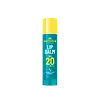
This barrier-repair lip moisturizer is formulated around Butyrospermum Parkii Butter and Sodium Hyaluronate to strengthen the lip barrier and hydrate lips.
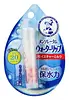
This barrier-repair lip moisturizer is formulated around Petrolatum and Squalane to strengthen the lip barrier and hydrate lips.


What's inside
What's inside
 Key Ingredients
Benefits
Concerns
Ingredients Side-by-side
Polyisobutene
Beeswax
Emulsion Stabilising




Hydrogenated Microcrystalline Wax
Emulsion StabilisingIsopropyl Myristate
Emollient
Caprylic/Capric Triglyceride
Masking


Stearyl Dimethicone
Emollient
Polyethylene
Abrasive
Octyldodecanol
Emollient
Homosalate
Skin Conditioning

Ethylhexyl Methoxycinnamate
UV Absorber
C26-28 Alkyl Dimethicone
Skin Conditioning
Ethylhexyl Salicylate
UV Absorber
Butyl Methoxydibenzoylmethane
UV Absorber
Parfum
Masking

Polyester-7
Skin ConditioningButyrospermum Parkii Butter
Skin Conditioning
Helianthus Annuus Seed Oil
Emollient
Neopentyl Glycol Diheptanoate
EmollientPhenoxyethanol
Preservative
Petrolatum
Emollient
BHT
Antioxidant
Tocopheryl Acetate
Antioxidant

Ethyl Ferulate
Antioxidant
Bisabolol
Antioxidant


Ascorbyl Tetraisopalmitate
Antioxidant

Isohexadecane
EmollientTocopherol
Antioxidant
Rosmarinus Officinalis Leaf Extract
AntimicrobialEthylene/Propylene/Styrene Copolymer
Butylene/Ethylene/Styrene Copolymer
Xanthan Gum
EmulsifyingSodium Hyaluronate
Humectant
Tripeptide-1
Skin Conditioning
Polyisobutene, Beeswax, Hydrogenated Microcrystalline Wax, Isopropyl Myristate, Caprylic/Capric Triglyceride, Stearyl Dimethicone, Polyethylene, Octyldodecanol, Homosalate, Ethylhexyl Methoxycinnamate, C26-28 Alkyl Dimethicone, Ethylhexyl Salicylate, Butyl Methoxydibenzoylmethane, Parfum, Polyester-7, Butyrospermum Parkii Butter, Helianthus Annuus Seed Oil, Neopentyl Glycol Diheptanoate, Phenoxyethanol, Petrolatum, BHT, Tocopheryl Acetate, Ethyl Ferulate, Bisabolol, Ascorbyl Tetraisopalmitate, Isohexadecane, Tocopherol, Rosmarinus Officinalis Leaf Extract, Ethylene/Propylene/Styrene Copolymer, Butylene/Ethylene/Styrene Copolymer, Xanthan Gum, Sodium Hyaluronate, Tripeptide-1
Hydrogenated Polyisobutene
EmollientDiphenylsiloxy Phenyl Trimethicone
Skin Conditioning
Petrolatum
Emollient
Lanolin
Emollient
Polyethylene
Abrasive
Isotridecyl Isononanoate
EmollientEthylhexyl Methoxycinnamate
UV Absorber
Paraffinum Liquidum
Emollient
Microcrystalline Wax
Emulsion StabilisingSodium Acetylated Hyaluronate
Humectant
Soluble Collagen
Humectant
Aloe Barbadensis Leaf Extract
Emollient
Squalane
Emollient
Honey
Humectant
Sodium Hyaluronate
Humectant
Whey
Skin ConditioningElaeis Guineensis Kernel Oil
Emollient
Tocopheryl Acetate
Antioxidant
Water
Skin ConditioningButylene Glycol
Humectant
Dipropylene Glycol
HumectantButyl Methoxydibenzoylmethane
UV Absorber
Polyglyceryl-4 Oleate
Emulsifying
Parfum
Masking
Hydrogenated Polyisobutene, Diphenylsiloxy Phenyl Trimethicone, Petrolatum, Lanolin, Polyethylene, Isotridecyl Isononanoate, Ethylhexyl Methoxycinnamate, Paraffinum Liquidum, Microcrystalline Wax, Sodium Acetylated Hyaluronate, Soluble Collagen, Aloe Barbadensis Leaf Extract, Squalane, Honey, Sodium Hyaluronate, Whey, Elaeis Guineensis Kernel Oil, Tocopheryl Acetate, Water, Butylene Glycol, Dipropylene Glycol, Butyl Methoxydibenzoylmethane, Polyglyceryl-4 Oleate, Parfum
Reviews
Ingredients Explained
These ingredients are found in both products.
Ingredients higher up in an ingredient list are typically present in a larger amount.
Also known as Avobenzone, this ingredient is an oil-soluble used to absorb the full spectrum of UVA rays (peak 357 nm).
It's one of the most effective UVA filters available but has a major caveat of photostability: avobenzone is susceptible to photodegradation.
This means it can lose efficacy when exposed to sunlight without the help of a stabilizing agent.
Studies show antioxidants (like vitamin E or vitamin C) and some UV filters (like octocrylene and Tinosorb S) can meaningfully improve its stability in a formulation.
The maximum allowable concentration according to regulation is 3% in the US + Canada, and 5% in the EU, Australia, China, Korea, and ASEAN countries.
It has a well-support safety profile: a comprehensive 2025 review found minimal toxicity with no evidence of carcinogenicity.
Overall, avobenzone is a safe and regulated ingredient used in sunscreen for over 40 years.
Learn more about Butyl MethoxydibenzoylmethaneThis ingredient is also known as Octinoxate and is one of the oldest and most widely used chemical UV filters in skincare.
It has a simple job: soap up UVB radiation (290-320 nm), the wavelengths responsible for sunburn and a big chunk of long-term sun damage.
In formulas, it's always paired with a separate UVA filter because octinoxate solely protects skin from UVB.
Because it's an oil-soluble liquid, it's easy to blend into the oil phase of lotions/creams and gives a cosmetically elegant feel.
The one quirk about formulating this ingredient is photostability; the molecule slowly changes shape into a less effective version when sunlight hits it. So the longer you're in the sun, the weaker its protection gets. The drop can be more than 30% in some formulas.
It also doesn't play nice with Avobenzone (the common UVA filter) since avobenzone destabilizes octinoxate and the two degrade each other. But don't worry: brands have solved this issue by adding photostabilizers like Tinosorb S to prevent degradation and keep SPF stable under heavy UV exposure.
The maximum allowed level is 10% in the EU and Australia, 7.5% in the US and Canada, and 20% in Japan.
The Cosmetic Ingredient Review Panel has concluded this ingredient to be safe in cosmetics up to 10%.
One last thing worth knowing for context:
Octinoxate has been the subject of ongoing review in Europe where the Scientific Committee on Consumer Safety's (SCCS) 2025 final opinion is that this ingredient is an endocrine-active substance.
Lab and animal studies suggest it can act a bit like a hormone in the body (mildly mimicking estrogen and slightly blocking male hormones). It's important to know this hasn't really been shown to happen in everyday human use.
This ingredient is also banned in Hawaii over coral reef concerns.
Learn more about Ethylhexyl MethoxycinnamateParfum is a catch-all term for an ingredient or more that is used to give a scent to products.
Also called "fragrance", this ingredient can be a blend of hundreds of chemicals or plant oils. This means every product with "fragrance" or "parfum" in the ingredients list is a different mixture.
For instance, Habanolide is a proprietary trade name for a specific aroma chemical. When used as a fragrance ingredient in cosmetics, most aroma chemicals fall under the broad labeling category of “FRAGRANCE” or “PARFUM” according to EU and US regulations.
The term 'parfum' or 'fragrance' is not regulated in many countries. In many cases, it is up to the brand to define this term.
For instance, many brands choose to label themselves as "fragrance-free" because they are not using synthetic fragrances. However, their products may still contain ingredients such as essential oils that are considered a fragrance by INCI standards.
One example is Calendula flower extract. Calendula is an essential oil that still imparts a scent or 'fragrance'.
Depending on the blend, the ingredients in the mixture can cause allergies and sensitivities on the skin. Some ingredients that are known EU allergens include linalool and citronellol.
Parfum can also be used to mask or cover an unpleasant scent.
The bottom line is: not all fragrances/parfum/ingredients are created equally. If you are worried about fragrances, we recommend taking a closer look at an ingredient. And of course, we always recommend speaking with a professional.
Learn more about ParfumPetrolatum is more commonly known as petroleum jelly. It is created by mixing waxes and mineral oils.
This ingredient is effective at reducing water loss by 99%. This is because it is an occlusive. Occlusives create a hydrophobic barrier on the skin to prevent evaporation. This property makes it great for hydrating dry skin.
Pro tip: Use occlusives, such as this ingredient, on damp skin for the best results.
The quality or origin of petrolatum is only known when disclosed by the brand. Most cosmetic petrolatum has gone through several purification stages.
Another benefit of occlusives is it protects your skin against infection or allergies.
Petrolatum is fungal acne safe. It is a hydrocarbon with no fatty acid structure, so Malassezia cannot metabolize it. In-vitro studies support negligible growth stimulation as well.
It's also worth noting that petrolatum has a comedogenic rating of 0. In updated rabbit ear testing (and in human testing), petrolatum was found to be not comedogenic. This means it didn’t promote comedone formation in standard models.
Learn more about PetrolatumPolyethylene is a synthetic ingredient that helps the skin retain moisture. It is a polymer.
It is also typically used within product formulations to help bind solid ingredients together and thicken oil-based ingredients. When added to balms and emulsions, it helps increase the melting point temperature.
Sodium Hyaluronate is the salt form of hyaluronic acid. It is a long sugar chain that is naturally found in your skin, joints, and connective tissue that maintains hydration and elasticity.
In skincare, it works as a humectant. It pulls water from the environment and deeper layers of skin and binds it to the surface.
Interestingly, the size of the molecule affects its behavior:
Some clinical evidence links low molecular weight versions to improved wrinkle depth, elasticity, anti-inflammatory effects, and barrier repair.
Many serums use a blend of both weights so you can get surface hydration plus longer-lasting and deeper effects.
You'll typically see concentrations between 0.1-2% for this ingredient.
Learn more about Sodium HyaluronateTocopheryl Acetate is a stable, shelf-friendly form of vitamin E.
Formulators love it because plain vitamin E oxidizes quickly once it hits air. This acetate version stays stable and resists going off, helping to extend a product's shelf life.
It's actually inactive on its own and works like a slow-release "storage" form; the enzymes in your skin called esterases gradually convert it into active vitamin E over time.
One in vivo study showed 5% of the acetate in the living layer of the epidermis converted to vitamin E after 5 days of application. This study also found the skin gained protection against UV damage even though the conversion was slow and small.
Once converted, vitamin E acts as a skin's main fat-soluble antioxidant that fights free radicals to protect skin from damage.
Topical vitamin E generally boosts the skin's photoprotection, and it reduced UV-damage in animal models.
This ingredient has some brightening potential but it's more of a prevention ingredient than spot-fader. Cell studies show it can slow down melanin production but it's worth noting that it's not the most powerful brightener out there.
Overall, it has a pretty solid safety profile and has been found to be non-irritating and non-comedogenic. Allergic reactions may happen but stay rare due to how widely the ingredient gets used.
The concentration will vary depending on the formula; industry data shows 0.1% in baby lotions, 3% in lipsticks, and 5% in foot powders. You can also find this ingredient at 100% in a pure vitamin E oil.
Most leave-on skincare keeps it at the lower end, often between 0.5-1%.
Learn more about Tocopheryl Acetate

