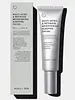
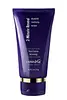
Allies of Skin Multi Acids & Retinoid Brightening Sleeping Facial Versus DefenAge 2-Minute Reveal Mask
This smoothing overnight mask is formulated around Glycolic Acid and Niacinamide to refine skin texture and brighten dull-looking skin.
This wash off mask is made with Papain and Lactobacillus/Punica Granatum Fruit Ferment Extract for a rinse-off smoothing boost.

What's inside
What's inside
 Key Ingredients
Benefits
Concerns
Ingredients Side-by-side
Water
Skin ConditioningGlycerin
Humectant


Glycolic Acid
Buffering










Polysorbate 20
Emulsifying
Propanediol
Solvent
Niacinamide
Smoothing


Butylene Glycol
Humectant
Hydrolyzed Silk
Humectant
Sodium Hydroxide
BufferingYogurt
Skin ProtectingLactic Acid
Buffering
Salicylic Acid
Masking


Caprylyl Glycol
Emollient
Polyacrylate Crosspolymer-6
Emulsion StabilisingDimethyl Isosorbide
SolventSaccharomyces/Xylinum/Black Tea Ferment
Skin Conditioning
Mel
EmollientHoney Extract
Humectant
Panthenol
Skin Conditioning
Allantoin
Skin Conditioning
Glycyrrhiza Glabra Root Extract
Bleaching
Sodium Hyaluronate
Humectant
Sodium Hyaluronate Crosspolymer-3
HumectantPhysalis Angulata Extract
Skin ProtectingGalactoarabinan
Globularia Alypum Leaf Extract
Skin ConditioningDimethyl Sulfone
SolventZymomonas Ferment Extract
HumectantPolygonum Cuspidatum Extract
Skin ConditioningHydrolyzed Opuntia Ficus-Indica Flower Extract
Abrasive
Ascophyllum Nodosum Extract
Skin Conditioning
Mirabilis Jalapa Flower/Leaf/Stem Extract
Skin ConditioningDiglucosyl Gallic Acid
Bisabolol
Antioxidant
Hydroxypinacolone Retinoate
Skin Conditioning
Rosmarinyl Glucoside
Antioxidant
Caffeyl Glucoside
Antioxidant
Gallyl Glucoside
Antioxidant
Caprylic/Capric Triglyceride
Masking
Sodium Lactate
Buffering
Sodium Gluconate
ChelatingMaltodextrin
Absorbent
Sclerotium Gum
Emulsion StabilisingXanthan Gum
EmulsifyingEthylhexylglycerin
Skin ConditioningHydroxyethylcellulose
Emulsion StabilisingGlyceryl Acrylate/Acrylic Acid Copolymer
HumectantTetrasodium EDTA
ChelatingPhenoxyethanol
Preservative
Water, Glycerin, Glycolic Acid, Polysorbate 20, Propanediol, Niacinamide, Butylene Glycol, Hydrolyzed Silk, Sodium Hydroxide, Yogurt, Lactic Acid, Salicylic Acid, Caprylyl Glycol, Polyacrylate Crosspolymer-6, Dimethyl Isosorbide, Saccharomyces/Xylinum/Black Tea Ferment, Mel, Honey Extract, Panthenol, Allantoin, Glycyrrhiza Glabra Root Extract, Sodium Hyaluronate, Sodium Hyaluronate Crosspolymer-3, Physalis Angulata Extract, Galactoarabinan, Globularia Alypum Leaf Extract, Dimethyl Sulfone, Zymomonas Ferment Extract, Polygonum Cuspidatum Extract, Hydrolyzed Opuntia Ficus-Indica Flower Extract, Ascophyllum Nodosum Extract, Mirabilis Jalapa Flower/Leaf/Stem Extract, Diglucosyl Gallic Acid, Bisabolol, Hydroxypinacolone Retinoate, Rosmarinyl Glucoside, Caffeyl Glucoside, Gallyl Glucoside, Caprylic/Capric Triglyceride, Sodium Lactate, Sodium Gluconate, Maltodextrin, Sclerotium Gum, Xanthan Gum, Ethylhexylglycerin, Hydroxyethylcellulose, Glyceryl Acrylate/Acrylic Acid Copolymer, Tetrasodium EDTA, Phenoxyethanol
Butylene Glycol
Humectant
PEG-8
HumectantTapioca Starch
Sucrose
Humectant
Titanium Dioxide
Cosmetic Colorant

Hydroxyethyl Acrylate/Sodium Acryloyldimethyl Taurate Copolymer
Emulsion StabilisingSqualane
Emollient
Polysorbate 60
Emulsifying
Carica Papaya Fruit
Skin ConditioningPapain
Skin Conditioning
Aloe Barbadensis Leaf Juice
Skin Conditioning
Lactobacillus/Pumpkin Ferment Extract
Skin ConditioningLactobacillus/Punica Granatum Fruit Ferment Extract
Antioxidant
Sea Whip Extract
Skin ConditioningCananga Odorata Flower Oil
Masking



Citrus Aurantium Dulcis Peel Oil
Masking
Caprylic/Capric Triglyceride
Masking
Lactic Acid
Buffering
Phenoxyethanol
Preservative
Caprylyl Glycol
Emollient
Ethylhexylglycerin
Skin ConditioningHexylene Glycol
EmulsifyingButylene Glycol, PEG-8, Tapioca Starch, Sucrose, Titanium Dioxide, Hydroxyethyl Acrylate/Sodium Acryloyldimethyl Taurate Copolymer, Squalane, Polysorbate 60, Carica Papaya Fruit, Papain, Aloe Barbadensis Leaf Juice, Lactobacillus/Pumpkin Ferment Extract, Lactobacillus/Punica Granatum Fruit Ferment Extract, Sea Whip Extract, Cananga Odorata Flower Oil, Citrus Aurantium Dulcis Peel Oil, Caprylic/Capric Triglyceride, Lactic Acid, Phenoxyethanol, Caprylyl Glycol, Ethylhexylglycerin, Hexylene Glycol
Alternatives
Ingredients Explained
These ingredients are found in both products.
Ingredients higher up in an ingredient list are typically present in a larger amount.
Butylene Glycol (or BG) is used within cosmetic products for a few different reasons:
Overall, Butylene Glycol is a safe and well-rounded ingredient that works well with other ingredients.
Though this ingredient works well with most skin types, some people with sensitive skin may experience a reaction such as allergic rashes, closed comedones, or itchiness.
Learn more about Butylene GlycolCaprylic/Capric Triglyceride (aka MCT Oil) is a lightweight emollient, solvent, and texture enhancer. It is considered a skin-softener by helping to prevent moisture loss.
Though it behaves like an oil, it is not technically one due to its chemical composition. One perk of this ingredient is that it is very stable, resistant to oxidation, and unlikely to go rancid.
In practice, that translates to a long shelf life and a consistently elegant skin feel.
While there is an assumption Caprylic Triglyceride can clog pores due to it being derived from coconut oil, there is no research supporting this. Just patch test if you have concerns.
Fractionated coconut oil and MCT Oil are both listed as Caprylic/Capric Triglyceride according to INCI. This is because INCI names are based on the ingredient’s final chemical composition and not its marketing name or source.
This ingredient is treated as the gold standard fungal acne safe oil. Even though it is coconut derived, the problematic lauric acid is stripped out.
This leaves just caprylic (C8) and capric (C10) acid. These chain lengths actually trend antifungal; a 2020 study found caprylic acid was enough to disrupt Malassezia furfur cell membrane, with a caprylic acid derivative damaging membrane structures at concentrations as low as 0.2%.
Learn more about Caprylic/Capric TriglycerideCaprylyl Glycol is a humectant, skin conditioner, emollient, and preservative booster derived from either caprylic acid or synthetically created.
Typical use levels vary from 0.3-1% as a preservative booster and go up to 2% to condition skin.
Because it is not a free-fatty acid, this ingredient is fungal acne safe (there's nothing for Malassezia to feed on).
Learn more about Caprylyl GlycolEthylhexylglycerin is created from glycerin. It is a multitasker ingredient that:
The CIR Expert Panel found minimal skin absorption or sensitization of any kind in a safety assessment. Though this ingredient is considered well-tolerated, a small number of cases of allergic dermatitis have been published since 2002. Just be sure to patch test if you are unsure.
Industry-reported use ranges from 8% in rinse-off products and 2% in leave-on formulations.
Learn more about EthylhexylglycerinLactic Acid is another well-loved alpha hydroxy acid (AHA). It is gentler than glycolic acid but still highly effective.
Its main role is to exfoliate the surface of the skin by loosening the “glue” that holds dead skin cells together. Shedding those old cells leads to smoother, softer, and more even-toned skin.
Because lactic acid molecules are larger than glycolic acid, they don’t penetrate as deeply. This means they’re less likely to sting or irritate, making it a great choice for beginners or those with sensitive skin.
Like glycolic acid, it can:
Lactic acid also acts as a humectant (like hyaluronic acid). It can draw water into the skin to improve hydration and also plays a role in the skin's natural moisturizing factor (NMF) in the form of sodium lactate.
Studies show it can boost ceramide production to strengthen the skin barrier and even help balance the skin’s microbiome.
To get results, choose products with a pH between 3-4.
Lower strengths (5-12%) focus on surface exfoliation; higher strengths (12% and up) can reach deeper in the dermis (deeper, supportive layer) to improve skin texture and firmness over time.
Though it was originally derived from milk, most modern lactic acid used in skincare is vegan. It is made through non-dairy fermentation to create a bio-identical and stable form suitable for all formulations.
When lactic acid shows up near the end of an ingredient list, it usually means the brand added just a tiny amount to adjust the product’s pH.
Legend has it that Cleopatra used to bathe in sour milk to help reduce wrinkles.
Lactic acid is truly a gentle multitasker: it exfoliates, hydrates, strengthens, and brightens. It's a great ingredient for giving your skin a smooth, glowing, and healthy look without the harshness of stronger acids.
Read more about some other popular AHA's here:
Learn more about Lactic AcidPhenoxyethanol is one of the most widely used preservatives in skincare (and for good reason!).
It has a large spectrum of antimicrobial activity and especially effective bacteria, yeast, and mold while only having a weak effect on your skin's natural microbiome.
On a cellular level, it disrupts the cell membranes of microbes by poking holes that make the cell leak. This shuts down the chemical reactions the microbe needs to make energy so it can no longer survive.
Another perk of this ingredient is that it stays functional across a wide pH range (3-10).
You'll often see it paired with boosters like Ethylhexylglycerin; one study showed that a 1:9 ratio of Ethylhexylglycerin to Phenoxyethanol damages bacterial membranes as effectively as doubling the Phenoxyethanol concentration on its own.
Typical use concentrations range from 0.3-1% depending on the formula, and this ingredient is capped at 1% int the EU.
Safety-wise, the fear mongering does not hold up to the evidence. The EU's Scientific Committee on Consumer Safety and FDA consider it safe as a preservative at up to 1%, including for children of all ages.
Adverse systemic effects only showed up in animal studies at exposures roughly 200x higher than what people get from cosmetics. And despite its very widespread use, this ingredient is a rare sensitizer and allergic reactions are uncommon.
Learn more about Phenoxyethanol

