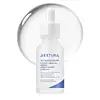
This hydrating serum is formulated around Niacinamide and Panthenol to hydrate skin and strengthen the skin barrier.
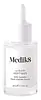
This anti-aging serum is formulated around Carnosine and Palmitoyl Tripeptide-5 to soften the look of wrinkles and refine skin texture.


What's inside
What's inside
 Key Ingredients
Benefits
Concerns
Ingredients Side-by-side
Water
Skin ConditioningButylene Glycol
Humectant

Glycerin
Humectant
Niacinamide
Smoothing









1,2-Hexanediol
Skin Conditioning
Betaine
Humectant
Panthenol
Skin Conditioning
Carbomer
Emulsion StabilisingEthylhexylglycerin
Skin ConditioningSodium Hyaluronate
Humectant
3-O-Ethyl Ascorbic Acid
Skin Conditioning
Cellulose Gum
Emulsion StabilisingTromethamine
BufferingSodium Trimetaphosphate
BufferingDipotassium Glycyrrhizate
Humectant
Propanediol
Solvent
Adenosine
Skin Conditioning
Hydroxypropyl Bispalmitamide Mea
Emollient
Sodium Metaphosphate
BufferingGlyceryl Caprylate
EmollientPotassium Hydroxide
BufferingSodium Lactate
Buffering
Biosaccharide Gum-1
Humectant
Caprylic/Capric Triglyceride
Masking
Pentylene Glycol
Skin Conditioning
Citric Acid
Buffering

Hydroxyethyl Urea
Humectant
Polyglyceryl-10 Stearate
Skin Conditioning
Cholesterol
Emollient
Propylene Glycol
Humectant
Potassium Cetyl Phosphate
EmulsifyingTocopherol
Antioxidant

Ceramide NP
Skin Conditioning
Mannitol
Humectant
Stearic Acid
Cleansing
Silica
Abrasive
Acrylates/Ammonium Methacrylate Copolymer
Hydrogenated Lecithin
Emulsifying
Palmitic Acid
Emollient
Oleic Acid
Emollient
Arachidic Acid
Cleansing
Sphingolipids
Emollient
Water, Butylene Glycol, Glycerin, Niacinamide, 1,2-Hexanediol, Betaine, Panthenol, Carbomer, Ethylhexylglycerin, Sodium Hyaluronate, 3-O-Ethyl Ascorbic Acid, Cellulose Gum, Tromethamine, Sodium Trimetaphosphate, Dipotassium Glycyrrhizate, Propanediol, Adenosine, Hydroxypropyl Bispalmitamide Mea, Sodium Metaphosphate, Glyceryl Caprylate, Potassium Hydroxide, Sodium Lactate, Biosaccharide Gum-1, Caprylic/Capric Triglyceride, Pentylene Glycol, Citric Acid, Hydroxyethyl Urea, Polyglyceryl-10 Stearate, Cholesterol, Propylene Glycol, Potassium Cetyl Phosphate, Tocopherol, Ceramide NP, Mannitol, Stearic Acid, Silica, Acrylates/Ammonium Methacrylate Copolymer, Hydrogenated Lecithin, Palmitic Acid, Oleic Acid, Arachidic Acid, Sphingolipids
Water
Skin ConditioningGlycerin
Humectant
Butylene Glycol
Humectant
Inulin
Skin Conditioning
Sodium Hyaluronate
Humectant
Panthenol
Skin Conditioning
Alpha-Glucan Oligosaccharide
Cleansing
Carnosine
Skin Conditioning
Carbomer
Emulsion StabilisingPolysorbate 20
Emulsifying
Caprylyl Glycol
Emollient
Phenoxyethanol
Preservative
Hydroxypropyl Cyclodextrin
MaskingDunaliella Salina Extract
Skin ConditioningEthylhexylglycerin
Skin ConditioningCitric Acid
Buffering
Palmitoyl Tripeptide-5
Skin Conditioning
Sodium Benzoate
Masking
Acetyl Hexapeptide-8
Humectant
Tetrapeptide-21
Skin Conditioning
Pentapeptide-18
Skin Conditioning
Palmitoyl Tripeptide-1
Skin Conditioning
Pantolactone
Humectant
Palmitoyl Tripeptide-38
Skin Conditioning
Palmitoyl Tetrapeptide-7
Skin Conditioning
Glyceryl Caprylate
EmollientLactic Acid/Glycolic Acid Copolymer
Skin ConditioningPolyvinyl Alcohol
Phenylpropanol
Masking

Copper Palmitoyl Heptapeptide-14
Skin Conditioning
Heptapeptide-15 Palmitate
Skin Conditioning
Potassium Sorbate
Preservative
Xanthan Gum
EmulsifyingWater, Glycerin, Butylene Glycol, Inulin, Sodium Hyaluronate, Panthenol, Alpha-Glucan Oligosaccharide, Carnosine, Carbomer, Polysorbate 20, Caprylyl Glycol, Phenoxyethanol, Hydroxypropyl Cyclodextrin, Dunaliella Salina Extract, Ethylhexylglycerin, Citric Acid, Palmitoyl Tripeptide-5, Sodium Benzoate, Acetyl Hexapeptide-8, Tetrapeptide-21, Pentapeptide-18, Palmitoyl Tripeptide-1, Pantolactone, Palmitoyl Tripeptide-38, Palmitoyl Tetrapeptide-7, Glyceryl Caprylate, Lactic Acid/Glycolic Acid Copolymer, Polyvinyl Alcohol, Phenylpropanol, Copper Palmitoyl Heptapeptide-14, Heptapeptide-15 Palmitate, Potassium Sorbate, Xanthan Gum
Reviews
Ingredients Explained
These ingredients are found in both products.
Ingredients higher up in an ingredient list are typically present in a larger amount.
Butylene Glycol (or BG) is used within cosmetic products for a few different reasons:
Overall, Butylene Glycol is a safe and well-rounded ingredient that works well with other ingredients.
Though this ingredient works well with most skin types, some people with sensitive skin may experience a reaction such as allergic rashes, closed comedones, or itchiness.
Learn more about Butylene GlycolCarbomer is a synthetic thickening and gelling agent. It's basically the ingredient that gives a lot of serums, gels, creams, and sunscreens their smooth, non-sticky texture.
Although legally permitted at very high levels, carbomers are normally used at concentrations below 1%.
It also needs to be neutralized to actually thicken, and because it is a large molecule, it doesn't really penetrate the skin barrier.
Allergy-wise, the risk is very low. Clinical studies show carbomers have low potential for skin irritation/sensitization even at concentrations up to 100%.
A 2024 UK study patch-tested 1,302 patients and found true allergy to the parent group of carbomer to be rare with no confirmed relevant reactions.
Learn more about CarbomerCitric Acid is an alpha hydroxy acid (AHA) naturally found in citrus fruits like oranges, lemons, and limes.
Like other AHAs, citric acid can exfoliate skin by breaking down the bonds that hold dead skin cells together. This helps reveal smoother and brighter skin underneath.
However, this exfoliating effect only happens at high concentrations (20%) which can be hard to find in cosmetic products.
Due to this, citric acid is usually included in small amounts as a pH adjuster. This helps keep products slightly more acidic and compatible with skin's natural pH.
In skincare formulas, citric acid can:
While it can provide some skin benefits, research shows lactic acid and glycolic acid are generally more effective and less irritating exfoliants.
Most citric acid used in skincare today is made by fermenting sugars (usually from molasses). This synthetic version is identical to the natural citrus form but easier to stabilize and use in formulations.
Read more about some other popular AHA's here:
Learn more about Citric AcidEthylhexylglycerin is created from glycerin. It is a multitasker ingredient that:
The CIR Expert Panel found minimal skin absorption or sensitization of any kind in a safety assessment. Though this ingredient is considered well-tolerated, a small number of cases of allergic dermatitis have been published since 2002. Just be sure to patch test if you are unsure.
Industry-reported use ranges from 8% in rinse-off products and 2% in leave-on formulations.
Learn more about EthylhexylglycerinGlycerin (or glycerol) is a compound naturally found in your skin. It's a powerhouse humectant that pulls water into the stratum corneum.
Topically, glycerin does several things at once:
Your skin makes glycerin on its own (mostly from sebaceous oil breakdown) and shuttles it to your outermost layer of skin, or your epidermis, via aquaporin-3.
Aquaporin-3 is a transporter that is essential for normal skin hydration, elasticity, and repair. Interestingly, mice lacking in AQP3 have dry and less elastic skin that can be fully corrected with glycerin.
This ingredient is non-irritating, plays well with almost every ingredient, and works across all skin types. Typical use is anywhere between 3-10% but can go up to 79% in some leave-on products.
Just know very high concentrations (>40%) can feel tacky in low humidity.
Glycerin is the name for this ingredient in American English. British English uses Glycerol/Glycerine.
Learn more about GlycerinGlyceryl Caprylate comes from glycerin and caprylic acid. It is an emollient, co-emulsifier, and preservative booster.
Its short C8 fatty acid chain makes it behave differently from its longer-chain emollient cousins like Glyceryl Stearate. It feels more lightweight, fast-absorbing, and silky instead of rich and waxy.
As a co-emulsifier, its "head" and "tail" sit at the oil-water interface. But overall, the short C8 tail and not being water soluble means it doesn't really have the muscle to emulsify a formula on its own. That's why you'll often see it paired with a primary emulsifier like Cetearyl Glucoside.
Interestingly, Glyceryl Caprylate acts as a preservative booster. This is because its fatty-acid backbone disrupts microbial lipid membranes. It shows excellent activity against bacteria and yeast but is weaker against mold.
Typical concentrations range from 0.5-1% and this ingredient is generally non-irritating.
Because this ingredient has a C8 fatty acid chain, it is outside the range that the Malassezia yeast metabolizes (making it fungal acne safe).
Learn more about Glyceryl CaprylatePanthenol is a common ingredient that helps hydrate and soothe the skin. It is found naturally in our skin and hair.
There are two forms of panthenol: D and L.
D-panthenol is also known as dexpanthenol. Most cosmetics use dexpanthenol or a mixture of D and L-panthenol.
Panthenol is famous due to its ability to go deeper into the skin's layers. Using this ingredient has numerous pros (and no cons):
Like hyaluronic acid, panthenol is a humectant. Humectants are able to bind and hold large amounts of water to keep skin hydrated.
This ingredient works well for wound healing. It works by increasing tissue in the wound and helps close open wounds.
Once oxidized, panthenol converts to pantothenic acid. Panthothenic acid is found in all living cells.
This ingredient is also referred to as pro-vitamin B5.
Learn more about PanthenolSodium Hyaluronate is the salt form of hyaluronic acid. It is a long sugar chain that is naturally found in your skin, joints, and connective tissue that maintains hydration and elasticity.
In skincare, it works as a humectant. It pulls water from the environment and deeper layers of skin and binds it to the surface.
Interestingly, the size of the molecule affects its behavior:
Some clinical evidence links low molecular weight versions to improved wrinkle depth, elasticity, anti-inflammatory effects, and barrier repair.
Many serums use a blend of both weights so you can get surface hydration plus longer-lasting and deeper effects.
You'll typically see concentrations between 0.1-2% for this ingredient.
Learn more about Sodium HyaluronateWater. It's the most common cosmetic ingredient of all. You'll usually see it at the top of ingredient lists, meaning that it makes up the largest part of the product.
So why is it so popular? Water most often acts as a solvent - this means that it helps dissolve other ingredients into the formulation.
You'll also recognize water as that liquid we all need to stay alive. If you see this, drink a glass of water. Remember to stay hydrated!
Learn more about Water

