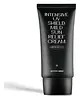
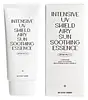
Active Nine Intensive UV Shield Mild Sun Relief Cream SPF50+ PA++++ Versus Active Nine Intensive UV Shield Airy Sun Soothing Essence SPF 50 PA++++
This hybrid sunscreen covers the full UV range and blocks ~98% of UVB at SPF 50.
This chemical sunscreen covers the full UV range and blocks ~98% of UVB at SPF 50.

What's inside
What's inside
 Key Ingredients
Benefits
Concerns
No concerns
Ingredients Side-by-side
Water
Skin ConditioningZinc Oxide
Cosmetic Colorant


Cyclopentasiloxane
Emollient
Butyloctyl Salicylate
Skin Conditioning
Propanediol
Solvent

Propylheptyl Caprylate
EmollientIsododecane
EmollientCaprylyl Methicone
Skin Conditioning
PEG-10 Dimethicone
Skin Conditioning
Niacinamide
Smoothing









Disteardimonium Hectorite
StabilisingPolyglyceryl-3 Polydimethylsiloxyethyl Dimethicone
Skin Conditioning
Corchorus Olitorius Leaf Extract
Skin ConditioningAngelica Keiskei Extract
Antioxidant
Nelumbo Nucifera Root Extract
Skin ConditioningHibiscus Esculentus Fruit Extract
Skin ConditioningDioscorea Japonica Root Extract
Skin Conditioning
Sodium Hyaluronate
Humectant
Melaleuca Alternifolia Leaf Water
Antimicrobial
Magnesium Sulfate
Triethoxycaprylylsilane
1,2-Hexanediol
Skin Conditioning
Polymethylsilsesquioxane
Glyceryl Caprylate
EmollientCaprylyl Glycol
Emollient
Ethylhexylglycerin
Skin ConditioningAdenosine
Skin Conditioning
Panthenol
Skin Conditioning
Water, Zinc Oxide, Cyclopentasiloxane, Butyloctyl Salicylate, Propanediol, Propylheptyl Caprylate, Isododecane, Caprylyl Methicone, PEG-10 Dimethicone, Niacinamide, Disteardimonium Hectorite, Polyglyceryl-3 Polydimethylsiloxyethyl Dimethicone, Corchorus Olitorius Leaf Extract, Angelica Keiskei Extract, Nelumbo Nucifera Root Extract, Hibiscus Esculentus Fruit Extract, Dioscorea Japonica Root Extract, Sodium Hyaluronate, Melaleuca Alternifolia Leaf Water, Magnesium Sulfate, Triethoxycaprylylsilane, 1,2-Hexanediol, Polymethylsilsesquioxane, Glyceryl Caprylate, Caprylyl Glycol, Ethylhexylglycerin, Adenosine, Panthenol
Water
Skin ConditioningDibutyl Adipate
EmollientC12-15 Alkyl Benzoate
AntimicrobialDiethylamino Hydroxybenzoyl Hexyl Benzoate
UV Filter
Polysilicone-15
UV Filter
Silica
Abrasive
Polyglyceryl-6 Stearate
Emollient

Glycerin
Humectant
Niacinamide
Smoothing
Synthetic Fluorphlogopite
Methylene Bis-Benzotriazolyl Tetramethylbutylphenol
UV Filter
Bis-Ethylhexyloxyphenol Methoxyphenyl Triazine
UV Absorber
Ethylhexyl Triazone
UV Absorber
Polyglyceryl-6 Behenate
Emulsion Stabilising
Cetearyl Alcohol
Emollient



Panthenol
Skin Conditioning
Dipropylene Glycol
HumectantGlyceryl Stearate
Emollient
Hydroxyacetophenone
Antioxidant
Acrylates/C10-30 Alkyl Acrylate Crosspolymer
Emulsion StabilisingTromethamine
BufferingDecyl Glucoside
Cleansing
Caprylyl Glycol
Emollient
Allantoin
Skin Conditioning
Adenosine
Skin Conditioning
Disodium EDTA
ChelatingXanthan Gum
EmulsifyingButylene Glycol
Humectant
Dipotassium Glycyrrhizate
Humectant
Ceramide NP
Skin Conditioning
1,2-Hexanediol
Skin Conditioning
Aloe Barbadensis Leaf Extract
Emollient
Dioscorea Japonica Root Extract
Skin Conditioning
Laminaria Japonica Extract
Skin Protecting
Viola Mandshurica Flower Extract
Antioxidant
Ulmus Davidiana Root Extract
Skin Conditioning
Cynanchum Atratum Extract
Skin ConditioningWater, Dibutyl Adipate, C12-15 Alkyl Benzoate, Diethylamino Hydroxybenzoyl Hexyl Benzoate, Polysilicone-15, Silica, Polyglyceryl-6 Stearate, Glycerin, Niacinamide, Synthetic Fluorphlogopite, Methylene Bis-Benzotriazolyl Tetramethylbutylphenol, Bis-Ethylhexyloxyphenol Methoxyphenyl Triazine, Ethylhexyl Triazone, Polyglyceryl-6 Behenate, Cetearyl Alcohol, Panthenol, Dipropylene Glycol, Glyceryl Stearate, Hydroxyacetophenone, Acrylates/C10-30 Alkyl Acrylate Crosspolymer, Tromethamine, Decyl Glucoside, Caprylyl Glycol, Allantoin, Adenosine, Disodium EDTA, Xanthan Gum, Butylene Glycol, Dipotassium Glycyrrhizate, Ceramide NP, 1,2-Hexanediol, Aloe Barbadensis Leaf Extract, Dioscorea Japonica Root Extract, Laminaria Japonica Extract, Viola Mandshurica Flower Extract, Ulmus Davidiana Root Extract, Cynanchum Atratum Extract
Reviews
Ingredients Explained
These ingredients are found in both products.
Ingredients higher up in an ingredient list are typically present in a larger amount.
1,2-Hexanediol is a synthetic liquid and another multi-functional powerhouse.
It is a:
- Humectant, drawing moisture into the skin
- Emollient, helping to soften skin
- Solvent, dispersing and stabilizing formulas
- Preservative booster, enhancing the antimicrobial activity of other preservatives
Adenosine is a purine nucleoside that your body already makes in every cell. In skincare, it acts mainly as a skin conditioning and anti-aging agent.
The way it works is fairly well mapped out:
Your skin has cells called fibroblasts that build collagen (the stuff that keeps skin firm and smooth). Adenosine basically flips a switch on these cells that tells them to get to work making more collagen and other proteins. These cells slow down on their own as skin ages, so Adenosine helps give them a little nudge to keep going.
The clinical backing is pretty solid too.
A blind, randomized, placebo-controlled trial of 126 women aged 45-65 tested a 0.1% cream twice daily and found real improvements in crow's feet and frown lines using a precise 3D skin-mapping technique; these changes showed up by week 3 and held at 2 months.
A later study using Adenosine-loaded dissolving microneedle patches reported gains in wrinkle depth, dermal density, elasticity, and hydration.
On concentrations, South Korea's Ministry of Food and Drug Safety has set 0.04% as the approved functional anti-wrinkle level. You'll typically see this ingredient used somewhere in the 0.04-0.1% range since it works at low doses.
This ingredient has been found safe for cosmetics with the data showing no irritation or sensitization.
Overall, this is a great ingredient for any anti-aging routine and has no photosensitizing effect, so it suits both AM and PM use.
Learn more about AdenosineCaprylyl Glycol is a humectant, skin conditioner, emollient, and preservative booster derived from either caprylic acid or synthetically created.
Typical use levels vary from 0.3-1% as a preservative booster and go up to 2% to condition skin.
Because it is not a free-fatty acid, this ingredient is fungal acne safe (there's nothing for Malassezia to feed on).
Learn more about Caprylyl GlycolThis ingredient comes from the Asian mountain yam and has skin conditioning properties. Clinical studies have confirmed this ingredient to work as an effective moisturizer.
The extract is rich in compounds like diosgenin, polysaccharides, and polyphenols, gallic acid, and vanillic acid. Research on these extracts has demonstrated antioxidant effects in-vitro and anti-inflammatory activity in animal models.
The bioactives in the root extract have also been shown in lab tests to have anti-wrinkle, antioxidant, and anti-allergy properties.
A big 2022 review looked at the whole Dioscorea family and found these plants consistently showed antioxidant activity across the board.
This ingredient is gentle and well-tolerated by all skin types.
Learn more about Dioscorea Japonica Root ExtractNiacinamide is a multitasking form of vitamin B3 that strengthens the skin barrier, reduces pores and dark spots, regulates oil, and improves signs of aging.
And the best part? It's gentle and well-tolerated by most skin types, including sensitive and reactive skin.
You might have heard of "niacin flush", or the reddening of skin that causes itchiness. Niacinamide has not been found to cause this.
In very rare cases, some individuals may not be able to tolerate niacinamide at all or experience an allergic reaction to it.
If you are experiencing flaking, irritation, and dryness with this ingredient, be sure to double check all your products as this ingredient can be found in all categories of skincare.
When incorporating niacinamide into your routine, look out for concentration amounts. Typically, 5% niacinamide provides benefits such as fading dark spots. However, if you have sensitive skin, it is better to begin with a smaller concentration.
When you apply niacinamide to your skin, your body converts it into nicotinamide adenine dinucleotide (NAD). NAD is an essential coenzyme that is already found in your cells as "fuel" and powers countless biological processes.
In your skin, NAD helps repair cell damage, produce new healthy cells, support collagen production, strengthen the skin barrier, and fight environmental stressors (like UV and pollution).
Our natural NAD levels start to decline with age, leading to slower skin repair, visible aging, and a weaker skin barrier. By providing your skin niacinamide, you're recharging your skin's NAD levels. This leads to stronger, healthier, and younger looking skin.
Another name for vitamin B3 is nicotinamide. This vitamin is water-soluble and our bodies don't store it. We obtain Vitamin B3 from either food or skincare. Meat, fish, wheat, yeast, and leafy greens contain vitamin B3.
The type of niacinamide used in skincare is synthetically created.
Learn more about NiacinamidePanthenol is a common ingredient that helps hydrate and soothe the skin. It is found naturally in our skin and hair.
There are two forms of panthenol: D and L.
D-panthenol is also known as dexpanthenol. Most cosmetics use dexpanthenol or a mixture of D and L-panthenol.
Panthenol is famous due to its ability to go deeper into the skin's layers. Using this ingredient has numerous pros (and no cons):
Like hyaluronic acid, panthenol is a humectant. Humectants are able to bind and hold large amounts of water to keep skin hydrated.
This ingredient works well for wound healing. It works by increasing tissue in the wound and helps close open wounds.
Once oxidized, panthenol converts to pantothenic acid. Panthothenic acid is found in all living cells.
This ingredient is also referred to as pro-vitamin B5.
Learn more about PanthenolWater. It's the most common cosmetic ingredient of all. You'll usually see it at the top of ingredient lists, meaning that it makes up the largest part of the product.
So why is it so popular? Water most often acts as a solvent - this means that it helps dissolve other ingredients into the formulation.
You'll also recognize water as that liquid we all need to stay alive. If you see this, drink a glass of water. Remember to stay hydrated!
Learn more about Water

