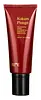
This lactic acid gel cleanser is formulated around Lactic Acid to exfoliate and smooth skin.
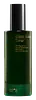
This barrier-repair serum is formulated around Niacinamide and Saccharide Isomerate to strengthen the skin barrier and calm redness.

What's inside
What's inside
 Key Ingredients
Benefits
Concerns
Ingredients Side-by-side
Water
Skin ConditioningSorbitol
Humectant

Sodium Cocoyl Isethionate
Cleansing
Coco-Glucoside
Cleansing
Glycerin
Humectant
Hexylene Glycol
EmulsifyingSodium PCA
Humectant
Saccharide Isomerate
Humectant
Garcinia Indica Seed Butter
Skin Conditioning

Tocopheryl Acetate
Antioxidant


Lactic Acid
Buffering







PEG-45m
HumectantGlucosyl Hesperidin
HumectantMelissa Officinalis Leaf Extract
Skin ConditioningHordeum Distichon Extract
Skin ProtectingCaesalpinia Spinosa Fruit Pod Extract
Helianthus Annuus Sprout Extract
Skin ConditioningCaprylic/Capric Triglyceride
Masking
Cocamidopropyl Betaine
Cleansing
Propylene Glycol
Humectant
Phenoxyethanol
Preservative
Acrylates/C10-30 Alkyl Acrylate Crosspolymer
Emulsion StabilisingGlycol Distearate
Emollient
Kaolin
Abrasive

Xanthan Gum
EmulsifyingParfum
Masking

Coconut Acid
Cleansing
Sodium Gluconate
ChelatingSodium Isethionate
CleansingSodium Pg-Sulfonate
HumectantCitric Acid
Buffering
Sodium Citrate
BufferingSodium Benzoate
Masking
Sodium Hydroxide
BufferingCI 77891
Cosmetic ColorantWater, Sorbitol, Sodium Cocoyl Isethionate, Coco-Glucoside, Glycerin, Hexylene Glycol, Sodium PCA, Saccharide Isomerate, Garcinia Indica Seed Butter, Tocopheryl Acetate, Lactic Acid, PEG-45m, Glucosyl Hesperidin, Melissa Officinalis Leaf Extract, Hordeum Distichon Extract, Caesalpinia Spinosa Fruit Pod Extract, Helianthus Annuus Sprout Extract, Caprylic/Capric Triglyceride, Cocamidopropyl Betaine, Propylene Glycol, Phenoxyethanol, Acrylates/C10-30 Alkyl Acrylate Crosspolymer, Glycol Distearate, Kaolin, Xanthan Gum, Parfum, Coconut Acid, Sodium Gluconate, Sodium Isethionate, Sodium Pg-Sulfonate, Citric Acid, Sodium Citrate, Sodium Benzoate, Sodium Hydroxide, CI 77891
Water
Skin ConditioningPropylene Glycol
Humectant
Pentylene Glycol
Skin Conditioning
Hexylene Glycol
EmulsifyingNiacinamide
Smoothing
Glycerin
Humectant
Saccharide Isomerate
Humectant
Madecassoside
Antioxidant
Caffeine
Skin Conditioning
Ribes Nigrum Leaf Extract
Perfuming
Rubus Idaeus Leaf Extract
Skin ConditioningMelissa Officinalis Leaf Extract
Skin ConditioningHordeum Distichon Extract
Skin ProtectingCaesalpinia Spinosa Fruit Pod Extract
Helianthus Annuus Sprout Extract
Skin ConditioningGlucosyl Hesperidin
HumectantMethylsilanol Mannuronate
Skin ConditioningLecithin
Emollient
Sclerotium Gum
Emulsion StabilisingPullulan
Biosaccharide Gum-1
Humectant
Ammonium Acryloyldimethyltaurate/Vp Copolymer
Caprylyl Glycol
Emollient
Benzyl Alcohol
Perfuming

Polyglyceryl-6 Caprylate
EmulsifyingPolyglyceryl-4 Caprate
EmulsifyingSodium Polyacryloyldimethyl Taurate
Emulsion StabilisingXanthan Gum
EmulsifyingParfum
Masking
Phenoxyethanol
Preservative
Sodium Benzoate
Masking
Citric Acid
Buffering
Sodium Citrate
BufferingSorbic Acid
Preservative
Silica
Abrasive
Water, Propylene Glycol, Pentylene Glycol, Hexylene Glycol, Niacinamide, Glycerin, Saccharide Isomerate, Madecassoside, Caffeine, Ribes Nigrum Leaf Extract, Rubus Idaeus Leaf Extract, Melissa Officinalis Leaf Extract, Hordeum Distichon Extract, Caesalpinia Spinosa Fruit Pod Extract, Helianthus Annuus Sprout Extract, Glucosyl Hesperidin, Methylsilanol Mannuronate, Lecithin, Sclerotium Gum, Pullulan, Biosaccharide Gum-1, Ammonium Acryloyldimethyltaurate/Vp Copolymer, Caprylyl Glycol, Benzyl Alcohol, Polyglyceryl-6 Caprylate, Polyglyceryl-4 Caprate, Sodium Polyacryloyldimethyl Taurate, Xanthan Gum, Parfum, Phenoxyethanol, Sodium Benzoate, Citric Acid, Sodium Citrate, Sorbic Acid, Silica
Ingredients Explained
These ingredients are found in both products.
Ingredients higher up in an ingredient list are typically present in a larger amount.
We don't have a description for Caesalpinia Spinosa Fruit Pod Extract yet.
Citric Acid is an alpha hydroxy acid (AHA) naturally found in citrus fruits like oranges, lemons, and limes.
Like other AHAs, citric acid can exfoliate skin by breaking down the bonds that hold dead skin cells together. This helps reveal smoother and brighter skin underneath.
However, this exfoliating effect only happens at high concentrations (20%) which can be hard to find in cosmetic products.
Due to this, citric acid is usually included in small amounts as a pH adjuster. This helps keep products slightly more acidic and compatible with skin's natural pH.
In skincare formulas, citric acid can:
While it can provide some skin benefits, research shows lactic acid and glycolic acid are generally more effective and less irritating exfoliants.
Most citric acid used in skincare today is made by fermenting sugars (usually from molasses). This synthetic version is identical to the natural citrus form but easier to stabilize and use in formulations.
Rosacea skin has a lower threshold for acids generally, with 62.5% of rosacea subjects in one study reacting to lactic acid in a sting test. This is why we mark citric acid as a potential rosacea trigger.
However, this ingredient shows up as a pH adjuster or chelator at roughly 0.1-1% in many products. These low levels are unlikely to be an issue for rosacea skin and becomes a potential trigger at exfoliating concentrations (20%). Because everybody's skin is unique, we recommend a patch test if you are unsure.
Learn more about Citric AcidWe don't have a description for Glucosyl Hesperidin yet.
Glycerin (or glycerol) is a compound naturally found in your skin. It's a powerhouse humectant that pulls water into the stratum corneum.
Topically, glycerin does several things at once:
Your skin makes glycerin on its own (mostly from sebaceous oil breakdown) and shuttles it to your outermost layer of skin, or your epidermis, via aquaporin-3.
Aquaporin-3 is a transporter that is essential for normal skin hydration, elasticity, and repair. Interestingly, mice lacking in AQP3 have dry and less elastic skin that can be fully corrected with glycerin.
This ingredient is non-irritating, plays well with almost every ingredient, and works across all skin types. Typical use is anywhere between 3-10% but can go up to 79% in some leave-on products.
Just know very high concentrations (>40%) can feel tacky in low humidity.
Glycerin is the name for this ingredient in American English. British English uses Glycerol/Glycerine.
Learn more about GlycerinWe don't have a description for Helianthus Annuus Sprout Extract yet.
Hexylene Glycol is a multitasker ingredient that works as a solvent, humectant, emulsifier, viscosity reducer, and preservative booster.
It is able to dissolve both water and oil-soluble ingredients to stabilize tricky actives and make products spread more easily.
As a humectant, it pulls water into the skin. But it's a pretty minor moisturizing ingredient compared to other humectants, like glycerin.
Interestingly, it can act as a mild penetration enhancer. One in vitro study on human skin found a 12% concentration upped the absorption of mometasone furoate (a medicinal ingredient used to treat inflammatory skin conditions) up to 7%.
This ingredient is typically used at levels of 0.1-10% depending on the role it's playing.
A patch test study on eczema patients didn't find a significant increase in irritation versus the control group, but the potential for irritation rises at higher concentrations.
Learn more about Hexylene GlycolWe don't have a description for Hordeum Distichon Extract yet.
Lemon balm is a mint-family herb with skin conditioning properties. It contains components such as rosmarinic acid, caffeic acid, geraniol, citronellal, and ursolic acid.
Parfum is a catch-all term for an ingredient or more that is used to give a scent to products.
Also called "fragrance", this ingredient can be a blend of hundreds of chemicals or plant oils. This means every product with "fragrance" or "parfum" in the ingredients list is a different mixture.
For instance, Habanolide is a proprietary trade name for a specific aroma chemical. When used as a fragrance ingredient in cosmetics, most aroma chemicals fall under the broad labeling category of “FRAGRANCE” or “PARFUM” according to EU and US regulations.
The term 'parfum' or 'fragrance' is not regulated in many countries. In many cases, it is up to the brand to define this term.
For instance, many brands choose to label themselves as "fragrance-free" because they are not using synthetic fragrances. However, their products may still contain ingredients such as essential oils that are considered a fragrance by INCI standards.
One example is Calendula flower extract. Calendula is an essential oil that still imparts a scent or 'fragrance'.
Depending on the blend, the ingredients in the mixture can cause allergies and sensitivities on the skin. Some ingredients that are known EU allergens include linalool and citronellol.
Parfum can also be used to mask or cover an unpleasant scent.
The bottom line is: not all fragrances/parfum/ingredients are created equally. If you are worried about fragrances, we recommend taking a closer look at an ingredient. And of course, we always recommend speaking with a professional.
Learn more about ParfumPhenoxyethanol is one of the most widely used preservatives in skincare (and for good reason!).
It has a large spectrum of antimicrobial activity and especially effective bacteria, yeast, and mold while only having a weak effect on your skin's natural microbiome.
On a cellular level, it disrupts the cell membranes of microbes by poking holes that make the cell leak. This shuts down the chemical reactions the microbe needs to make energy so it can no longer survive.
Another perk of this ingredient is that it stays functional across a wide pH range (3-10).
You'll often see it paired with boosters like Ethylhexylglycerin; one study showed that a 1:9 ratio of Ethylhexylglycerin to Phenoxyethanol damages bacterial membranes as effectively as doubling the Phenoxyethanol concentration on its own.
Typical use concentrations range from 0.3-1% depending on the formula, and this ingredient is capped at 1% int the EU.
Safety-wise, the fear mongering does not hold up to the evidence. The EU's Scientific Committee on Consumer Safety and FDA consider it safe as a preservative at up to 1%, including for children of all ages.
Adverse systemic effects only showed up in animal studies at exposures roughly 200x higher than what people get from cosmetics. And despite its very widespread use, this ingredient is a rare sensitizer and allergic reactions are uncommon.
Learn more about PhenoxyethanolPropylene Glycol is a synthetic, colorless, odorless liquid that has been a staple in cosmetics for decades. It is a skin conditioning agent, humectant, and solvent.
As a humectant, it draw water to the skin to reduce flaking and restore suppleness. It's also a solvent that helps dissolve other actives and keeps formulas stable across temperature changes.
The CIR Expert Panel has confirmed this ingredient to be nontoxic and clinical studies show no sensitization at cosmetic use concentrations.
True allergic reactions are quite rare: a 15-year retrospective study of 6,751 patients found only 0.31% had a positive reaction (and less than half were considered clinically relevant).
It seemed that when sensitization does occur, it's most commonly linked to topical medication (like corticosteroids) and not cosmetics. Allergic contact dermatitis also appears largely limited to individuals with underlying skin conditions.
Overall, propylene glycol is a well-studied ingredient that most people can tolerate without issue.
Learn more about Propylene GlycolSaccharide Isomerate comes from sugars found in corn. It is a skin hydrator.
The structure of this ingredient can be altered to be more similar to the carbohydrates found in our skin. This ability to mimic our skin gives it hydrating properties.
Specifically, saccharide Isomerate is a humectant. Humectants draw moisture from the air to our skin.
Research shows Saccharide Isomerate to be an effective moisturizer.
Learn more about Saccharide IsomerateSodium Benzoate is a preservative. It's used in both cosmetic and food products to inhibit the growth of mold and bacteria. It is typically produced synthetically.
Both the US FDA and EU Health Committee have approved the use of sodium benzoate. In the US, levels of 0.1% (of the total product) are allowed.
Sodium benzoate works as a preservative by inhibiting the growth of bacteria inside of cells. It prevents the cell from fermenting a type of sugar using an enzyme called phosphofructokinase.
It is the salt of benzoic acid. Foods containing sodium benzoate include soda, salad dressings, condiments, fruit juices, wines, and snack foods.
Studies for using ascorbic acid and sodium benzoate in cosmetics are lacking, especially in skincare routines with multiple steps.
We always recommend speaking with a professional, such as a dermatologist, if you have any concerns.
Learn more about Sodium BenzoateSodium Citrate is the sodium salts of citric acid. In skincare, it is used to alter pH levels and acts as a preservative.
Its main functions are to maintain the pH of a product and neutralize metal ions.
The acidity of our skin is maintained by our glands and skin biome; normal pH level of skin is slightly acidic (~4.75-5.5).
Being slightly acidic allows our skin to create an "acid mantle". This acid mantle is a thin barrier that protects our skin from bacteria and contaminants.
Learn more about Sodium CitrateWater. It's the most common cosmetic ingredient of all. You'll usually see it at the top of ingredient lists, meaning that it makes up the largest part of the product.
So why is it so popular? Water most often acts as a solvent - this means that it helps dissolve other ingredients into the formulation.
You'll also recognize water as that liquid we all need to stay alive. If you see this, drink a glass of water. Remember to stay hydrated!
Learn more about WaterXanthan gum is used as a stabilizer and thickener within cosmetic products. It helps give products a sticky, thick feeling - preventing them from being too runny.
On the technical side of things, xanthan gum is a polysaccharide - a combination consisting of multiple sugar molecules bonded together.
Xanthan gum is a pretty common and great ingredient. It is a natural, non-toxic, non-irritating ingredient that is also commonly used in food products.
Learn more about Xanthan Gum

