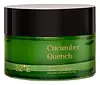
This calming day moisturizer is formulated around Sodium Hyaluronate and Cucumis Sativus Fruit Extract to calm redness and hydrate skin.
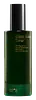
This barrier-repair serum is formulated around Niacinamide and Saccharide Isomerate to strengthen the skin barrier and calm redness.

What's inside
What's inside
 Key Ingredients
Benefits
Concerns
Ingredients Side-by-side
Water
Skin ConditioningHexylene Glycol
EmulsifyingPolysorbate 20
Emulsifying

Propylene Glycol
Humectant

Sodium Hyaluronate
Humectant



Anhydroxylitol
Humectant
Cucumis Sativus Fruit Extract
Emollient
Xylitol
Humectant
Xylitylglucoside
Humectant
Tocopheryl Acetate
Antioxidant


Dimethylsilanol Hyaluronate
Humectant
Silica
Abrasive


Methylsilanol Mannuronate
Skin ConditioningBiosaccharide Gum-1
Humectant
Caesalpinia Spinosa Fruit Pod Extract
Helianthus Annuus Sprout Extract
Skin ConditioningCarbomer
Emulsion StabilisingBis-C16-20 Isoalkoxy Tmhdi/PEG-90 Copolymer
Phenoxyethanol
Preservative
Sodium Polyacryloyldimethyl Taurate
Emulsion StabilisingParfum
Masking


Sodium Gluconate
ChelatingSodium Hydroxide
BufferingHydroxyacetophenone
Antioxidant
Caprylyl Glycol
Emollient
Sodium Benzoate
Masking
Water, Hexylene Glycol, Polysorbate 20, Propylene Glycol, Sodium Hyaluronate, Anhydroxylitol, Cucumis Sativus Fruit Extract, Xylitol, Xylitylglucoside, Tocopheryl Acetate, Dimethylsilanol Hyaluronate, Silica, Methylsilanol Mannuronate, Biosaccharide Gum-1, Caesalpinia Spinosa Fruit Pod Extract, Helianthus Annuus Sprout Extract, Carbomer, Bis-C16-20 Isoalkoxy Tmhdi/PEG-90 Copolymer, Phenoxyethanol, Sodium Polyacryloyldimethyl Taurate, Parfum, Sodium Gluconate, Sodium Hydroxide, Hydroxyacetophenone, Caprylyl Glycol, Sodium Benzoate
Water
Skin ConditioningPropylene Glycol
Humectant
Pentylene Glycol
Skin Conditioning
Hexylene Glycol
EmulsifyingNiacinamide
Smoothing




Glycerin
Humectant
Saccharide Isomerate
Humectant
Madecassoside
Antioxidant
Caffeine
Skin Conditioning
Ribes Nigrum Leaf Extract
Perfuming
Rubus Idaeus Leaf Extract
Skin ConditioningMelissa Officinalis Leaf Extract
Skin ConditioningHordeum Distichon Extract
Skin ProtectingCaesalpinia Spinosa Fruit Pod Extract
Helianthus Annuus Sprout Extract
Skin ConditioningGlucosyl Hesperidin
HumectantMethylsilanol Mannuronate
Skin ConditioningLecithin
Emollient
Sclerotium Gum
Emulsion StabilisingPullulan
Biosaccharide Gum-1
Humectant
Ammonium Acryloyldimethyltaurate/Vp Copolymer
Caprylyl Glycol
Emollient
Benzyl Alcohol
Perfuming

Polyglyceryl-6 Caprylate
EmulsifyingPolyglyceryl-4 Caprate
EmulsifyingSodium Polyacryloyldimethyl Taurate
Emulsion StabilisingXanthan Gum
EmulsifyingParfum
Masking
Phenoxyethanol
Preservative
Sodium Benzoate
Masking
Citric Acid
Buffering
Sodium Citrate
BufferingSorbic Acid
Preservative
Silica
Abrasive
Water, Propylene Glycol, Pentylene Glycol, Hexylene Glycol, Niacinamide, Glycerin, Saccharide Isomerate, Madecassoside, Caffeine, Ribes Nigrum Leaf Extract, Rubus Idaeus Leaf Extract, Melissa Officinalis Leaf Extract, Hordeum Distichon Extract, Caesalpinia Spinosa Fruit Pod Extract, Helianthus Annuus Sprout Extract, Glucosyl Hesperidin, Methylsilanol Mannuronate, Lecithin, Sclerotium Gum, Pullulan, Biosaccharide Gum-1, Ammonium Acryloyldimethyltaurate/Vp Copolymer, Caprylyl Glycol, Benzyl Alcohol, Polyglyceryl-6 Caprylate, Polyglyceryl-4 Caprate, Sodium Polyacryloyldimethyl Taurate, Xanthan Gum, Parfum, Phenoxyethanol, Sodium Benzoate, Citric Acid, Sodium Citrate, Sorbic Acid, Silica
Ingredients Explained
These ingredients are found in both products.
Ingredients higher up in an ingredient list are typically present in a larger amount.
Biosaccharide Gum-1 is a sugar created by fermenting sorbitol (which usually comes from potato starch!). It is known for its soothing and moisturizing properties.
Manufacturer tests show this ingredient helped reduce irritation from lactic acid by almost half and kept skin hydrated long-term as a humectant
Beyond hydration, Biosaccharide Gum-1 gives formulas a silky, non-sticky feel.
This ingredient is gentle, versatile, and suitable for all skin types.
Fun fact: Similar sugars can be found naturally in fruits like apples and pears.
Learn more about Biosaccharide Gum-1We don't have a description for Caesalpinia Spinosa Fruit Pod Extract yet.
Caprylyl Glycol is a humectant, skin conditioner, emollient, and preservative booster derived from either caprylic acid or synthetically created.
Typical use levels vary from 0.3-1% as a preservative booster and go up to 2% to condition skin.
Because it is not a free-fatty acid, this ingredient is fungal acne safe (there's nothing for Malassezia to feed on).
Learn more about Caprylyl GlycolWe don't have a description for Helianthus Annuus Sprout Extract yet.
Hexylene Glycol is a multitasker ingredient that works as a solvent, humectant, emulsifier, viscosity reducer, and preservative booster.
It is able to dissolve both water and oil-soluble ingredients to stabilize tricky actives and make products spread more easily.
As a humectant, it pulls water into the skin. But it's a pretty minor moisturizing ingredient compared to other humectants, like glycerin.
Interestingly, it can act as a mild penetration enhancer. One in vitro study on human skin found a 12% concentration upped the absorption of mometasone furoate (a medicinal ingredient used to treat inflammatory skin conditions) up to 7%.
This ingredient is typically used at levels of 0.1-10% depending on the role it's playing.
A patch test study on eczema patients didn't find a significant increase in irritation versus the control group, but the potential for irritation rises at higher concentrations.
Learn more about Hexylene GlycolWe don't have a description for Methylsilanol Mannuronate yet.
Parfum is a catch-all term for an ingredient or more that is used to give a scent to products.
Also called "fragrance", this ingredient can be a blend of hundreds of chemicals or plant oils. This means every product with "fragrance" or "parfum" in the ingredients list is a different mixture.
For instance, Habanolide is a proprietary trade name for a specific aroma chemical. When used as a fragrance ingredient in cosmetics, most aroma chemicals fall under the broad labeling category of “FRAGRANCE” or “PARFUM” according to EU and US regulations.
The term 'parfum' or 'fragrance' is not regulated in many countries. In many cases, it is up to the brand to define this term.
For instance, many brands choose to label themselves as "fragrance-free" because they are not using synthetic fragrances. However, their products may still contain ingredients such as essential oils that are considered a fragrance by INCI standards.
One example is Calendula flower extract. Calendula is an essential oil that still imparts a scent or 'fragrance'.
Depending on the blend, the ingredients in the mixture can cause allergies and sensitivities on the skin. Some ingredients that are known EU allergens include linalool and citronellol.
Parfum can also be used to mask or cover an unpleasant scent.
The bottom line is: not all fragrances/parfum/ingredients are created equally. If you are worried about fragrances, we recommend taking a closer look at an ingredient. And of course, we always recommend speaking with a professional.
Learn more about ParfumPhenoxyethanol is one of the most widely used preservatives in skincare (and for good reason!).
It has a large spectrum of antimicrobial activity and especially effective bacteria, yeast, and mold while only having a weak effect on your skin's natural microbiome.
On a cellular level, it disrupts the cell membranes of microbes by poking holes that make the cell leak. This shuts down the chemical reactions the microbe needs to make energy so it can no longer survive.
Another perk of this ingredient is that it stays functional across a wide pH range (3-10).
You'll often see it paired with boosters like Ethylhexylglycerin; one study showed that a 1:9 ratio of Ethylhexylglycerin to Phenoxyethanol damages bacterial membranes as effectively as doubling the Phenoxyethanol concentration on its own.
Typical use concentrations range from 0.3-1% depending on the formula, and this ingredient is capped at 1% int the EU.
Safety-wise, the fear mongering does not hold up to the evidence. The EU's Scientific Committee on Consumer Safety and FDA consider it safe as a preservative at up to 1%, including for children of all ages.
Adverse systemic effects only showed up in animal studies at exposures roughly 200x higher than what people get from cosmetics. And despite its very widespread use, this ingredient is a rare sensitizer and allergic reactions are uncommon.
Learn more about PhenoxyethanolPropylene Glycol is a synthetic, colorless, odorless liquid that has been a staple in cosmetics for decades. It is a skin conditioning agent, humectant, and solvent.
As a humectant, it draw water to the skin to reduce flaking and restore suppleness. It's also a solvent that helps dissolve other actives and keeps formulas stable across temperature changes.
The CIR Expert Panel has confirmed this ingredient to be nontoxic and clinical studies show no sensitization at cosmetic use concentrations.
True allergic reactions are quite rare: a 15-year retrospective study of 6,751 patients found only 0.31% had a positive reaction (and less than half were considered clinically relevant).
It seemed that when sensitization does occur, it's most commonly linked to topical medication (like corticosteroids) and not cosmetics. Allergic contact dermatitis also appears largely limited to individuals with underlying skin conditions.
Overall, propylene glycol is a well-studied ingredient that most people can tolerate without issue.
Learn more about Propylene GlycolSilica, also known as silicon dioxide, is a naturally occurring mineral. It is used as a fine, spherical, and porous powder in cosmetics.
Though it has exfoliant properties, the function of silica varies depending on the product.
The unique structure of silica enhances the spreadability and adds smoothness, making it a great texture enhancer.
It is also used as an active carrier, emulsifier, and mattifier due to its ability to absorb excess oil.
In some products, tiny microneedles called spicules are made from silica or hydrolyzed sponge. When you rub them in, they lightly polish away dead skin layers and enhance the penetration of active ingredients.
Learn more about SilicaSodium Benzoate is a preservative. It's used in both cosmetic and food products to inhibit the growth of mold and bacteria. It is typically produced synthetically.
Both the US FDA and EU Health Committee have approved the use of sodium benzoate. In the US, levels of 0.1% (of the total product) are allowed.
Sodium benzoate works as a preservative by inhibiting the growth of bacteria inside of cells. It prevents the cell from fermenting a type of sugar using an enzyme called phosphofructokinase.
It is the salt of benzoic acid. Foods containing sodium benzoate include soda, salad dressings, condiments, fruit juices, wines, and snack foods.
Studies for using ascorbic acid and sodium benzoate in cosmetics are lacking, especially in skincare routines with multiple steps.
We always recommend speaking with a professional, such as a dermatologist, if you have any concerns.
Learn more about Sodium BenzoateThis is a lab-made ingredient that plays a huge role in improving the texture of a formula.
It's used to thicken watery gel-creams, prevent water + oil from separating, and give products a silky, non-greasy glide.
Safety-wise, a panel of independent toxicologists reviewed this ingredient and concluded it to be safe in cosmetics in the present practices of use and concentration.
A separate sensitization patch test on humans also showed no evidence of allergic reactivity, and a true allergy to this ingredient is considered rare.
Typical usage levels range from 0.015%-3% in leave-on products and 0.078%-3.2% in rinse-off products.
Learn more about Sodium Polyacryloyldimethyl TaurateWater. It's the most common cosmetic ingredient of all. You'll usually see it at the top of ingredient lists, meaning that it makes up the largest part of the product.
So why is it so popular? Water most often acts as a solvent - this means that it helps dissolve other ingredients into the formulation.
You'll also recognize water as that liquid we all need to stay alive. If you see this, drink a glass of water. Remember to stay hydrated!
Learn more about Water

