This chemical sunscreen covers the full UV range and blocks ~98% of UVB at SPF 50.
This hybrid sunscreen covers the full UV range and blocks ~98% of UVB at SPF 50.


What's inside
What's inside
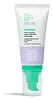 Key Ingredients
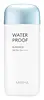
Benefits
Concerns
Ingredients Side-by-side
Water
Skin ConditioningDicaprylyl Carbonate
EmollientEthylhexyl Methoxycinnamate
UV Absorber


Propanediol
Solvent

Dibutyl Adipate
EmollientButyl Methoxydibenzoylmethane
UV Absorber
Ethylhexyl Triazone
UV Absorber
Bis-Ethylhexyloxyphenol Methoxyphenyl Triazine
Skin Conditioning
C20-22 Alkyl Phosphate
EmulsifyingC20-22 Alcohols
Emulsion Stabilising
Benzotriazolyl Dodecyl P-Cresol
UV AbsorberPolyacrylate Crosspolymer-6
Emulsion StabilisingCaprylyl/Capryl Glucoside
Cleansing1,2-Hexanediol
Skin Conditioning
Panthenol
Skin Conditioning


Allantoin
Skin Conditioning
Parfum
Masking



Physalis Angulata Extract
Skin ProtectingTocopheryl Acetate
Antioxidant


Xanthan Gum
EmulsifyingCaprylic/Capric Triglyceride
Masking
Disodium EDTA
Sodium Hydroxide
BufferingO-Cymen-5-Ol
Antimicrobial
Sodium Hyaluronate
Humectant

BHT
Antioxidant
Tocopherol
Antioxidant
Pantolactone
Humectant
CI 19140
Cosmetic ColorantCI 42090
Cosmetic ColorantWater, Dicaprylyl Carbonate, Ethylhexyl Methoxycinnamate, Propanediol, Dibutyl Adipate, Butyl Methoxydibenzoylmethane, Ethylhexyl Triazone, Bis-Ethylhexyloxyphenol Methoxyphenyl Triazine, C20-22 Alkyl Phosphate, C20-22 Alcohols, Benzotriazolyl Dodecyl P-Cresol, Polyacrylate Crosspolymer-6, Caprylyl/Capryl Glucoside, 1,2-Hexanediol, Panthenol, Allantoin, Parfum, Physalis Angulata Extract, Tocopheryl Acetate, Xanthan Gum, Caprylic/Capric Triglyceride, Disodium EDTA, Sodium Hydroxide, O-Cymen-5-Ol, Sodium Hyaluronate, BHT, Tocopherol, Pantolactone, CI 19140, CI 42090
Hydrolyzed Chestnut Extract
Skin ProtectingCyclopentasiloxane
Emollient
Homosalate
Skin Conditioning
Silica
Abrasive


Ethylhexyl Salicylate
UV Absorber
Titanium Dioxide
Cosmetic Colorant
Lauryl PEG-10 Tris(Trimethylsiloxy)Silylethyl Dimethicone
Emulsifying
Diethylamino Hydroxybenzoyl Hexyl Benzoate
UV Filter
Glycerin
Humectant
C12-15 Alkyl Benzoate
AntimicrobialAlcohol Denat.
Antimicrobial

Bis-Ethylhexyloxyphenol Methoxyphenyl Triazine
Skin Conditioning
Isopropyl Palmitate
Emollient


Aloe Barbadensis Leaf Extract
Emollient
Psidium Guajava Leaf Extract
AstringentVerbena Officinalis Leaf Extract
MaskingSmilax China Bark Extract
Skin ConditioningUlmus Davidiana Root Extract
Skin Conditioning
Eucalyptus Alba Leaf Extract
Skin ConditioningWater
Skin ConditioningButylene Glycol
Humectant
Dimethicone
Emollient
Magnesium Sulfate
Aluminum Hydroxide
EmollientStearic Acid
Cleansing
Quaternium-18 Bentonite
PEG-10 Dimethicone
Skin Conditioning
Dimethicone/Vinyl Dimethicone Crosspolymer
Skin Conditioning
Triethoxycaprylylsilane
Acrylates/Dimethicone Copolymer
Skin Conditioning
Silica Dimethyl Silylate
EmollientSodium Benzoate
Masking
Tocopheryl Acetate
Antioxidant
Potassium Sorbate
Preservative
Vp/Hexadecene Copolymer
Vp/Va Copolymer
Disodium EDTA
Phenoxyethanol
Preservative
Linalool
Perfuming
Benzyl Salicylate
Perfuming
Limonene
Perfuming
Geraniol
Perfuming
Hexyl Cinnamal
Perfuming
Hydrolyzed Chestnut Extract, Cyclopentasiloxane, Homosalate, Silica, Ethylhexyl Salicylate, Titanium Dioxide, Lauryl PEG-10 Tris(Trimethylsiloxy)Silylethyl Dimethicone, Diethylamino Hydroxybenzoyl Hexyl Benzoate, Glycerin, C12-15 Alkyl Benzoate, Alcohol Denat., Bis-Ethylhexyloxyphenol Methoxyphenyl Triazine, Isopropyl Palmitate, Aloe Barbadensis Leaf Extract, Psidium Guajava Leaf Extract, Verbena Officinalis Leaf Extract, Smilax China Bark Extract, Ulmus Davidiana Root Extract, Eucalyptus Alba Leaf Extract, Water, Butylene Glycol, Dimethicone, Magnesium Sulfate, Aluminum Hydroxide, Stearic Acid, Quaternium-18 Bentonite, PEG-10 Dimethicone, Dimethicone/Vinyl Dimethicone Crosspolymer, Triethoxycaprylylsilane, Acrylates/Dimethicone Copolymer, Silica Dimethyl Silylate, Sodium Benzoate, Tocopheryl Acetate, Potassium Sorbate, Vp/Hexadecene Copolymer, Vp/Va Copolymer, Disodium EDTA, Phenoxyethanol, Linalool, Benzyl Salicylate, Limonene, Geraniol, Hexyl Cinnamal
Ingredients Explained
These ingredients are found in both products.
Ingredients higher up in an ingredient list are typically present in a larger amount.
This ingredient is better known as bemotrizinol or Tinosorb S and is one of the best broad-spectrum UV filters in modern sunscreen.
It works by absorbing UV light across a whole range (280-400 nm) with peaks around 310 nm (UVB) and 340-345 nm (UVA). This means it covers UVB plus the deeper UVA wavelengths that drive photoaging and pigmentation.
Another pro?
It's exceptionally photostable, barely degrades in sunlight, and acts as a "bodyguard" for less stable filters.
That's why you'll see it paired with avobenzone or octinoxate; this team up ensures they keep working through sun exposure.
Safety reviews have been reassuring across the board. This ingredient shows low absorption through the skin, rarely irritates, and lab studies found it doesn't act like a hormone in the body (a concern that's been raised about some older sunscreen filters).
On maximum concentrations:
In 2026, the US F.D.A finally added it as an OTC sunscreen ingredient at concentrations up to 6% for adults / children 6 months and older
Learn more about Bis-Ethylhexyloxyphenol Methoxyphenyl TriazineDisodium EDTA is a chelating agent. It grabs onto and deactivates metal ions that sneak into your products from water, packaging, or air.
This ingredient mainly works behind the scenes and helps with:
On top of that, this ingredient can counteract the effects of hard water by binding to the minerals in it.
One thing worth knowing is that Disodium EDTA has been shown to be a mild penetration enhancer. It can help other ingredients absorb into skin more effectively which can be a double-edged sword (great for actives, but can also make the active too strong if you have sensitive skin).
Clinical patch testing showed no significant skin irritation at typical use concentrations and minimal dermal absorption.
You'll most likely see this ingredient near the end of an ingredient list. It's typically found in concentrations less than 1%.
Learn more about Disodium EDTATocopheryl Acetate is a stable, shelf-friendly form of vitamin E.
Formulators love it because plain vitamin E oxidizes quickly once it hits air. This acetate version stays stable and resists going off, helping to extend a product's shelf life.
It's actually inactive on its own and works like a slow-release "storage" form; the enzymes in your skin called esterases gradually convert it into active vitamin E over time.
One in vivo study showed 5% of the acetate in the living layer of the epidermis converted to vitamin E after 5 days of application. This study also found the skin gained protection against UV damage even though the conversion was slow and small.
Once converted, vitamin E acts as a skin's main fat-soluble antioxidant that fights free radicals to protect skin from damage.
Topical vitamin E generally boosts the skin's photoprotection, and it reduced UV-damage in animal models.
This ingredient has some brightening potential but it's more of a prevention ingredient than spot-fader. Cell studies show it can slow down melanin production but it's worth noting that it's not the most powerful brightener out there.
Overall, it has a pretty solid safety profile and has been found to be non-irritating and non-comedogenic. Allergic reactions may happen but stay rare due to how widely the ingredient gets used.
The concentration will vary depending on the formula; industry data shows 0.1% in baby lotions, 3% in lipsticks, and 5% in foot powders. You can also find this ingredient at 100% in a pure vitamin E oil.
Most leave-on skincare keeps it at the lower end, often between 0.5-1%.
Learn more about Tocopheryl AcetateWater. It's the most common cosmetic ingredient of all. You'll usually see it at the top of ingredient lists, meaning that it makes up the largest part of the product.
So why is it so popular? Water most often acts as a solvent - this means that it helps dissolve other ingredients into the formulation.
You'll also recognize water as that liquid we all need to stay alive. If you see this, drink a glass of water. Remember to stay hydrated!
Learn more about Water

