
What's inside
What's inside
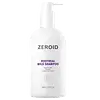 Key Ingredients
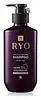
No key ingredients
Benefits
Concerns
Ingredients Side-by-side
Water
Skin ConditioningLauryl Hydroxysultaine
CleansingDisodium Lauryl Sulfosuccinate
CleansingSodium Chloride
MaskingSodium Lauryl Glucose Carboxylate
CleansingLauryl Glucoside
CleansingPotassium Cocoyl Glutamate
Surfactant
Glycerin
Humectant


Panthenol
Skin Conditioning

Biotin
AntiseborrhoeicBis-Oleamido Isopropyl Alcohol
Emulsion StabilisingTrihydroxystearin
Skin Conditioning

Guar Hydroxypropyltrimonium Chloride
Skin ConditioningPolyquaternium-22
Acrylamidopropyltrimonium Chloride/Acrylamide Copolymer
Sodium Phytate
ChelatingCitric Acid
Buffering

Sodium Citrate
BufferingHexylene Glycol
EmulsifyingSodium Anisate
Antimicrobial1,2-Hexanediol
Skin Conditioning
Water, Lauryl Hydroxysultaine, Disodium Lauryl Sulfosuccinate, Sodium Chloride, Sodium Lauryl Glucose Carboxylate, Lauryl Glucoside, Potassium Cocoyl Glutamate, Glycerin, Panthenol, Biotin, Bis-Oleamido Isopropyl Alcohol, Trihydroxystearin, Guar Hydroxypropyltrimonium Chloride, Polyquaternium-22, Acrylamidopropyltrimonium Chloride/Acrylamide Copolymer, Sodium Phytate, Citric Acid, Sodium Citrate, Hexylene Glycol, Sodium Anisate, 1,2-Hexanediol
Water
Skin ConditioningSodium Laureth Sulfate
Cleansing



Ammonium Lauryl Sulfate
Cleansing
Glycerin
Humectant
Cocamide Mea
Emulsifying
Parfum
Masking

Disodium Laureth Sulfosuccinate
CleansingLauryl Hydroxysultaine
CleansingCaffeine
Skin Conditioning
PPG-3 Caprylyl Ether
Foam BoostingAlcohol Denat.
Antimicrobial
Phenoxyethanol
Preservative
Sodium Benzoate
Masking
Cetyl Alcohol
Emollient
Menthol
Masking
Guar Hydroxypropyltrimonium Chloride
Skin ConditioningCitric Acid
Buffering
Sodium Salicylate
Preservative
Caprylic/Capric Triglyceride
Masking
Trihydroxystearin
Skin Conditioning
Sodium Citrate
BufferingDicaprylyl Ether
Emollient
Tetrasodium EDTA
ChelatingButylene Glycol
Humectant
Malt Extract
Skin ProtectingDisodium EDTA
ChelatingLinalool
Perfuming
PEG-45m
HumectantGlyceryl Stearate
Emollient
Mentha Arvensis Leaf Extract
MaskingBenzyl Salicylate
Perfuming
Hexyl Cinnamal
Perfuming
Benzyl Benzoate
Antimicrobial
Geraniol
Perfuming
Alpha-Isomethyl Ionone
Perfuming
Hydrolyzed Corn Starch
HumectantCaprylyl Glycol
Emollient
Pinus Densiflora Leaf Extract
Antimicrobial
1,2-Hexanediol
Skin Conditioning
Dehydroacetic Acid
Preservative
Panax Ginseng Extract
Antioxidant
Panax Ginseng Root Extract
Emollient
Silica
Abrasive

Zingiber Officinale Root Extract
Masking
Ethylhexylglycerin
Skin ConditioningTocopherol
Antioxidant

Oryza Sativa Extract
Absorbent
Imperata Cylindrica Root Extract
Skin ConditioningScutellaria Baicalensis Root Extract
Astringent
Sesamum Indicum Seed Extract
Skin Conditioning
Lonicera Japonica Flower Extract
Skin ConditioningCalendula Officinalis Flower Extract
Masking
Tribulus Terrestris Fruit Extract
Skin ConditioningCamellia Japonica Seed Oil
Emollient
Camellia Sinensis Seed Oil
Humectant
PEG-150 Pentaerythrityl Tetrastearate
Emulsifying
PPG-2 Hydroxyethyl Cocamide
Emulsifying
Polygonum Multiflorum Root Extract
Skin ConditioningWater, Sodium Laureth Sulfate, Ammonium Lauryl Sulfate, Glycerin, Cocamide Mea, Parfum, Disodium Laureth Sulfosuccinate, Lauryl Hydroxysultaine, Caffeine, PPG-3 Caprylyl Ether, Alcohol Denat., Phenoxyethanol, Sodium Benzoate, Cetyl Alcohol, Menthol, Guar Hydroxypropyltrimonium Chloride, Citric Acid, Sodium Salicylate, Caprylic/Capric Triglyceride, Trihydroxystearin, Sodium Citrate, Dicaprylyl Ether, Tetrasodium EDTA, Butylene Glycol, Malt Extract, Disodium EDTA, Linalool, PEG-45m, Glyceryl Stearate, Mentha Arvensis Leaf Extract, Benzyl Salicylate, Hexyl Cinnamal, Benzyl Benzoate, Geraniol, Alpha-Isomethyl Ionone, Hydrolyzed Corn Starch, Caprylyl Glycol, Pinus Densiflora Leaf Extract, 1,2-Hexanediol, Dehydroacetic Acid, Panax Ginseng Extract, Panax Ginseng Root Extract, Silica, Zingiber Officinale Root Extract, Ethylhexylglycerin, Tocopherol, Oryza Sativa Extract, Imperata Cylindrica Root Extract, Scutellaria Baicalensis Root Extract, Sesamum Indicum Seed Extract, Lonicera Japonica Flower Extract, Calendula Officinalis Flower Extract, Tribulus Terrestris Fruit Extract, Camellia Japonica Seed Oil, Camellia Sinensis Seed Oil, PEG-150 Pentaerythrityl Tetrastearate, PPG-2 Hydroxyethyl Cocamide, Polygonum Multiflorum Root Extract
Reviews
Ingredients Explained
These ingredients are found in both products.
Ingredients higher up in an ingredient list are typically present in a larger amount.
1,2-Hexanediol is a synthetic liquid and another multi-functional powerhouse.
It is a:
- Humectant, drawing moisture into the skin
- Emollient, helping to soften skin
- Solvent, dispersing and stabilizing formulas
- Preservative booster, enhancing the antimicrobial activity of other preservatives
Citric Acid is an alpha hydroxy acid (AHA) naturally found in citrus fruits like oranges, lemons, and limes.
Like other AHAs, citric acid can exfoliate skin by breaking down the bonds that hold dead skin cells together. This helps reveal smoother and brighter skin underneath.
However, this exfoliating effect only happens at high concentrations (20%) which can be hard to find in cosmetic products.
Due to this, citric acid is usually included in small amounts as a pH adjuster. This helps keep products slightly more acidic and compatible with skin's natural pH.
In skincare formulas, citric acid can:
While it can provide some skin benefits, research shows lactic acid and glycolic acid are generally more effective and less irritating exfoliants.
Most citric acid used in skincare today is made by fermenting sugars (usually from molasses). This synthetic version is identical to the natural citrus form but easier to stabilize and use in formulations.
Rosacea skin has a lower threshold for acids generally, with 62.5% of rosacea subjects in one study reacting to lactic acid in a sting test. This is why we mark citric acid as a potential rosacea trigger.
However, this ingredient shows up as a pH adjuster or chelator at roughly 0.1-1% in many products. These low levels are unlikely to be an issue for rosacea skin and becomes a potential trigger at exfoliating concentrations (20%). Because everybody's skin is unique, we recommend a patch test if you are unsure.
Learn more about Citric AcidGlycerin (or glycerol) is a compound naturally found in your skin. It's a powerhouse humectant that pulls water into the stratum corneum.
Topically, glycerin does several things at once:
Your skin makes glycerin on its own (mostly from sebaceous oil breakdown) and shuttles it to your outermost layer of skin, or your epidermis, via aquaporin-3.
Aquaporin-3 is a transporter that is essential for normal skin hydration, elasticity, and repair. Interestingly, mice lacking in AQP3 have dry and less elastic skin that can be fully corrected with glycerin.
This ingredient is non-irritating, plays well with almost every ingredient, and works across all skin types. Typical use is anywhere between 3-10% but can go up to 79% in some leave-on products.
Just know very high concentrations (>40%) can feel tacky in low humidity.
Glycerin is the name for this ingredient in American English. British English uses Glycerol/Glycerine.
Learn more about GlycerinThis ingredient is derived from guar gum. It is a skin conditioning agent that creates a thin, breathable film to reduce water loss during cleansing.
This leaves the skin feeling soft rather than stripped and also contributes to a creamier lather.
Due to the large molecule size, this ingredient is unlikely to penetrate skin.
Learn more about Guar Hydroxypropyltrimonium ChlorideLauryl Hydroxysultaine is a mild surfactant or cleansing ingredient that helps lift away dirt/oil, boost foam, and thicken the formula. It plays nicely with other surfactants and stays stable across a wide pH range.
Sodium Citrate is the sodium salts of citric acid. In skincare, it is used to alter pH levels and acts as a preservative.
Its main functions are to maintain the pH of a product and neutralize metal ions.
The acidity of our skin is maintained by our glands and skin biome; normal pH level of skin is slightly acidic (~4.75-5.5).
Being slightly acidic allows our skin to create an "acid mantle". This acid mantle is a thin barrier that protects our skin from bacteria and contaminants.
Learn more about Sodium CitrateTrihydroxystearin is what you get when you fully hydrogenate castor oil into a waxy, fine powder.
It's mostly a behind-the-scenes texture enhancer that's especially good at "thixotropic" thing where the product stays thick but applies nicely.
Because of its structure, it also acts as a mild skin conditioning emollient that helps soften skin while preventing moisture loss.
Safety studies show it to be safe and non-irritation in clinical tests. It's typically used in concentrations up to 5%.
Since its an ester of a C18 fatty acid, it falls into the C11-24 range that Malassezia can potentially feed on. This makes it not fungal-acne safe.
Learn more about TrihydroxystearinWater. It's the most common cosmetic ingredient of all. You'll usually see it at the top of ingredient lists, meaning that it makes up the largest part of the product.
So why is it so popular? Water most often acts as a solvent - this means that it helps dissolve other ingredients into the formulation.
You'll also recognize water as that liquid we all need to stay alive. If you see this, drink a glass of water. Remember to stay hydrated!
Learn more about Water

