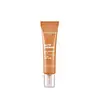
This eye moisturizer is formulated around Macadamia Ternifolia Seed Oil and Caffeine to hydrate skin.

What's inside
What's inside
 Key Ingredients
Benefits
Concerns
Ingredients Side-by-side
Water
Skin ConditioningGlycerin
Humectant


Coco-Caprylate/Caprate
Emollient
Macadamia Ternifolia Seed Oil
Emollient


Pentylene Glycol
Skin Conditioning
Ricinus Communis Seed Oil
Masking
Mica
Cosmetic ColorantHydroxyethyl Acrylate/Sodium Acryloyldimethyl Taurate Copolymer
Emulsion StabilisingButyrospermum Parkii Butter
Skin Conditioning


C10-18 Triglycerides
Emollient
Caffeine
Skin Conditioning

Glyceryl Stearate
Emollient
Tropaeolum Majus Flower/Leaf/Stem Extract
Skin ConditioningPropanediol
Solvent
CI 77891
Cosmetic ColorantHydroxyacetophenone
Antioxidant
Potassium Cetyl Phosphate
EmulsifyingBetaine
Humectant
1,2-Hexanediol
Skin Conditioning
Caprylyl Glycol
Emollient
Xanthan Gum
EmulsifyingCI 77491
Cosmetic ColorantSorbitan Isostearate
Emulsifying
Maris Aqua
HumectantSodium Hyaluronate
Humectant

Trisodium Ethylenediamine Disuccinate
ChelatingTocopherol
Antioxidant


Chenopodium Quinoa Seed Extract
Skin Conditioning
Aloe Barbadensis Leaf Juice Powder
Skin Conditioning
Helianthus Annuus Seed Oil
Emollient
Citric Acid
Buffering
Aphloia Theiformis Leaf Extract
AstringentHyaluronic Acid
Humectant
Sodium Benzoate
Masking
Potassium Sorbate
Preservative
Tetraselmis Suecica Extract
Skin ConditioningWater, Glycerin, Coco-Caprylate/Caprate, Macadamia Ternifolia Seed Oil, Pentylene Glycol, Ricinus Communis Seed Oil, Mica, Hydroxyethyl Acrylate/Sodium Acryloyldimethyl Taurate Copolymer, Butyrospermum Parkii Butter, C10-18 Triglycerides, Caffeine, Glyceryl Stearate, Tropaeolum Majus Flower/Leaf/Stem Extract, Propanediol, CI 77891, Hydroxyacetophenone, Potassium Cetyl Phosphate, Betaine, 1,2-Hexanediol, Caprylyl Glycol, Xanthan Gum, CI 77491, Sorbitan Isostearate, Maris Aqua, Sodium Hyaluronate, Trisodium Ethylenediamine Disuccinate, Tocopherol, Chenopodium Quinoa Seed Extract, Aloe Barbadensis Leaf Juice Powder, Helianthus Annuus Seed Oil, Citric Acid, Aphloia Theiformis Leaf Extract, Hyaluronic Acid, Sodium Benzoate, Potassium Sorbate, Tetraselmis Suecica Extract
Water
Skin ConditioningGlycerin
Humectant
Betaine
Humectant
Coco-Caprylate/Caprate
Emollient
Caprylic/Capric Triglyceride
Masking
Diglycerin
Humectant
Isononyl Isononanoate
EmollientLimnanthes Alba Seed Oil
Skin Conditioning
1,2-Hexanediol
Skin Conditioning
Camellia Japonica Flower Water
Skin ConditioningCamellia Japonica Flower Extract
EmollientHydrolyzed Rhodophyceae Extract
Faex
Skin ConditioningZingiber Officinale Root Extract
Masking
Castor Oil/Ipdi Copolymer
Butylene Glycol
Humectant
Acrylates/C10-30 Alkyl Acrylate Crosspolymer
Emulsion StabilisingAlumina
Abrasive
Chlorphenesin
Antimicrobial
Caprylyl Glycol
Emollient
Tamarindus Indica Seed Gum
Emulsion Stabilising
Sodium Hyaluronate
Humectant
Sodium Hydroxide
BufferingDipropylene Glycol
HumectantCamellia Oleifera Seed Oil
Skin Conditioning
Trisodium Ethylenediamine Disuccinate
ChelatingAstragalus Gummifer Gum
Emulsion StabilisingPentylene Glycol
Skin Conditioning
Tin Oxide
Abrasive
Tocopherol
Antioxidant
Ricinus Communis Seed Oil
Masking
Acetyl Tetrapeptide-5
Humectant
Helianthus Annuus Seed Oil
Emollient
CI 40800
Cosmetic ColorantCI 42090
Cosmetic ColorantCI 77891
Cosmetic ColorantMica
Cosmetic ColorantWater, Glycerin, Betaine, Coco-Caprylate/Caprate, Caprylic/Capric Triglyceride, Diglycerin, Isononyl Isononanoate, Limnanthes Alba Seed Oil, 1,2-Hexanediol, Camellia Japonica Flower Water, Camellia Japonica Flower Extract, Hydrolyzed Rhodophyceae Extract, Faex, Zingiber Officinale Root Extract, Castor Oil/Ipdi Copolymer, Butylene Glycol, Acrylates/C10-30 Alkyl Acrylate Crosspolymer, Alumina, Chlorphenesin, Caprylyl Glycol, Tamarindus Indica Seed Gum, Sodium Hyaluronate, Sodium Hydroxide, Dipropylene Glycol, Camellia Oleifera Seed Oil, Trisodium Ethylenediamine Disuccinate, Astragalus Gummifer Gum, Pentylene Glycol, Tin Oxide, Tocopherol, Ricinus Communis Seed Oil, Acetyl Tetrapeptide-5, Helianthus Annuus Seed Oil, CI 40800, CI 42090, CI 77891, Mica
Reviews
Ingredients Explained
These ingredients are found in both products.
Ingredients higher up in an ingredient list are typically present in a larger amount.
1,2-Hexanediol is a synthetic liquid and another multi-functional powerhouse.
It is a:
- Humectant, drawing moisture into the skin
- Emollient, helping to soften skin
- Solvent, dispersing and stabilizing formulas
- Preservative booster, enhancing the antimicrobial activity of other preservatives
Betaine is a humectant. Like hyaluronic acid, it helps attract and retain moisture in the skin. It’s known for being gentle and for helping the skin maintain balanced hydration.
Betaine is mainly used to improve hydration and support calmer skin. It helps skin cells regulate water balance because it functions as an osmolyte.
Some studies suggest betaine may support making skin tone more even.
Fun fact: Betaine naturally exists in the skin and the body. In cosmetic products, it can be either plant-derived (most commonly from sugar beets) or synthetically produced for consistency and stability.
Betaine is also known as trimethylglycine.
Learn more about BetaineCaprylyl Glycol is a humectant, skin conditioner, emollient, and preservative booster derived from either caprylic acid or synthetically created.
Typical use levels vary from 0.3-1% as a preservative booster and go up to 2% to condition skin.
Because it is not a free-fatty acid, this ingredient is fungal acne safe (there's nothing for Malassezia to feed on).
Learn more about Caprylyl GlycolCi 77891 is a white pigment from Titanium dioxide. It is naturally found in minerals such as rutile and ilmenite.
It's main function is to add a white color to cosmetics. It can also be mixed with other colors to create different shades.
Ci 77891 is commonly found in sunscreens due to its ability to block UV rays.
Learn more about CI 77891Coco-Caprylate/Caprate is a lightweight ester created from coconut oil fatty acids, caprylic acid, and capric acid.
It is an emollient that helps soften skin and reduce transepidermal water loss (TEWL). What sets it apart from heavier emollients is its ultralight, non-greasy feel.
Once applied, this ingredient dries down quickly and leaves a dry, silky finish behind. This also helps improve spreadability and texture.
This ingredient has an excellent safety-record and is non-irritating.
Typical concentrations for cosmetics range from 0.5-62%.
Research on Malassezia growth found no growth on fatty acid esters with chain lengths shorter than 12 carbons (it prefers C11-24).
Since Coco-Caprylate/Caprate is built on C8 and C10 fatty acids, it is out of the range that Malassezia metabolizes, and therefore safe for fungal acne.
Learn more about Coco-Caprylate/CaprateGlycerin (or glycerol) is a compound naturally found in your skin. It's a powerhouse humectant that pulls water into the stratum corneum.
Topically, glycerin does several things at once:
Your skin makes glycerin on its own (mostly from sebaceous oil breakdown) and shuttles it to your outermost layer of skin, or your epidermis, via aquaporin-3.
Aquaporin-3 is a transporter that is essential for normal skin hydration, elasticity, and repair. Interestingly, mice lacking in AQP3 have dry and less elastic skin that can be fully corrected with glycerin.
This ingredient is non-irritating, plays well with almost every ingredient, and works across all skin types. Typical use is anywhere between 3-10% but can go up to 79% in some leave-on products.
Just know very high concentrations (>40%) can feel tacky in low humidity.
Glycerin is the name for this ingredient in American English. British English uses Glycerol/Glycerine.
Learn more about GlycerinHelianthus Annuus Seed Oil is a plant oil derived from the seeds of a sunflower.
It is rich in fatty acids, primarily linoleic acid and oleic acid. This gives it emollient and skin conditioning properties.
The reason this ingredient is so effective is because it forms a thin film on the skin that reduces transepidermal water loss (TEWL) while supplying linoleic acid to the stratum corneum to improve barrier strength.
The high linoleic acid content is particularly noteworthy for acne-prone skin.
Research suggests that acne-prone skin tends to be deficient in linoleic acid in sebum. Topical application may help replenish this to support a healthier follicular environment and less comedone-promoting sebum.
One randomized study found sunflower seed oil preserved skin barrier integrity in adult volunteers with and without atopic dermatitis (outperforming olive oil).
This ingredient is well-studied, gentle, and an effective emollient suitable for most skin types.
On fungal acne: This ingredient may not be Fungal acne (Malassezia folliculitis) safe. This is because it contains fatty acids with carbon chain lengths in the C11-C24 range.
Learn more about Helianthus Annuus Seed OilMica is a naturally occurring mineral used to add shimmer and color in cosmetics. It can also help improve the texture of a product or give it an opaque, white/silver color.
Serecite is the name for very fine but ragged grains of mica.
This ingredient is often coated with metal oxides like titanium dioxide. Trace amounts of heavy metals may be found in mica, but these metals are not harmful in our personal products.
Mica has been used since prehistoric times throughout the world. Ancient Egyptian, Indian, Greek, Roman, Aztec, and Chinese civilizations have used mica.
Learn more about MicaPentylene Glycol (1,2-pentanediol) is a multitasking little diol with three main roles in a formula:
Research on alkanediols (the family pentylene glycol belongs to) show they work by disrupting microbial cell membranes. This disruption helps the primary preservative system in a product work more effectively at lower doses.
On the safety side, the Cosmetic Ingredient Review Expert Panel has concluded this ingredient to be safe as used in current cosmetic practices + concentrations.
Typical use levels in a formula run about 1-5%.
Learn more about Pentylene GlycolThis ingredient is also known as castor oil. It is a skin conditioning ingredient.
The star component of castor oil is ricinoleic acid, an unusual fatty acid that makes up ~80-92% of its composition.
In skincare, it is an emollient that dries down to a solid film with water-binding properties. This helps keep skin hydrated and helps reduce transepidermal water loss (TEWL).
A 2026 dermatology review pulls together its broader uses:
Human clinical testing found this ingredient to be non-irritating and non-sensitizing.
Because castor oil contains fatty acids in the C11-24 range, this ingredient may not be fungal acne safe.
At this time, the literature does not support castor oil in regrowing hair. A 2022 systematic review found no strong evidence that it supports hair growth and only weak evidence that it improves hair shine.
Castor oil itself carries "perfuming" and "masking" function tags according to the official CosIng database. This is because of its mild odor and odor-dampening properties.
Learn more about Ricinus Communis Seed OilSodium Hyaluronate is the salt form of hyaluronic acid. It is a long sugar chain that is naturally found in your skin, joints, and connective tissue that maintains hydration and elasticity.
In skincare, it works as a humectant. It pulls water from the environment and deeper layers of skin and binds it to the surface.
Interestingly, the size of the molecule affects its behavior:
Some clinical evidence links low molecular weight versions to improved wrinkle depth, elasticity, anti-inflammatory effects, and barrier repair.
Many serums use a blend of both weights so you can get surface hydration plus longer-lasting and deeper effects.
You'll typically see concentrations between 0.1-2% for this ingredient.
Learn more about Sodium HyaluronateTocopherol is a fat-soluble antioxidant known as Vitamin E.
You'll find this ingredient in the vast majority of skincare (for good reason). It works to neutralize free radicals, or unstable molecules generated by UV exposure, pollution, and other environmental stressors, before they can cause oxidative damage to your skin cells.
Topically applied tocopherol has been shown to protect against UV damage by ramping up the skin's own natural defense enzymes.
It also acts as a skin conditioning agent; some studies show that regular topical use can improve the skin's water-binding capacity over 2-4 weeks.
This ingredient is especially loved for being a team player. When combined with Vitamin C, the photoprotective effect of both ingredients roughly doubles and the combo also helps reduce UV-induced DNA damage.
This ingredient has some brightening potential but it's more of a prevention ingredient than spot-fader. Cell studies show it can slow down melanin production but it's worth noting that it's not the most powerful brightener out there.
In formulations, it also serves as a stabilizer that helps protect other oxidation-prone ingredients from degrading.
Concentrations usually range from 0.1-1% in most leave-on products.
Learn more about TocopherolTrisodium Ethylenediamine Disuccinate is used to help stabilize a product.
It is a chelating agent, meaning it helps prevent metal ions from binding to other ingredients. This prevents unwanted reactions in products. Metal ions can come into a product via the water ingredient. They are found in trace amounts and are not known to be harmful.
Water. It's the most common cosmetic ingredient of all. You'll usually see it at the top of ingredient lists, meaning that it makes up the largest part of the product.
So why is it so popular? Water most often acts as a solvent - this means that it helps dissolve other ingredients into the formulation.
You'll also recognize water as that liquid we all need to stay alive. If you see this, drink a glass of water. Remember to stay hydrated!
Learn more about Water

