

What's inside
What's inside
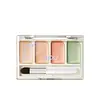 Key Ingredients
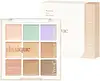
Benefits
Concerns
Ingredients Side-by-side
Hydrogenated Polydecene
EmollientEthylhexyl Palmitate
Emollient




Silica
Abrasive


Mica
Cosmetic ColorantPolyisobutene
Ozokerite
Emulsion StabilisingDimethicone
Emollient

Polyethylene
Abrasive
Microcrystalline Wax
Emulsion StabilisingDimethicone Crosspolymer
Emulsion Stabilising
PEG-30 Dipolyhydroxystearate
Emulsifying
Phenoxyethanol
Preservative
Parfum
Masking


Ceramide EOP
Skin Conditioning





Ethylhexylglycerin
Skin ConditioningCentella Asiatica Extract
Cleansing
CI 77891
Cosmetic ColorantCI 77492
Cosmetic ColorantCI 77491
Cosmetic ColorantCI 19140
Cosmetic ColorantCI 77499
Cosmetic ColorantCI 42090
Cosmetic ColorantHydrogenated Polydecene, Ethylhexyl Palmitate, Silica, Mica, Polyisobutene, Ozokerite, Dimethicone, Polyethylene, Microcrystalline Wax, Dimethicone Crosspolymer, PEG-30 Dipolyhydroxystearate, Phenoxyethanol, Parfum, Ceramide EOP, Ethylhexylglycerin, Centella Asiatica Extract, CI 77891, CI 77492, CI 77491, CI 19140, CI 77499, CI 42090
Caprylic/Capric Triglyceride
Masking
Polyisobutene
Bis-Diglyceryl Polyacyladipate-2
Emollient
Mica
Cosmetic ColorantIsodecyl Neopentanoate
EmollientDiisostearyl Malate
EmollientHydrogenated Castor Oil
Emollient
Paraffin
Skin Conditioning
Methyl Methacrylate Crosspolymer
1,2-Hexanediol
Skin Conditioning
Aluminum Hydroxide
EmollientSorbitan Sesquioleate
Emulsifying
Microcrystalline Wax
Emulsion StabilisingMethicone
Emollient
Caprylyl Glycol
Emollient
Squalane
Emollient
Water
Skin ConditioningPanthenol
Skin Conditioning
Hydrogenated Lecithin
Emulsifying
Butylene Glycol
Humectant
Cetearyl Alcohol
Emollient
Stearic Acid
Cleansing
Melaleuca Alternifolia Leaf Extract
Perfuming
Centella Asiatica Extract
Cleansing
Ceramide NP
Skin Conditioning
Ceramide Ns
Skin Conditioning
Cholesterol
Emollient
Phytosphingosine
Skin Conditioning
Ceramide As
Skin Conditioning
Ceramide AP
Skin Conditioning
Ceramide EOP
Skin Conditioning
CI 77891
Cosmetic ColorantCI 77492
Cosmetic ColorantCI 77491
Cosmetic ColorantCI 77499
Cosmetic ColorantCI 77288
Cosmetic ColorantHydrogenated Polyisobutene
EmollientPolyglyceryl-2 Triisostearate
Emulsifying
Vp/Hexadecene Copolymer
Dipentaerythrityl Hexahydroxystearate/Hexastearate/Hexarosinate
Skin ConditioningEuphorbia Cerifera Wax
Phytosteryl/Isostearyl/Cetyl/Stearyl/Behenyl Dimer Dilinoleate
Skin Conditioning
Silica
Abrasive
Tocopherol
Antioxidant



Titanium Dioxide
Cosmetic Colorant

Caprylic/Capric Triglyceride, Polyisobutene, Bis-Diglyceryl Polyacyladipate-2, Mica, Isodecyl Neopentanoate, Diisostearyl Malate, Hydrogenated Castor Oil, Paraffin, Methyl Methacrylate Crosspolymer, 1,2-Hexanediol, Aluminum Hydroxide, Sorbitan Sesquioleate, Microcrystalline Wax, Methicone, Caprylyl Glycol, Squalane, Water, Panthenol, Hydrogenated Lecithin, Butylene Glycol, Cetearyl Alcohol, Stearic Acid, Melaleuca Alternifolia Leaf Extract, Centella Asiatica Extract, Ceramide NP, Ceramide Ns, Cholesterol, Phytosphingosine, Ceramide As, Ceramide AP, Ceramide EOP, CI 77891, CI 77492, CI 77491, CI 77499, CI 77288, Hydrogenated Polyisobutene, Polyglyceryl-2 Triisostearate, Vp/Hexadecene Copolymer, Dipentaerythrityl Hexahydroxystearate/Hexastearate/Hexarosinate, Euphorbia Cerifera Wax, Phytosteryl/Isostearyl/Cetyl/Stearyl/Behenyl Dimer Dilinoleate, Silica, Tocopherol, Titanium Dioxide
Reviews
Ingredients Explained
These ingredients are found in both products.
Ingredients higher up in an ingredient list are typically present in a larger amount.
Centella Asiatica Extract (Centella) is one of the most researched botanical extracts in skincare with decades of studies backing its effects on inflammation, collagen, and the skin barrier.
That research keeps pointing back to the same four triterpenoid saponins: Asiaticoside, Madecassoside, Asiatic Acid, and Madecassic Acid.
These compounds allow centella to dial back inflammation, encourage the skin to build and hold onto collagen, support the barrier and hydration, and bring solid antioxidant activity to protect against signs of aging.
Centella also carries a nice supporting cast of Vitamin A, vitamin C, several B vitamins, and amino acids. Put it all together and you get an ingredient that soothes, hydrates, and protects, all at once.
Most of centella's magic comes from the four big compounds (Asiaticoside, Madecassoside, Asiatic Acid, and Madecassic Acid). These are the actives doing the heavy lifting in almost every centella study.
Here is the short version of what they do in the skin:
So it is not just soothing for the sake of soothing. Centella calms the skin AND helps it rebuild.
Just FYI, not all centella on an ingredient list is the same. What you are getting actually depends on the extract:
Fun fact on the ratios: the leaves tend to be richest in Madecassoside and Asiaticoside, and lower in the two acids. The exact amounts shift with where the plant is grown and how it is processed. This means purity really does vary brand to brand.
Centella is one of the most easygoing actives out there.
It layers well with basically everything: niacinamide, hyaluronic acid, peptides, and vitamin C, and also pairs nicely with stronger actives like retinoids and exfoliating acids where it can help take the edge off irritation.
On the safety side, centella and its triterpenes are classified as weak sensitizers, meaning allergic reactions are possible but uncommon.
Patch tests at 1% and 5% came back negative in test panels, and creams at typical use levels did not cause allergic reactions across large groups of people.
But as with any new active, a patch test is still a smart move for very reactive skin.
Centella is widely used because it is effective at low percentages. For context, human safety testing found no meaningful irritation from creams containing centella extract at everyday use levels (the tested amounts were well under 1%).
The irritancy threshold in animal testing was also above 30% (so real-world formulas sit far below anything concerning).
In collagen lab studies, higher concentrations drove more collagen synthesis, so serums built around centella tend to feature it more prominently.
Bottom line: you will find centella working nicely anywhere from a fraction of a percent up to hero-ingredient levels depending on whether it is a supporting soother or the main event.
Fun fact: Centella has been used as a medicine and in food for many centuries. As a medicine, it is used to treat burns, scratches, and wounds.
Learn more about Centella Asiatica ExtractCeramide EOP is formally known as Ceramide 1.
It is naturally found in skin and part of the intercellular "mortar" holding everything together in your outermost layer.
EOP stands for a linked Ester fatty acid, a linked Omega hydroxy fatty acid, and the Phytosphingosine base.
What makes Ceramide EOP special is its ultra-long fatty acid chain; this unique structure allows it to bridge the lipid layers in your skin barrier to prevent water loss (something no other ceramide can do).
Low levels of Ceramide EOP have been found in people with eczema and psoriasis.
Using it together with other ceramides, cholesterol, and linoleic acid have been shown to meaningfully improve hydration and reduce water loss.
In one clinical study, a regimen using Ceramide EOP, NP, and AP led to significant symptom improvements in patients with eczema, psoriasis, and dry skin in just 4 weeks.
You'll usually see concentrations between 0.1-0.5% in formulations. Overall, this is a well-tolerated and safe ingredient for cosmetic use.
Learn more about Ceramide EOPCi 77491 is also hydrated iron III oxide. It's sole purpose is to give a red/pink hue to products.
Iron III oxides are classified as inorganic chemicals for coloring.
Synthetically created Ci 77491 is considered safer than those naturally found. This is because the synthetically created version may contain less impurities. Iron oxides are generally non-toxic and non-allergenic.
Learn more about CI 77491CI 77492 is also hydrated iron III oxide. It's sole purpose is to give a yellow hue to products.
Iron III oxides are classified as inorganic chemicals for coloring.
Synthetically created CI 77492 is considered safer than those naturally found. This is because the synthetically created version may contain less impurities. Iron oxides are generally non-toxic and non-allergenic.
Learn more about CI 77492Ci 77499 is also hydrated iron III oxide. It is created from mixing red and black iron oxides. This helps give shades of darkness to a product.
Iron III oxides are classified as inorganic chemicals for coloring.
Ci 77891 is a white pigment from Titanium dioxide. It is naturally found in minerals such as rutile and ilmenite.
It's main function is to add a white color to cosmetics. It can also be mixed with other colors to create different shades.
Ci 77891 is commonly found in sunscreens due to its ability to block UV rays.
Learn more about CI 77891Mica is a naturally occurring mineral used to add shimmer and color in cosmetics. It can also help improve the texture of a product or give it an opaque, white/silver color.
Serecite is the name for very fine but ragged grains of mica.
This ingredient is often coated with metal oxides like titanium dioxide. Trace amounts of heavy metals may be found in mica, but these metals are not harmful in our personal products.
Mica has been used since prehistoric times throughout the world. Ancient Egyptian, Indian, Greek, Roman, Aztec, and Chinese civilizations have used mica.
Learn more about MicaMicrocrystalline Wax is derived from petroleum through a de-oiling process, then highly refined and purified before use in cosmetics.
In skincare formulations, it is used to improve texture and create a smooth, even consistency. It also helps stabilize products by preventing ingredients from separating.
Polyisobutene is a synthetic polymer made from isobutene.
It is a film-forming agent and helps bind ingredients together.
Polyisobutene is not absorbed by the skin.
Learn more about PolyisobuteneSilica, also known as silicon dioxide, is a naturally occurring mineral. It is used as a fine, spherical, and porous powder in cosmetics.
Though it has exfoliant properties, the function of silica varies depending on the product.
The unique structure of silica enhances the spreadability and adds smoothness, making it a great texture enhancer.
It is also used as an active carrier, emulsifier, and mattifier due to its ability to absorb excess oil.
In some products, tiny microneedles called spicules are made from silica or hydrolyzed sponge. When you rub them in, they lightly polish away dead skin layers and enhance the penetration of active ingredients.
Learn more about Silica

