

What's inside
What's inside
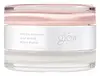 Key Ingredients
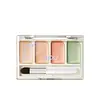
Benefits
Concerns
Ingredients Side-by-side
Caprylic/Capric Triglyceride
Masking


Titanium Dioxide
Cosmetic Colorant

Polyisobutene
Phytosteryl/Isostearyl/Cetyl/Stearyl/Behenyl Dimer Dilinoleate
Skin Conditioning

Diisostearyl Malate
EmollientDipentaerythrityl Hexahydroxystearate/Hexastearate/Hexarosinate
Skin ConditioningIsodecyl Neopentanoate
EmollientSynthetic Wax
Abrasive

Mica
Cosmetic ColorantMethyl Methacrylate Crosspolymer

Tocopheryl Acetate
Antioxidant


Synthetic Fluorphlogopite
Microcrystalline Wax
Emulsion StabilisingBisabolol
Antioxidant


Aluminum Hydroxide
EmollientSorbitan Sesquioleate
Emulsifying
Tocopherol
Antioxidant

Polyglyceryl-6 Polyricinoleate
Emulsifying
Dimethicone
Emollient
Propylene Glycol Dicaprylate/Dicaprate
EmollientPolyhydroxystearic Acid
Emulsifying
Lecithin
Emollient
Isostearic Acid
Cleansing

Isopropyl Myristate
Emollient
Ethylhexyl Palmitate
Emollient
Polyglyceryl-3 Polyricinoleate
Emulsifying
Hydrogenated Castor Oil
Emollient
Dehydroacetic Acid
Preservative
CI 77491
Cosmetic ColorantCaprylic/Capric Triglyceride, Titanium Dioxide, Polyisobutene, Phytosteryl/Isostearyl/Cetyl/Stearyl/Behenyl Dimer Dilinoleate, Diisostearyl Malate, Dipentaerythrityl Hexahydroxystearate/Hexastearate/Hexarosinate, Isodecyl Neopentanoate, Synthetic Wax, Mica, Methyl Methacrylate Crosspolymer, Tocopheryl Acetate, Synthetic Fluorphlogopite, Microcrystalline Wax, Bisabolol, Aluminum Hydroxide, Sorbitan Sesquioleate, Tocopherol, Polyglyceryl-6 Polyricinoleate, Dimethicone, Propylene Glycol Dicaprylate/Dicaprate, Polyhydroxystearic Acid, Lecithin, Isostearic Acid, Isopropyl Myristate, Ethylhexyl Palmitate, Polyglyceryl-3 Polyricinoleate, Hydrogenated Castor Oil, Dehydroacetic Acid, CI 77491
Hydrogenated Polydecene
EmollientEthylhexyl Palmitate
Emollient
Silica
Abrasive
Mica
Cosmetic ColorantPolyisobutene
Ozokerite
Emulsion StabilisingDimethicone
Emollient
Polyethylene
Abrasive
Microcrystalline Wax
Emulsion StabilisingDimethicone Crosspolymer
Emulsion Stabilising
PEG-30 Dipolyhydroxystearate
Emulsifying
Phenoxyethanol
Preservative
Parfum
Masking

Ceramide EOP
Skin Conditioning
Ethylhexylglycerin
Skin ConditioningCentella Asiatica Extract
Cleansing
CI 77891
Cosmetic ColorantCI 77492
Cosmetic ColorantCI 77491
Cosmetic ColorantCI 19140
Cosmetic ColorantCI 77499
Cosmetic ColorantCI 42090
Cosmetic ColorantHydrogenated Polydecene, Ethylhexyl Palmitate, Silica, Mica, Polyisobutene, Ozokerite, Dimethicone, Polyethylene, Microcrystalline Wax, Dimethicone Crosspolymer, PEG-30 Dipolyhydroxystearate, Phenoxyethanol, Parfum, Ceramide EOP, Ethylhexylglycerin, Centella Asiatica Extract, CI 77891, CI 77492, CI 77491, CI 19140, CI 77499, CI 42090
Reviews
Ingredients Explained
These ingredients are found in both products.
Ingredients higher up in an ingredient list are typically present in a larger amount.
Ci 77491 is also hydrated iron III oxide. It's sole purpose is to give a red/pink hue to products.
Iron III oxides are classified as inorganic chemicals for coloring.
Synthetically created Ci 77491 is considered safer than those naturally found. This is because the synthetically created version may contain less impurities. Iron oxides are generally non-toxic and non-allergenic.
Learn more about CI 77491Dimethicone is a type of synthetic silicone created from natural materials such as quartz. It is also known as polydimethylsiloxane.
What it does:
Dimethicone comes in different viscosities:
Depending on the viscosity, dimethicone has different properties.
Ingredients lists don't always show which type is used, so we recommend reaching out to the brand if you have questions about the viscosity.
This ingredient is unlikely to cause irritation because it does not get absorbed into skin. However, people with silicone allergies should be careful about using this ingredient.
Note: Dimethicone may contribute to pilling. This is because it is not oil or water soluble, so pilling may occur when layered with products. When mixed with heavy oils in a formula, the outcome is also quite greasy.
Learn more about DimethiconeEthylhexyl Palmitate, also known as octyl palmitate, is created from 2-ethylhexyl alcohol and palmitic acid.
In cosmetics, it plays many roles:
One thing worth noting: a controlled study found this ingredient applied under occlusion to acne-prone subjects increased microcomedones. Just keep in mind this was under occlusive conditions and don't reflect how most products are used day-to-day.
For most people, this is a well-tolerated and lightweight ingredient.
This ingredient may not be fungal acne safe because it is an ester of palmitic acid, a C16 fatty acid that falls within the C11-24 range that Malassezia can metabolize.
You'll see this one rated 4 comedogenic all over the internet. That number isn't from a single study, and the actual research is more interesting.
The original rating comes from 1980s rabbit ear tests (which are a shaky basis for anything). But Ethylhexyl Palmitate is one of the few ingredients with real human data behind it. A 2021 controlled trial found this ingredient increased microcomedones by an average of 365% over four weeks.
Just know that test used the pure ingredient under an occlusive pad on back skin; most products use it at much lower levels alongside other ingredients and plenty of people use those with no issue.
Learn more about Ethylhexyl PalmitateMica is a naturally occurring mineral used to add shimmer and color in cosmetics. It can also help improve the texture of a product or give it an opaque, white/silver color.
Serecite is the name for very fine but ragged grains of mica.
This ingredient is often coated with metal oxides like titanium dioxide. Trace amounts of heavy metals may be found in mica, but these metals are not harmful in our personal products.
Mica has been used since prehistoric times throughout the world. Ancient Egyptian, Indian, Greek, Roman, Aztec, and Chinese civilizations have used mica.
Learn more about MicaMicrocrystalline Wax is derived from petroleum through a de-oiling process, then highly refined and purified before use in cosmetics.
In skincare formulations, it is used to improve texture and create a smooth, even consistency. It also helps stabilize products by preventing ingredients from separating.
Polyisobutene is a synthetic polymer made from isobutene.
It is a film-forming agent and helps bind ingredients together.
Polyisobutene is not absorbed by the skin.
Learn more about Polyisobutene

