

What's inside
What's inside
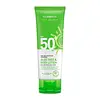 Key Ingredients
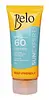
Benefits
Concerns
Ingredients Side-by-side
Water
Skin ConditioningDibutyl Adipate
EmollientEthylhexyl Salicylate
UV Absorber


Ethylhexyl Triazone
UV Absorber
Diethylamino Hydroxybenzoyl Hexyl Benzoate
UV Filter
Propylene Glycol
Humectant

Potassium Cetyl Phosphate
EmulsifyingPhenylbenzimidazole Sulfonic Acid
UV Absorber
Cetearyl Alcohol
Emollient



Bis-Ethylhexyloxyphenol Methoxyphenyl Triazine
Skin Conditioning
Sodium Polyacrylate
Absorbent
Triethanolamine
BufferingCellulose
AbsorbentPhenoxyethanol
Preservative
Polyester-7
Skin ConditioningTitanium Dioxide
Cosmetic Colorant
Poly C10-30 Alkyl Acrylate
Emulsion StabilisingParfum
Masking
Neopentyl Glycol Diheptanoate
EmollientCeteareth-20
Cleansing
Potassium Hydroxide
BufferingChlorphenesin
Antimicrobial
Xanthan Gum
EmulsifyingDisodium EDTA
Dimethicone
Emollient
Aluminum Hydroxide
EmollientAloe Barbadensis Leaf Juice
Skin Conditioning

Cocos Nucifera Oil
Masking
Tocopheryl Acetate
Antioxidant

Isomalt
HumectantStearic Acid
Cleansing
1,2-Hexanediol
Skin Conditioning
Biosaccharide Gum-4
Skin Conditioning
Melanin
Skin ProtectingMalus Domestica Fruit Cell Culture Extract
Skin ConditioningPentylene Glycol
Skin ConditioningLecithin
Emollient
Vitis Vinifera Fruit Cell Extract
Skin ConditioningGlycerin
Humectant


Sodium Benzoate
Masking
Ethylhexylglycerin
Skin ConditioningAlpha-Isomethyl Ionone
Perfuming

Citronellol
Perfuming
Coumarin
Perfuming
Geraniol
Perfuming
Hexyl Cinnamal
Perfuming
Limonene
Perfuming
Linalool
Perfuming
Water, Dibutyl Adipate, Ethylhexyl Salicylate, Ethylhexyl Triazone, Diethylamino Hydroxybenzoyl Hexyl Benzoate, Propylene Glycol, Potassium Cetyl Phosphate, Phenylbenzimidazole Sulfonic Acid, Cetearyl Alcohol, Bis-Ethylhexyloxyphenol Methoxyphenyl Triazine, Sodium Polyacrylate, Triethanolamine, Cellulose, Phenoxyethanol, Polyester-7, Titanium Dioxide, Poly C10-30 Alkyl Acrylate, Parfum, Neopentyl Glycol Diheptanoate, Ceteareth-20, Potassium Hydroxide, Chlorphenesin, Xanthan Gum, Disodium EDTA, Dimethicone, Aluminum Hydroxide, Aloe Barbadensis Leaf Juice, Cocos Nucifera Oil, Tocopheryl Acetate, Isomalt, Stearic Acid, 1,2-Hexanediol, Biosaccharide Gum-4, Melanin, Malus Domestica Fruit Cell Culture Extract, Pentylene Glycol, Lecithin, Vitis Vinifera Fruit Cell Extract, Glycerin, Sodium Benzoate, Ethylhexylglycerin, Alpha-Isomethyl Ionone, Citronellol, Coumarin, Geraniol, Hexyl Cinnamal, Limonene, Linalool
Water
Skin ConditioningCyclotetrasiloxane
Emollient
Cyclopentasiloxane
Emollient
Titanium Dioxide
Cosmetic Colorant
Aluminum Hydroxide
EmollientSilica
Abrasive
Hydrogen Dimethicone
Lauryl PEG-9 Polydimethylsiloxyethyl Dimethicone
Skin Conditioning
Zinc Oxide
Cosmetic Colorant
Dimethicone/Methicone Copolymer
PEG-10 Dimethicone
Skin Conditioning
Cetyl Alcohol
Emollient
Tris-Biphenyl Triazine
UV Absorber
Glyceryl Stearate
Emollient
Ceteareth-20
Cleansing
Ceteareth-12
EmulsifyingCetearyl Alcohol
Emollient
Cetyl Palmitate
Emollient
Ethylhexyl Triazone
UV Absorber
Propylheptyl Caprylate
EmollientC12-15 Alkyl Benzoate
AntimicrobialHydrolyzed Wheat Protein/Pvp Crosspolymer
Benzyl Alcohol
Perfuming

Glyceryl Caprylate
EmollientGlyceryl Undecylenate
Emollient
Butyrospermum Parkii Oil
Emollient
Sorbitan Palmitate
Emulsifying
Sorbitan Olivate
Emulsifying
Citric Acid
Buffering



Tetrasodium EDTA
Bisabolol
Masking
Benzylidene Dimethoxydimethylindanone
Skin ProtectingWater, Cyclotetrasiloxane, Cyclopentasiloxane, Titanium Dioxide, Aluminum Hydroxide, Silica, Hydrogen Dimethicone, Lauryl PEG-9 Polydimethylsiloxyethyl Dimethicone, Zinc Oxide, Dimethicone/Methicone Copolymer, PEG-10 Dimethicone, Cetyl Alcohol, Tris-Biphenyl Triazine, Glyceryl Stearate, Ceteareth-20, Ceteareth-12, Cetearyl Alcohol, Cetyl Palmitate, Ethylhexyl Triazone, Propylheptyl Caprylate, C12-15 Alkyl Benzoate, Hydrolyzed Wheat Protein/Pvp Crosspolymer, Benzyl Alcohol, Glyceryl Caprylate, Glyceryl Undecylenate, Butyrospermum Parkii Oil, Sorbitan Palmitate, Sorbitan Olivate, Citric Acid, Tetrasodium EDTA, Bisabolol, Benzylidene Dimethoxydimethylindanone
Reviews
Ingredients Explained
These ingredients are found in both products.
Ingredients higher up in an ingredient list are typically present in a larger amount.
Aluminum Hydroxide is a form of aluminum. It can be naturally found in nature as the mineral gibbsite. In cosmetics, Aluminum Hydroxide is used as a colorant, pH adjuster, and absorbent.
As a colorant, Aluminum Hydroxide may add opacity, or reduce the transparency. Aluminum hydroxide is contains both basic and acidic properties.
According to manufacturers, this ingredient is an emollient and humectant. This means it helps hydrate the skin.
In medicine, this ingredient is used to help relieve heartburn and help heal ulcers.
There is currently no credible scientific evidence linking aluminum hydroxide in cosmetics to increased cancer risk.
Major health organizations allow the use of aluminum hydroxide in personal care products and have not flagged it as a carcinogenic risk at typical usage levels.
Learn more about Aluminum HydroxideCeteareth-20 is an emulsifier and cleansing agent. It is derived from cetearyl alcohol, a fatty alcohol.
As an emulsifier, Ceteareth-20 prevents oil and water from separating. It is also a surfactant. Surfactants help gather oil, pollution, and dirt to be washed away.
Cetearyl alcohol is a mixture of two fatty alcohols: cetyl alcohol and stearyl alcohol. It is mainly used as an emulsifier. Emulsifiers help prevent the separation of oils and products. Due to its composition, it can also be used to thicken a product or help create foam.
Cetearyl alcohol is an emollient. Emollients help soothe and hydrate the skin by trapping moisture.
Studies show Cetearyl alcohol is non-toxic and non-irritating. The FDA allows products labeled "alcohol-free" to have fatty alcohols.
This ingredient is usually derived from plant oils such as palm, vegetable, or coconut oils. There is debate on whether this ingredient will cause acne.
Due to the fatty acid base, this ingredient may not be Malassezia folliculitis safe.
Learn more about Cetearyl AlcoholEthylhexyl Triazone is a modern chemical sunscreen that protects from UV-B radiation.
It is the most effective of existing UV-B filters, as it provides the highest level of photo-stable absorption. It protects from the entire UV-B range (280 to 320nm), with it's highest level of protection at 314nm.
Ethylhexyl Triazone is oil soluble, oderless and colorless, which mean it is able to be incorporated into a variety of different formulations.
It is not currently available within the United States due to slow changing FDA regulations. Outside of the US, it is used in formulations at concentrations up to 5%.
Learn more about Ethylhexyl TriazoneTitanium dioxide is a mineral UV filter widely used in sunscreens and cosmetics.
It is one of only two UV filters officially classified as “mineral” by regulatory agencies, the other being zinc oxide.
Titanium dioxide provides broad-spectrum protection mostly in the UVB and UVAII range, with some protection in the UVAI range.
While its UVA protection isn’t as strong as zinc oxide’s, the difference is minor.
A common myth is that mineral UV filters reflect UV light. However, modern research shows titanium dioxide absorbs UV radiation like chemical filters (~95% absorption & 5% reflection).
Thanks to its non-irritating nature, titanium dioxide is suitable for sensitive, acne-prone, or redness-prone skin. It is unlikely to cause "eye sting" like other sunscreen ingredients.
A major drawback of this ingredient is its white cast and thick texture. This is why mineral sunscreens often leave a white cast and are less cosmetically elegant than chemical/hybrid sunscreens.
To improve white cast and spreadability, micronized or nano-sized titanium dioxide is often used.
There are ongoing concerns surrounding nano-titanium oxide's impact on marine ecosystems.
There is no conclusive evidence that any form of titanium oxide (or any other sunscreen ingredients) will cause harm to marine ecosystems or coral reefs. The science is still developing but many consumers are keeping a close eye on this issue.
Please note, many destinations have reef-safety sunscreen rules. For instance, the U.S. Virgin Islands advises all visitors to use non-nano mineral sunscreens.
Nano mineral sunscreens once raised safety concerns about absorption into skin.
Extensive research has shown that they do not penetrate healthy or damaged skin; they remain safely on the surface and the top layer of dead skin (stratum corneum).
You'll likely find titanium dioxide bundled with alumina, silica, or dimethicone. These ingredients help make titanium dioxide highly photostable; this prevents it from interacting with other formula components under UV light.
Learn more about Titanium DioxideWater. It's the most common cosmetic ingredient of all. You'll usually see it at the top of ingredient lists, meaning that it makes up the largest part of the product.
So why is it so popular? Water most often acts as a solvent - this means that it helps dissolve other ingredients into the formulation.
You'll also recognize water as that liquid we all need to stay alive. If you see this, drink a glass of water. Stay hydrated!
Learn more about Water
