

What's inside
What's inside
 Key Ingredients
Benefits
Concerns
No concerns
Ingredients Side-by-side
Water
Skin ConditioningTrisiloxane
Skin Conditioning
Glycerin
Humectant


Triheptanoin
Skin ConditioningButylene Glycol
Humectant
Trehalose
Humectant
Biosaccharide Gum-1
Humectant
Ammonium Acryloyldimethyltaurate/Vp Copolymer
Dimethicone
Emollient
Saccharide Isomerate
Humectant
Bisabolol
Antioxidant

Phenoxyethanol
Preservative
Beta-Glucan
Skin Conditioning
Sodium Hyaluronate
Humectant
Hydrolyzed Hyaluronic Acid
Humectant
Hyaluronic Acid
Humectant
Hydrolyzed Sodium Hyaluronate
Skin Conditioning
Hydroxypropyltrimonium Hyaluronate
Potassium Hyaluronate
Skin ConditioningSodium Acetylated Hyaluronate
Humectant
Sodium Hyaluronate Crosspolymer
Humectant
C12-13 Alkyl Glyceryl Hydrolyzed Hyaluronate
Brassica Campestris Seed Oil
Skin Conditioning

Pentylene Glycol
Skin Conditioning
Carbomer
Emulsion StabilisingPolyglyceryl-3 Methylglucose Distearate
Emulsifying
Dimethicone/Vinyl Dimethicone Crosspolymer
Skin Conditioning
Glycereth-20
HumectantDisodium EDTA
Polysorbate 20
Emulsifying
Amodimethicone
Chlorphenesin
Antimicrobial
Sodium Hydroxide
BufferingSilica
Abrasive


Tocopheryl Acetate
Antioxidant

Potassium Hydroxide
BufferingParfum
Masking



Rose Extract
Skin ConditioningPropanediol
Solvent
Citric Acid
Buffering
Sodium Citrate
BufferingCaprylyl Glycol
Emollient
PEG-32
HumectantEthylhexylglycerin
Skin ConditioningDiazolidinyl Urea
Preservative
Tocopherol
Antioxidant
Trideceth-9
EmulsifyingPEG-40 Hydrogenated Castor Oil
Emulsifying
CI 19140
Cosmetic ColorantCI 17200
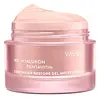
Cosmetic ColorantWater, Trisiloxane, Glycerin, Triheptanoin, Butylene Glycol, Trehalose, Biosaccharide Gum-1, Ammonium Acryloyldimethyltaurate/Vp Copolymer, Dimethicone, Saccharide Isomerate, Bisabolol, Phenoxyethanol, Beta-Glucan, Sodium Hyaluronate, Hydrolyzed Hyaluronic Acid, Hyaluronic Acid, Hydrolyzed Sodium Hyaluronate, Hydroxypropyltrimonium Hyaluronate, Potassium Hyaluronate, Sodium Acetylated Hyaluronate, Sodium Hyaluronate Crosspolymer, C12-13 Alkyl Glyceryl Hydrolyzed Hyaluronate, Brassica Campestris Seed Oil, Pentylene Glycol, Carbomer, Polyglyceryl-3 Methylglucose Distearate, Dimethicone/Vinyl Dimethicone Crosspolymer, Glycereth-20, Disodium EDTA, Polysorbate 20, Amodimethicone, Chlorphenesin, Sodium Hydroxide, Silica, Tocopheryl Acetate, Potassium Hydroxide, Parfum, Rose Extract, Propanediol, Citric Acid, Sodium Citrate, Caprylyl Glycol, PEG-32, Ethylhexylglycerin, Diazolidinyl Urea, Tocopherol, Trideceth-9, PEG-40 Hydrogenated Castor Oil, CI 19140, CI 17200
Water
Skin ConditioningNiacinamide
Smoothing


Glycerin
Humectant
Betaine
Humectant
Butylene Glycol
Humectant
Biosaccharide Gum-1
Humectant
Dimethicone
Emollient
Cyclopentasiloxane
Emollient
Carbomer
Emulsion StabilisingCyclohexasiloxane
Emollient
Bisabolol
Antioxidant
Aminomethyl Propanol
BufferingSodium Polyacrylate
Absorbent
Xanthan Gum
EmulsifyingDisodium EDTA
Sodium Hyaluronate
Humectant
Diethylhexyl Syringylidenemalonate
Skin ProtectingTrideceth-6
EmulsifyingPEG/PPG-18/18 Dimethicone
Emulsifying
Alpha-Glucan Oligosaccharide
Cleansing
Caprylic/Capric Triglyceride
Masking
Polymnia Sonchifolia Root Juice
Skin ConditioningMaltodextrin
Absorbent
Aspergillus Ferment
Skin ConditioningZingiber Officinale Root Extract
Masking
Lactobacillus
Skin ConditioningPhenoxyethanol
Preservative
Chlorphenesin
Antimicrobial
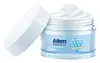
Water, Niacinamide, Glycerin, Betaine, Butylene Glycol, Biosaccharide Gum-1, Dimethicone, Cyclopentasiloxane, Carbomer, Cyclohexasiloxane, Bisabolol, Aminomethyl Propanol, Sodium Polyacrylate, Xanthan Gum, Disodium EDTA, Sodium Hyaluronate, Diethylhexyl Syringylidenemalonate, Trideceth-6, PEG/PPG-18/18 Dimethicone, Alpha-Glucan Oligosaccharide, Caprylic/Capric Triglyceride, Polymnia Sonchifolia Root Juice, Maltodextrin, Aspergillus Ferment, Zingiber Officinale Root Extract, Lactobacillus, Phenoxyethanol, Chlorphenesin
Reviews
Ingredients Explained
These ingredients are found in both products.
Ingredients higher up in an ingredient list are typically present in a larger amount.
Biosaccharide Gum-1 is a sugar created by fermenting sorbitol (which usually comes from potato starch!). It is known for its soothing and moisturizing properties.
Manufacturer tests show this ingredient helped reduce irritation from lactic acid by almost half and kept skin hydrated long-term as a humectant
Beyond hydration, Biosaccharide Gum-1 gives formulas a silky, non-sticky feel.
This ingredient is gentle, versatile, and suitable for all skin types.
Fun fact: Similar sugars can be found naturally in fruits like apples and pears.
Learn more about Biosaccharide Gum-1Bisabolol is a gentle skin conditioner, antioxidant, and soothing ingredient.
It's primary claim to fame is soothing and research shows topically applied bisabolol can quiet the chemical messengers that cause your skin to become inflamed, helping to sooth any irritation.
A clinical study found that applying 0.5% bisabolol daily for 8 weeks produced an average 9% decrease in skin pigmentation. Researchers found it can also suppress the process that leads to excess melanin production in skin.
In vitro studies found that bisabolol combined with propylene glycol significantly increased skin permeability by increasing lipid fluidity in the stratum corneum.
You'll likely see use concentrations quite low, usually 0.1-0.2%.
Overall, this is a well-tolerated ingredient that works well in formulas designed for sensitive, reactive, or post-procedure skin.
Learn more about BisabololButylene Glycol (or BG) is used within cosmetic products for a few different reasons:
Overall, Butylene Glycol is a safe and well-rounded ingredient that works well with other ingredients.
Though this ingredient works well with most skin types, some people with sensitive skin may experience a reaction such as allergic rashes, closed comedones, or itchiness.
Learn more about Butylene GlycolCarbomer is a high-molecular weight polymer of acrylic acid. It is used to form gels and thicken formulas.
Due to its large molecular size, carbomer has minimal skin penetration and is considered an inert ingredient.
A high amount of carbomer can cause pilling or balling up of products. Don't worry, most products contain 1% or less of carbomer.
Learn more about CarbomerChlorphenesin is a synthetic preservative. It helps protect a product against bacteria in order to extend shelf life. In most cases, Chlorphenesin is paired with other preservatives such as phenoxyethanol and caprylyl glycol.
Chlorphenesin is a biocide. This means it is able to help fight the microorganisms on our skin. It is also able to fight odor-releasing bacteria.
Chlorphenesin is soluble in both water and glycerin.
Studies show Chlorphenesin is easily absorbed by our skin. You should speak with a skincare professional if you have concerns about using Chlorphenesin.
Learn more about ChlorphenesinDimethicone is a type of synthetic silicone created from natural materials such as quartz. It is also known as polydimethylsiloxane.
What it does:
Dimethicone comes in different viscosities:
Depending on the viscosity, dimethicone has different properties.
Ingredients lists don't always show which type is used, so we recommend reaching out to the brand if you have questions about the viscosity.
This ingredient is unlikely to cause irritation because it does not get absorbed into skin. However, people with silicone allergies should be careful about using this ingredient.
Note: Dimethicone may contribute to pilling. This is because it is not oil or water soluble, so pilling may occur when layered with products. When mixed with heavy oils in a formula, the outcome is also quite greasy.
Learn more about DimethiconeDisodium EDTA is a chelating agent. It grabs onto and deactivates metal ions that sneak into your products from water, packaging, or air.
This ingredient mainly works behind the scenes and helps with:
On top of that, this ingredient can counteract the effects of hard water by binding to the minerals in it.
One thing worth knowing is that Disodium EDTA has been shown to be a mild penetration enhancer. It can help other ingredients absorb into skin more effectively which can be a double-edged sword (great for actives, but can also make the active too strong if you have sensitive skin).
Clinical patch testing showed no significant skin irritation at typical use concentrations and minimal dermal absorption.
You'll most likely see this ingredient near the end of an ingredient list. It's typically found in concentrations less than 1%.
Learn more about Disodium EDTAGlycerin (or glycerol) is a compound naturally found in your skin. It's a powerhouse humectant that pulls water into the stratum corneum.
Topically, glycerin does several things at once:
Your skin makes glycerin on its own (mostly from sebaceous oil breakdown) and shuttles it to your outermost layer of skin, or your epidermis, via aquaporin-3.
Aquaporin-3 is a transporter that is essential for normal skin hydration, elasticity, and repair. Interestingly, mice lacking in AQP3 have dry and less elastic skin that can be fully corrected with glycerin.
This ingredient is non-irritating, plays well with almost every ingredient, and works across all skin types. Typical use is anywhere between 3-10% but can go up to 79% in some leave-on products.
Just know very high concentrations (>40%) can feel tacky in low humidity.
Glycerin is the name for this ingredient in American English. British English uses Glycerol/Glycerine.
Learn more about GlycerinPhenoxyethanol is a preservative that has germicide, antimicrobial, and aromatic properties. Studies show that phenoxyethanol can prevent microbial growth. By itself, it has a scent that is similar to that of a rose.
It's often used in formulations along with Caprylyl Glycol to preserve the shelf life of products.
Sodium Hyaluronate is the salt form of hyaluronic acid. It is a long sugar chain that is naturally found in your skin, joints, and connective tissue that maintains hydration and elasticity.
In skincare, it works as a humectant. It pulls water from the environment and deeper layers of skin and binds it to the surface.
Interestingly, the size of the molecule affects its behavior:
Some clinical evidence links low molecular weight versions to improved wrinkle depth, elasticity, anti-inflammatory effects, and barrier repair.
Many serums use a blend of both weights so you can get surface hydration plus longer-lasting and deeper effects.
You'll typically see concentrations between 0.1-2% for this ingredient.
Learn more about Sodium HyaluronateWater. It's the most common cosmetic ingredient of all. You'll usually see it at the top of ingredient lists, meaning that it makes up the largest part of the product.
So why is it so popular? Water most often acts as a solvent - this means that it helps dissolve other ingredients into the formulation.
You'll also recognize water as that liquid we all need to stay alive. If you see this, drink a glass of water. Remember to stay hydrated!
Learn more about Water
