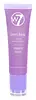
This barrier-repair lip moisturizer is formulated around Petrolatum and Butyrospermum Parkii Butter to strengthen the lip barrier and hydrate lips.
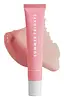
This barrier-repair lip moisturizer is formulated around Butyrospermum Parkii Butter and Sodium Hyaluronate to strengthen the lip barrier and hydrate lips.


What's inside
What's inside
 Key Ingredients
Benefits
Concerns
Ingredients Side-by-side
Paraffinum Liquidum
Emollient


Petrolatum
Emollient
Hydrogenated Polyisobutene
EmollientEthylhexyl Palmitate
Emollient



Microcrystalline Wax
Emulsion StabilisingHydrogenated Styrene/Isoprene Copolymer
Water
Skin ConditioningOzokerite
Emulsion StabilisingButyrospermum Parkii Butter
Skin Conditioning
Parfum
Masking

Octyldodecanol
Emollient
Pentaerythrityl Tetra-Di-T-Butyl Hydroxyhydrocinnamate
Antioxidant
Propylene Glycol
Humectant
Vaccinium Angustifolium Fruit Extract
Skin Protecting
Polyhydroxystearic Acid
Emulsifying
Stearic Acid
Cleansing
Magnesium Hydroxide
AbsorbentAluminum Hydroxide
EmollientSorbitan Oleate
Emulsifying
Phenoxyethanol
Preservative
Ethylhexylglycerin
Skin ConditioningBenzyl Benzoate
Antimicrobial
Linalool
Perfuming
CI 15850
Cosmetic ColorantCI 42090
Cosmetic ColorantParaffinum Liquidum, Petrolatum, Hydrogenated Polyisobutene, Ethylhexyl Palmitate, Microcrystalline Wax, Hydrogenated Styrene/Isoprene Copolymer, Water, Ozokerite, Butyrospermum Parkii Butter, Parfum, Octyldodecanol, Pentaerythrityl Tetra-Di-T-Butyl Hydroxyhydrocinnamate, Propylene Glycol, Vaccinium Angustifolium Fruit Extract, Polyhydroxystearic Acid, Stearic Acid, Magnesium Hydroxide, Aluminum Hydroxide, Sorbitan Oleate, Phenoxyethanol, Ethylhexylglycerin, Benzyl Benzoate, Linalool, CI 15850, CI 42090
Phytosteryl/Isostearyl/Cetyl/Stearyl/Behenyl Dimer Dilinoleate
Skin Conditioning
Diisostearyl Malate
EmollientHydrogenated Polyisobutene
EmollientPolybutene
Hydrogenated Poly(C6-14 Olefin)
EmollientButyrospermum Parkii Butter
Skin Conditioning
Cera Microcristallina
Emulsion StabilisingOctyldodecanol
Emollient
Synthetic Wax
Abrasive
Disteardimonium Hectorite
StabilisingAstrocaryum Murumuru Seed Butter
Emollient
Sodium Hyaluronate
Humectant


Tocopherol
Antioxidant


Propylene Carbonate
SolventPolyglyceryl-2 Diisostearate
Emulsifying
Aluminum Hydroxide
EmollientParfum
Masking
Mica
Cosmetic ColorantBHT
Antioxidant
Benzyl Alcohol
Perfuming
Benzyl Benzoate
Antimicrobial
CI 15850
Cosmetic ColorantCI 45410
Cosmetic ColorantCI 77891
Cosmetic ColorantPhytosteryl/Isostearyl/Cetyl/Stearyl/Behenyl Dimer Dilinoleate, Diisostearyl Malate, Hydrogenated Polyisobutene, Polybutene, Hydrogenated Poly(C6-14 Olefin), Butyrospermum Parkii Butter, Cera Microcristallina, Octyldodecanol, Synthetic Wax, Disteardimonium Hectorite, Astrocaryum Murumuru Seed Butter, Sodium Hyaluronate, Tocopherol, Propylene Carbonate, Polyglyceryl-2 Diisostearate, Aluminum Hydroxide, Parfum, Mica, BHT, Benzyl Alcohol, Benzyl Benzoate, CI 15850, CI 45410, CI 77891
Reviews
Ingredients Explained
These ingredients are found in both products.
Ingredients higher up in an ingredient list are typically present in a larger amount.
Aluminum Hydroxide is a form of aluminum. It can be naturally found in nature as the mineral gibbsite. In cosmetics, Aluminum Hydroxide is used as a colorant, pH adjuster, and absorbent.
As a colorant, Aluminum Hydroxide may add opacity, or reduce the transparency. Aluminum hydroxide is contains both basic and acidic properties.
According to manufacturers, this ingredient is an emollient and humectant. This means it helps hydrate the skin.
In medicine, this ingredient is used to help relieve heartburn and help heal ulcers.
There is currently no credible scientific evidence linking aluminum hydroxide in cosmetics to increased cancer risk.
Major health organizations allow the use of aluminum hydroxide in personal care products and have not flagged it as a carcinogenic risk at typical usage levels.
Learn more about Aluminum HydroxideBenzyl Benzoate is usually created from the condensation of benzoic acid and benzyl alcohol. It is used as a preservative, solvent, and has a floral/balsamic scent in large amounts.
As a preservative, Benzyl Benzoate works against bacteria and fungus. It is often used to treat scabies and lice in medicine.
Solvents are used to keep ingredients together in a product. They can help dissolve ingredients to stable bases or help evenly distribute ingredients throughout the product.
Due to its fragrance, Benzyl Benzoate can be sensitizing and may cause contact dermatitis. It is a known EU allergen. We recommend speaking with a professional if you have any concerns.
Benzyl Benzoate can be naturally found in cranberries and peaches.
Learn more about Benzyl BenzoateThis ingredient is also known as shea butter. It is a plant-derived extract from the nuts of the Africa shea tree and one of the most well-studied emollients.
Because it has a high concentration of fatty acids (primarily oleic, stearic, and linoleic) it is able to form a protective barrier on the skin's surface. This helps seal in moisture and prevents transepidermal water loss (TEWL).
In vitro research found an increase in skin hydration by 58% and a decrease in TEWL by 37.8% after 24 hours of applying this ingredient (pretty impressive for a single ingredient!).
Besides hydration, shea butter also contains triterpenes that have anti-inflammatory potential. In particule, lupeol cinnamate has shown the highest anti-inflammatory activity in vivo.
Shea butter also contains vitamins A and E which may contribute to antioxidant activity.
While Shea Butter has an SPF rating of about 3-4, it is not a sunscreen replacement.
This ingredient may not be fungal acne safe because its fatty acids fall within the C11-C24 range that the Malassezia yeast can metabolize.
This ingredient shows up on a lot of "pore-clogging" lists but there's no real evidence behind that. It doesn't even have a comedogenic rating from an actual study; the numbers you'll find online come from blogs citing other blogs.
Ratings for other ingredients mostly come from a 1980s rabbit ear test. This test doesn't translate well to human skin or to real products because the ingredient sits at a much lower percentage.
Some people still find it breaks them out. So if that's you, definitely trust your skin. Just know this one's based on experience and not evidence.
Learn more about Butyrospermum Parkii ButterCi 15850 is the pigment color red. It is an azo dye and created synthetically.
Azo dyes need to be thoroughly purified before use. This allows them to be more stable and longer-lasting.
This ingredient is common in foundations, lipsticks, and blushes. This color is described as brown/orangey red.
It has many secondary names such as Red 6 and Red 7. According to a manufacturer, Red 6 usually contains aluminum.
Learn more about CI 15850Hydrogenated Polyisobutene is a synthetic polymer. Polymers are compounds with high molecular weight. Hydrogenated Polyisobutene is an emollient and texture enhancer.
In one study, Hydrogenated Polyisobutene showed better skin hydration levels than Caprylic/Capric Triglyceride. As an emollient, it helps keep your skin soft and hydrated by trapping moisture in.
Hydrogenated Polyisobutene is often used as a mineral oil replacement.
Learn more about Hydrogenated PolyisobuteneOctyldodecanol is a fatty alcohol sourced from plant oils like coconut or palm (or made synthetically).
It is:
You'll likely see this in many BHA products because this is the go-to solvent for salicylic acid.
This ingredient is typically used at levels between 2-20%.
Regarding fungal acne:
In 2019, this ingredient was tested against multiple Malassezia species (the yeast that causes fungal acne) and showed no growth.
Parfum is a catch-all term for an ingredient or more that is used to give a scent to products.
Also called "fragrance", this ingredient can be a blend of hundreds of chemicals or plant oils. This means every product with "fragrance" or "parfum" in the ingredients list is a different mixture.
For instance, Habanolide is a proprietary trade name for a specific aroma chemical. When used as a fragrance ingredient in cosmetics, most aroma chemicals fall under the broad labeling category of “FRAGRANCE” or “PARFUM” according to EU and US regulations.
The term 'parfum' or 'fragrance' is not regulated in many countries. In many cases, it is up to the brand to define this term.
For instance, many brands choose to label themselves as "fragrance-free" because they are not using synthetic fragrances. However, their products may still contain ingredients such as essential oils that are considered a fragrance by INCI standards.
One example is Calendula flower extract. Calendula is an essential oil that still imparts a scent or 'fragrance'.
Depending on the blend, the ingredients in the mixture can cause allergies and sensitivities on the skin. Some ingredients that are known EU allergens include linalool and citronellol.
Parfum can also be used to mask or cover an unpleasant scent.
The bottom line is: not all fragrances/parfum/ingredients are created equally. If you are worried about fragrances, we recommend taking a closer look at an ingredient. And of course, we always recommend speaking with a professional.
Learn more about Parfum

