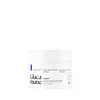
This barrier-repair moisturizer is formulated around Beta-Glucan and Panthenol to strengthen the skin barrier and hydrate skin.
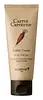
This calming moisturizer is formulated around Daucus Carota Sativa Root Extract and Beta-Glucan to calm redness and hydrate skin.

What's inside
What's inside
 Key Ingredients
No key ingredients
Benefits
Concerns
Ingredients Side-by-side
Water
Skin ConditioningButylene Glycol
Humectant

Propanediol
Solvent
Betaine
Humectant
Caprylic/Capric Triglyceride
Masking
1,2-Hexanediol
Skin Conditioning
Cetearyl Alcohol
Emollient





Stearic Acid
Cleansing
Cetearyl Olivate
Arginine
Masking
Carbomer
Emulsion StabilisingHydroxyacetophenone
Antioxidant
Sorbitan Olivate
Emulsifying
Vinyldimethicone

Xanthan Gum
EmulsifyingSodium Polyacrylate
Absorbent
Panthenol
Skin Conditioning
Ethylhexylglycerin
Skin ConditioningTremella Fuciformis Extract
Humectant
Disodium EDTA
ChelatingAllantoin
Skin Conditioning
Dipropylene Glycol
HumectantArachidic Acid
Cleansing
Palmitic Acid
Emollient
Sodium Hyaluronate
Humectant

Malt Extract
Skin ProtectingGlycerin
Humectant
Oleic Acid
Emollient
Beta-Glucan
Skin Conditioning
Citric Acid
Buffering

Squalane
Emollient
Water, Butylene Glycol, Propanediol, Betaine, Caprylic/Capric Triglyceride, 1,2-Hexanediol, Cetearyl Alcohol, Stearic Acid, Cetearyl Olivate, Arginine, Carbomer, Hydroxyacetophenone, Sorbitan Olivate, Vinyldimethicone, Xanthan Gum, Sodium Polyacrylate, Panthenol, Ethylhexylglycerin, Tremella Fuciformis Extract, Disodium EDTA, Allantoin, Dipropylene Glycol, Arachidic Acid, Palmitic Acid, Sodium Hyaluronate, Malt Extract, Glycerin, Oleic Acid, Beta-Glucan, Citric Acid, Squalane
Water
Skin ConditioningDaucus Carota Sativa Root Extract
Skin Conditioning
Isohexadecane
EmollientPolyglyceryl-6 Stearate
Emollient
Dipropylene Glycol
HumectantPentylene Glycol
Skin Conditioning
Glycerin
Humectant
Butylene Glycol
Humectant
Cetyl Ethylhexanoate
EmollientCaprylic/Capric Triglyceride
Masking
Beta-Glucan
Skin Conditioning
Carbomer
Emulsion StabilisingPolyglyceryl-6 Behenate
Emulsion Stabilising
Daucus Carota Sativa Seed Oil
Emollient
Tromethamine
BufferingCetearyl Alcohol
Emollient
Undaria Pinnatifida Extract
Skin ConditioningMaltodextrin
Absorbent
Saccharide Hydrolysate
HumectantAllantoin
Skin Conditioning
Olea Europaea Fruit Oil
Masking
Pogostemon Cablin Leaf Oil
Masking

Lavandula Hybrida Oil
Emollient
Salvia Officinalis Oil
Masking
Artemisia Vulgaris Oil
Perfuming
Citrus Aurantium Dulcis Peel Oil
Masking
1,2-Hexanediol
Skin Conditioning
Ethylhexylglycerin
Skin ConditioningWater, Daucus Carota Sativa Root Extract, Isohexadecane, Polyglyceryl-6 Stearate, Dipropylene Glycol, Pentylene Glycol, Glycerin, Butylene Glycol, Cetyl Ethylhexanoate, Caprylic/Capric Triglyceride, Beta-Glucan, Carbomer, Polyglyceryl-6 Behenate, Daucus Carota Sativa Seed Oil, Tromethamine, Cetearyl Alcohol, Undaria Pinnatifida Extract, Maltodextrin, Saccharide Hydrolysate, Allantoin, Olea Europaea Fruit Oil, Pogostemon Cablin Leaf Oil, Lavandula Hybrida Oil, Salvia Officinalis Oil, Artemisia Vulgaris Oil, Citrus Aurantium Dulcis Peel Oil, 1,2-Hexanediol, Ethylhexylglycerin
Reviews
Ingredients Explained
These ingredients are found in both products.
Ingredients higher up in an ingredient list are typically present in a larger amount.
1,2-Hexanediol is a synthetic liquid and another multi-functional powerhouse.
It is a:
- Humectant, drawing moisture into the skin
- Emollient, helping to soften skin
- Solvent, dispersing and stabilizing formulas
- Preservative booster, enhancing the antimicrobial activity of other preservatives
Allantoin is a soothing ingredient known for its protective and moisturizing properties; it's basically a quiet workhorse ingredient you can find in a huge range of cosmetics.
Though it can be derived from the comfrey plant, allantoin is produced synthetically for cosmetic products to ensure purity.
Research shows it can encourage your skin cells to turn over and renew by stimulating keratinocyte and fibroblast proliferation.
It also has mild keratolytic properties to help loosen and shed dead skin cells without being harsh.
Studies also suggest allantoin can help calm inflammation by dialing down some of the chemical signals your skin sends out when it is irritated.
This ingredient is typically used in the 0.1-0.5% range, and the FDA recognizes it as a skin protectant in OTC products up to 2%.
Overall, allantoin is a wonderful addition to most routines; it is stable across a wide pH range (~4-8), works well with other ingredients, and is considered non-sensitizing/non-irritating.
Fun fact: Allantoin is naturally occurring in comfrey root, beets, chamomile, and wheat sprouts. Our bodies even produce it as a byproduct of uric acid metabolism.
Learn more about AllantoinBeta-Glucan is a soluble polysaccharide (a chain of glucose sugars) sourced from the cells walls of oats, baker's yeast, mushrooms, and seaweed.
It's a rare ingredient that pulls double-duty as a heavy-duty hydrator and skin-soothing repair agent.
On the surface, it acts as a humectant that holds water in place and reduces moisture loss for a plumper, smoother feel, while its anti-inflammatory and antioxidant properties make it a great pick for calming redness or sensitive skin
The more interesting story is underneath:
Despite its large molecular size, oat beta-glucan has been shown to penetrate the epidermis and reach the dermis by slipping between skin cells. Here, it interacts with fibroblasts and macrophages to nudge collagen synthesis and support wound repair.
A small 2005 split-face clinical study of 27 subjects found topical beta-glucan produced measurable reductions in wrinkle depth, height, and roughness after 8 weeks of use.
It is worth noting the trial was small and the penetration testing used frozen, irradiated skin so the anti-aging data is encouraging rather than definitive.
This ingredient gets along with pretty much everything and is typically used around 0.1-1%.
Fungal acne: This ingredient is not a food source for the Malassezia yeast because it is a glucose polysaccharide with no fatty acid or ester component.
Learn more about Beta-GlucanButylene Glycol (or BG) is used within cosmetic products for a few different reasons:
Overall, Butylene Glycol is a safe and well-rounded ingredient that works well with other ingredients.
Though this ingredient works well with most skin types, some people with sensitive skin may experience a reaction such as allergic rashes, closed comedones, or itchiness.
Learn more about Butylene GlycolCaprylic/Capric Triglyceride (aka MCT Oil) is a lightweight emollient, solvent, and texture enhancer. It is considered a skin-softener by helping to prevent moisture loss.
Though it behaves like an oil, it is not technically one due to its chemical composition. One perk of this ingredient is that it is very stable, resistant to oxidation, and unlikely to go rancid.
In practice, that translates to a long shelf life and a consistently elegant skin feel.
While there is an assumption Caprylic Triglyceride can clog pores due to it being derived from coconut oil, there is no research supporting this. Just patch test if you have concerns.
Fractionated coconut oil and MCT Oil are both listed as Caprylic/Capric Triglyceride according to INCI. This is because INCI names are based on the ingredient’s final chemical composition and not its marketing name or source.
This ingredient is treated as the gold standard fungal acne safe oil. Even though it is coconut derived, the problematic lauric acid is stripped out.
This leaves just caprylic (C8) and capric (C10) acid. These chain lengths actually trend antifungal; a 2020 study found caprylic acid was enough to disrupt Malassezia furfur cell membrane, with a caprylic acid derivative damaging membrane structures at concentrations as low as 0.2%.
Learn more about Caprylic/Capric TriglycerideCarbomer is a synthetic thickening and gelling agent. It's basically the ingredient that gives a lot of serums, gels, creams, and sunscreens their smooth, non-sticky texture.
Although legally permitted at very high levels, carbomers are normally used at concentrations below 1%.
It also needs to be neutralized to actually thicken, and because it is a large molecule, it doesn't really penetrate the skin barrier.
Allergy-wise, the risk is very low. Clinical studies show carbomers have low potential for skin irritation/sensitization even at concentrations up to 100%.
A 2024 UK study patch-tested 1,302 patients and found true allergy to the parent group of carbomer to be rare with no confirmed relevant reactions.
Learn more about CarbomerCetearyl alcohol is a waxy mixture of two fatty alcohols: cetyl alcohol and stearyl alcohol. It is an emollient and emulsifier.
Despite having "alcohol" in its name, it has nothing to do with drying solvent alcohols; the FDA also allows "alcohol-free" products to contain fatty alcohols like this ingredient.
It plays several roles in a formula:
Typical use levels for this ingredient sit around 1-10% and the Cosmetic Ingredient Review Expert Panel has affirmed safety at concentrations up to 25% in leave-on products.
Multiple assessments have found it to be non-irritating and non-sensitizing to most people.
However, there have been some cases of allergic contact dermatitis in patients with chronically compromised skin barriers.
Cetearyl alcohol has a comedogenic rating of 2 and irritancy rating of 1. Both of these numbers come from the 1989 study that used rabbit ears; a "2" means mildly comedogenic and a "1" means low irritancy.
Here's the catch: rabbit skin is more sensitive than human skin and throws a lot of false positives. A 1996 reappraisal found that ingredients rated 1-2 in the rabbit ear tests are generally safe for humans.
Remember comedogenic ratings are unable to assess the entire formula of a product or how it will react on your skin. Just be sure to patch test if you are unsure about certain ingredients.
This ingredient is not fungal acne safe. Cetearyl alcohol is a fatty alcohol with chain lengths that fall within the range that Malassezia can metabolize.
A 2019 study has also observed Malassezia growth in the presence of this ingredient, confirming it to be not-fungal acne safe.
Learn more about Cetearyl AlcoholDipropylene Glycol is a synthetically created humectant, stabilizer, and solvent.
This ingredient helps:
Dipropylene glycol is technically an alcohol, but it belongs to the glycol family (often considered part of the ‘good’ alcohols). This means it is hydrating and gentle on skin unlike drying solvent alcohols like denatured alcohol.
As a masking agent, Dipropylene Glycol can be used to cover the smell of other ingredients. However, it does not have a scent.
Studies show Dipropylene Glycol is considered safe to use in skincare.
Learn more about Dipropylene GlycolEthylhexylglycerin is created from glycerin. It is a multitasker ingredient that:
The CIR Expert Panel found minimal skin absorption or sensitization of any kind in a safety assessment. Though this ingredient is considered well-tolerated, a small number of cases of allergic dermatitis have been published since 2002. Just be sure to patch test if you are unsure.
Industry-reported use ranges from 8% in rinse-off products and 2% in leave-on formulations.
Learn more about EthylhexylglycerinGlycerin (or glycerol) is a compound naturally found in your skin. It's a powerhouse humectant that pulls water into the stratum corneum.
Topically, glycerin does several things at once:
Your skin makes glycerin on its own (mostly from sebaceous oil breakdown) and shuttles it to your outermost layer of skin, or your epidermis, via aquaporin-3.
Aquaporin-3 is a transporter that is essential for normal skin hydration, elasticity, and repair. Interestingly, mice lacking in AQP3 have dry and less elastic skin that can be fully corrected with glycerin.
This ingredient is non-irritating, plays well with almost every ingredient, and works across all skin types. Typical use is anywhere between 3-10% but can go up to 79% in some leave-on products.
Just know very high concentrations (>40%) can feel tacky in low humidity.
Glycerin is the name for this ingredient in American English. British English uses Glycerol/Glycerine.
Learn more about GlycerinWater. It's the most common cosmetic ingredient of all. You'll usually see it at the top of ingredient lists, meaning that it makes up the largest part of the product.
So why is it so popular? Water most often acts as a solvent - this means that it helps dissolve other ingredients into the formulation.
You'll also recognize water as that liquid we all need to stay alive. If you see this, drink a glass of water. Remember to stay hydrated!
Learn more about Water

