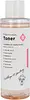
This smoothing toner is formulated around Glycolic Acid and Melaleuca Alternifolia Leaf Oil to refine skin texture and clear breakouts.
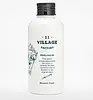
This hydrating toner is formulated around Polyquaternium-51 and Centella Asiatica Extract to hydrate skin and strengthen the skin barrier.

What's inside
What's inside
 Key Ingredients
Benefits
Concerns
Ingredients Side-by-side
Water
Skin ConditioningGlycerin
Humectant


Sodium Lactate
Buffering
1,2-Hexanediol
Skin Conditioning
Rosa Damascena Flower Water
Masking

PEG-40 Hydrogenated Castor Oil
Emulsifying


Glycolic Acid
Buffering









Butylene Glycol
Humectant
Ethylhexylglycerin
Skin ConditioningMelaleuca Alternifolia Leaf Oil
Antioxidant



Eclipta Prostrata Extract
Skin Conditioning
Coccinia Indica Fruit Extract
Skin Conditioning
Disodium EDTA
ChelatingCamellia Sinensis Leaf Extract
Antimicrobial
Glycyrrhiza Glabra Root Extract
Bleaching
Agrimonia Eupatoria Extract
AstringentPropanediol
Solvent
Perilla Frutescens Leaf Extract
MaskingLeontopodium Alpinum Callus Culture Extract
Antioxidant
Silybum Marianum Seed Extract
Skin ConditioningBenzyl Glycol
SolventHydrolyzed Glycosaminoglycans
HumectantSodium Hyaluronate
Humectant
Broussonetia Kazinoki Root Extract
Skin ConditioningPropolis Extract
Skin Conditioning
Hydrogenated Lecithin
Emulsifying
Cimicifuga Dahurica Root Extract
Antioxidant
Salix Alba Bark Extract
Astringent
Polyglyceryl-10 Stearate
Skin Conditioning
Panthenol
Skin Conditioning
Sodium Hyaluronate Crosspolymer
Humectant
Hydrolyzed Hyaluronic Acid
Humectant
Sodium Ascorbyl Phosphate
Antioxidant
Oenothera Biennis Flower Extract
AstringentHydroxypropyltrimonium Hyaluronate
Niacinamide
Smoothing
Folic Acid
Skin ConditioningHyaluronic Acid
Humectant
Biotin
AntiseborrhoeicPyridoxine
Skin ConditioningSodium Acetylated Hyaluronate
Humectant
Tocopherol
Antioxidant
Cyanocobalamin
Skin ConditioningLinoleic Acid
Cleansing
Thiamine Hcl
MaskingBeta-Carotene
Skin ConditioningRiboflavin
Cosmetic ColorantInositol
Humectant
Phenoxyethanol
Preservative
Water, Glycerin, Sodium Lactate, 1,2-Hexanediol, Rosa Damascena Flower Water, PEG-40 Hydrogenated Castor Oil, Glycolic Acid, Butylene Glycol, Ethylhexylglycerin, Melaleuca Alternifolia Leaf Oil, Eclipta Prostrata Extract, Coccinia Indica Fruit Extract, Disodium EDTA, Camellia Sinensis Leaf Extract, Glycyrrhiza Glabra Root Extract, Agrimonia Eupatoria Extract, Propanediol, Perilla Frutescens Leaf Extract, Leontopodium Alpinum Callus Culture Extract, Silybum Marianum Seed Extract, Benzyl Glycol, Hydrolyzed Glycosaminoglycans, Sodium Hyaluronate, Broussonetia Kazinoki Root Extract, Propolis Extract, Hydrogenated Lecithin, Cimicifuga Dahurica Root Extract, Salix Alba Bark Extract, Polyglyceryl-10 Stearate, Panthenol, Sodium Hyaluronate Crosspolymer, Hydrolyzed Hyaluronic Acid, Sodium Ascorbyl Phosphate, Oenothera Biennis Flower Extract, Hydroxypropyltrimonium Hyaluronate, Niacinamide, Folic Acid, Hyaluronic Acid, Biotin, Pyridoxine, Sodium Acetylated Hyaluronate, Tocopherol, Cyanocobalamin, Linoleic Acid, Thiamine Hcl, Beta-Carotene, Riboflavin, Inositol, Phenoxyethanol
Water
Skin ConditioningMethylpropanediol
SolventBetaine
Humectant
Pentylene Glycol
Skin Conditioning
Polyquaternium-51
Skin Conditioning
Glycerin
Humectant
PEG/PPG-17/6 Copolymer
SolventPEG-40 Hydrogenated Castor Oil
Emulsifying
Salvia Hispanica Seed Extract
Emollient
Centella Asiatica Extract
Cleansing
Houttuynia Cordata Extract
Skin Conditioning
Bifida Ferment Lysate
Skin Conditioning
Sodium Citrate
BufferingPropanediol
Solvent
Ethylhexylglycerin
Skin ConditioningCitric Acid
Buffering
Butylene Glycol
Humectant
Disodium EDTA
ChelatingCeramide AP
Skin Conditioning
1,2-Hexanediol
Skin Conditioning
Potassium Sorbate
Preservative
Harpagophytum Procumbens Root Extract
Skin ConditioningPhenoxyethanol
Preservative
Parfum
Masking
Water, Methylpropanediol, Betaine, Pentylene Glycol, Polyquaternium-51, Glycerin, PEG/PPG-17/6 Copolymer, PEG-40 Hydrogenated Castor Oil, Salvia Hispanica Seed Extract, Centella Asiatica Extract, Houttuynia Cordata Extract, Bifida Ferment Lysate, Sodium Citrate, Propanediol, Ethylhexylglycerin, Citric Acid, Butylene Glycol, Disodium EDTA, Ceramide AP, 1,2-Hexanediol, Potassium Sorbate, Harpagophytum Procumbens Root Extract, Phenoxyethanol, Parfum
Ingredients Explained
These ingredients are found in both products.
Ingredients higher up in an ingredient list are typically present in a larger amount.
1,2-Hexanediol is a synthetic liquid and another multi-functional powerhouse.
It is a:
- Humectant, drawing moisture into the skin
- Emollient, helping to soften skin
- Solvent, dispersing and stabilizing formulas
- Preservative booster, enhancing the antimicrobial activity of other preservatives
Butylene Glycol (or BG) is used within cosmetic products for a few different reasons:
Overall, Butylene Glycol is a safe and well-rounded ingredient that works well with other ingredients.
Though this ingredient works well with most skin types, some people with sensitive skin may experience a reaction such as allergic rashes, closed comedones, or itchiness.
Learn more about Butylene GlycolDisodium EDTA is a chelating agent. It grabs onto and deactivates metal ions that sneak into your products from water, packaging, or air.
This ingredient mainly works behind the scenes and helps with:
On top of that, this ingredient can counteract the effects of hard water by binding to the minerals in it.
One thing worth knowing is that Disodium EDTA has been shown to be a mild penetration enhancer. It can help other ingredients absorb into skin more effectively which can be a double-edged sword (great for actives, but can also make the active too strong if you have sensitive skin).
Clinical patch testing showed no significant skin irritation at typical use concentrations and minimal dermal absorption.
You'll most likely see this ingredient near the end of an ingredient list. It's typically found in concentrations less than 1%.
Learn more about Disodium EDTAEthylhexylglycerin is created from glycerin. It is a multitasker ingredient that:
The CIR Expert Panel found minimal skin absorption or sensitization of any kind in a safety assessment. Though this ingredient is considered well-tolerated, a small number of cases of allergic dermatitis have been published since 2002. Just be sure to patch test if you are unsure.
Industry-reported use ranges from 8% in rinse-off products and 2% in leave-on formulations.
Learn more about EthylhexylglycerinGlycerin (or glycerol) is a compound naturally found in your skin. It's a powerhouse humectant that pulls water into the stratum corneum.
Topically, glycerin does several things at once:
Your skin makes glycerin on its own (mostly from sebaceous oil breakdown) and shuttles it to your outermost layer of skin, or your epidermis, via aquaporin-3.
Aquaporin-3 is a transporter that is essential for normal skin hydration, elasticity, and repair. Interestingly, mice lacking in AQP3 have dry and less elastic skin that can be fully corrected with glycerin.
This ingredient is non-irritating, plays well with almost every ingredient, and works across all skin types. Typical use is anywhere between 3-10% but can go up to 79% in some leave-on products.
Just know very high concentrations (>40%) can feel tacky in low humidity.
Glycerin is the name for this ingredient in American English. British English uses Glycerol/Glycerine.
Learn more about GlycerinPEG-40 Hydrogenated Castor Oil is an emulsifier derived from castor oil.
As an emulsifying agent, it helps other ingredients like fragrances and fat-soluble vitamins dissolve cohesively.
Due to its large molecule size, it doesn't penetrate beyond the skin's surface.
This ingredient has a solid regulatory track record; the CIR Expert Panel first concluded it was safe for use in cosmetics at concentrations up to 100% in 1997. A 2012 reassessment reaffirmed that finding. Safety studies have also found no irritation or evidence of toxicity.
A 2019 study did find this ingredient to grow Malassezia, so this ingredient may not be fungal acne safe.
Learn more about PEG-40 Hydrogenated Castor OilPhenoxyethanol is one of the most widely used preservatives in skincare (and for good reason!).
It has a large spectrum of antimicrobial activity and especially effective bacteria, yeast, and mold while only having a weak effect on your skin's natural microbiome.
On a cellular level, it disrupts the cell membranes of microbes by poking holes that make the cell leak. This shuts down the chemical reactions the microbe needs to make energy so it can no longer survive.
Another perk of this ingredient is that it stays functional across a wide pH range (3-10).
You'll often see it paired with boosters like Ethylhexylglycerin; one study showed that a 1:9 ratio of Ethylhexylglycerin to Phenoxyethanol damages bacterial membranes as effectively as doubling the Phenoxyethanol concentration on its own.
Typical use concentrations range from 0.3-1% depending on the formula, and this ingredient is capped at 1% int the EU.
Safety-wise, the fear mongering does not hold up to the evidence. The EU's Scientific Committee on Consumer Safety and FDA consider it safe as a preservative at up to 1%, including for children of all ages.
Adverse systemic effects only showed up in animal studies at exposures roughly 200x higher than what people get from cosmetics. And despite its very widespread use, this ingredient is a rare sensitizer and allergic reactions are uncommon.
Learn more about PhenoxyethanolPropanediol is an all-star ingredient. It softens, hydrates, and smooths the skin.
It’s often used to:
Propanediol is not likely to cause sensitivity and considered safe to use. It is derived from corn or petroleum with a clear color and no scent.
Learn more about PropanediolWater. It's the most common cosmetic ingredient of all. You'll usually see it at the top of ingredient lists, meaning that it makes up the largest part of the product.
So why is it so popular? Water most often acts as a solvent - this means that it helps dissolve other ingredients into the formulation.
You'll also recognize water as that liquid we all need to stay alive. If you see this, drink a glass of water. Remember to stay hydrated!
Learn more about Water

